
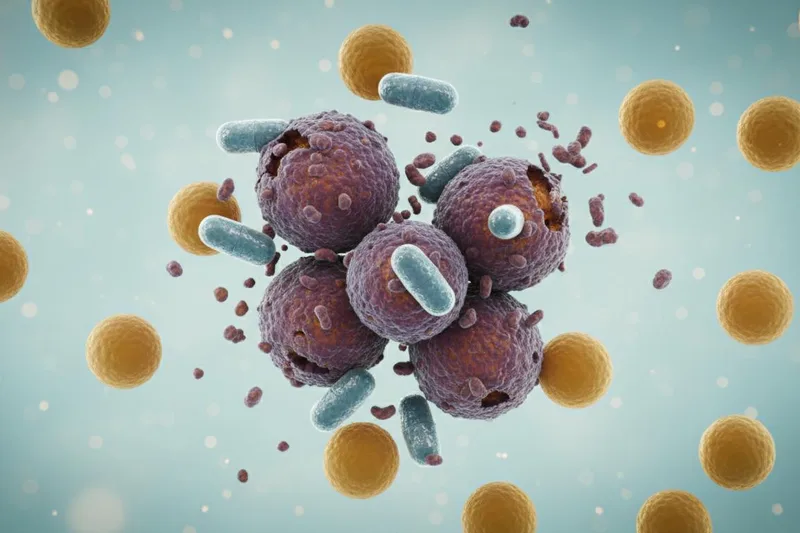
The word "chemotherapy" or "chemo" brings fear and anxiety to many of us. Perhaps you or a loved one have been told about this treatment by a doctor. Or maybe you are just curious to know more about it. Whatever the reason, the fear that comes to mind when you hear this name is justified. But in fact, chemotherapy is one of the most powerful and effective weapons we have in the fight against cancer. So today, let's put aside some of our fears and talk simply and honestly about what it really is, how it works, and why side effects occur.
What exactly is chemotherapy?
Simply put, chemotherapy is a type of medicine that is given to kill cancer cells or stop them from growing. These are very powerful drugs. They are called "chemo drugs."
To understand how this works, let's first take a look at the cells in our body. Our bodies are made up of billions of cells. Healthy cells divide when needed, make new cells, and die when they are no longer needed. This is a very orderly process. We call this the `Cell Cycle`.
But cancer cells are a different, more unpredictable bunch. They don't work in this order. They keep dividing and growing without control, but they don't die. This uncontrolled division is what forms tumors. These can also damage healthy tissue.
This is where chemotherapy comes in. The main target of chemotherapy is rapidly dividing cells. Since cancer cells are a type of cell that divides very quickly, chemotherapy goes straight to these cancer cells. It stops the division process of those cells and destroys them. That is, it stops new cancer cells from forming.
Is chemotherapy only used for cancer?
In most cases, yes. Chemotherapy is the main treatment for cancer. Your medical oncologist may recommend chemotherapy in addition to other treatments. For example:
- Surgery: Chemotherapy may be given to shrink a tumor before it is cut out and removed. Chemotherapy may also be given to kill any remaining cancer cells after surgery.
- Radiation Therapy: Giving radiation therapy along with chemotherapy can increase the success of the treatment.
- Other treatments: Sometimes it is given together with modern treatments like `Immunotherapy` or `Targeted Therapy`.
But there are cases where chemotherapy is used not only for cancer, but also for several other medical conditions.
- Autoimmune Diseases: In these diseases, our body's defense system (immune system) mistakenly attacks our own healthy cells. Chemotherapy drugs control the growth of these overactive defense cells, reducing the damage they do to the body.
- Blood Disorders: In some blood disorders, our bone marrow produces abnormal blood cells. In such cases, a stem cell transplant may be necessary. Before that, chemotherapy is given to destroy these abnormal cells and make way for new healthy cells.
What are the types of chemotherapy drugs?
Although it's called "chemo," it's not just one drug. There are many types of chemo drugs. They are divided into several categories based on what they're made of and how they kill cancer cells. Your doctor will choose the drug or combination of drugs that's best for you based on the type of cancer you have, how far it has spread (stage), and your overall health.
Sometimes, instead of just one drug, several drugs are given together. We call this combination chemotherapy . This is done to make the treatment more effective. Because each drug attacks the cancer cells in a different way. It also helps prevent the body from becoming resistant to the same drug.
The table below lists several major classes of chemotherapy drugs.
| Chemo group name | How do they work? | Some examples |
|---|---|---|
| Alkylating Agents | These damage the DNA of cancer cells, preventing them from dividing. A specific type used to treat brain tumors also belongs to this group. | Cyclophosphamide, Carboplatin, Cisplatin |
| Antimetabolites | These trick the cancer cell. They pretend to be the raw materials needed to make DNA, which is needed for cell division, and then disrupt that process. It's like giving the wrong bricks to build a wall. | Methotrexate, 5-fluorouracil, Gemcitabine |
| Topoisomerase Inhibitors | Cancer cells have a special enzyme (`Topoisomerase`) that helps DNA replicate when it divides. These drugs stop the action of that enzyme. | Etoposide, Irinotecan, Topotecan |
| Mitotic Inhibitors | These are often made from plants. That's why they're also called 'plant alkaloids.' What they do is stop the process (`Mitosis`) where cancer cells divide and form two cells. | Paclitaxel, Docetaxel, Vincristine |
| Antitumor Antibiotics | These also stop the DNA inside cancer cells from replicating. Sometimes they even damage the DNA. These are not like the antibiotics we usually take for infections. | Doxorubicin, Bleomycin, Mitomycin-C |
The most important thing is that you don't need to worry about the types of medications and their names. Your doctor will decide which treatment is best for you and explain it clearly to you.
Let's talk about the side effects that everyone fears.
When talking about chemo, it's impossible not to talk about the side effects. This is what scares many people. So why do these side effects occur?
Remember we said earlier that chemotherapy targets cells that divide rapidly . Not only cancer cells, but some healthy cells in our body also divide very quickly. For example:
- The cells at the roots of our hair
- Cells lining the mouth and digestive tract
- Blood-forming cells in the bone marrow
Chemotherapy drugs cannot tell the difference between cancer cells and healthy cells. Therefore, while attacking cancer cells, they also damage these rapidly dividing healthy cells. That's why side effects occur.
But the best thing here is that our healthy cells can recover from this damage. But cancer cells can't, they just die.
Common side effects
Side effects can vary depending on the type of chemotherapy you receive. Not everyone gets the same side effects. Common ones include:
- Fatigue: This is something that many people experience.
- Nausea and Vomiting: But now there are very good medications to control this.
- Hair loss: Not all chemo drugs cause hair loss. Even if they do, hair will grow back after treatment is over.
- Mouth sores: Small sores can develop inside the mouth.
- Loss of appetite: The taste of food may change.
- Diarrhea or constipation
- Decreased blood cell count: The bone marrow is affected, leading to a decrease in red blood cells, causing anemia , and a decrease in white blood cells, causing neutropenia . When neutropenia occurs, the body's ability to fight germs decreases, making it easier for infections to occur.
The most important thing: Don't stop treatment because of these side effects. There are ways and medications to manage and reduce all of these side effects. Your doctor and nursing staff will do their best to help you.
What time should I talk to the doctor?
It's important to have good communication between you and your doctor during your chemo treatment. Don't be afraid to tell your doctor about any discomfort or side effects you're experiencing.
- If you have unbearable side effects, tell me right away.
- Tell me if the medicine for nausea and pain isn't working.
- If you develop an infection such as a fever or cold, notify us immediately.
Your doctor may prescribe a different medication or change the dosage or schedule of your chemotherapy. Remember, you are not going through this journey alone.
Take-Home Message
- Chemotherapy is a powerful and effective treatment for fighting cancer. Don't be unnecessarily afraid of it.
- It works by targeting rapidly dividing cells, such as cancer cells.
- Side effects occur because healthy cells that divide rapidly are also affected. But most of these side effects are temporary and can be managed.
- Talk openly with your doctor about any discomfort you may be experiencing. They are always ready to help you.
- It is very important to follow the doctor's instructions exactly and to attend the scheduled treatment appointments.


💬 Comments (0)
No comments yet. Be the first to share your thoughts here.
Add Your Comment