

Be honest—when you picture a hospital Intensive Care Unit (ICU), that softly beeping ventilator machine standing beside the bed is probably the first image that pops into your head, isn't it? For most people, seeing a medical ventilator in real life—or even on a television drama—triggers an immediate wave of worry. Yet in everyday hospital medicine across the United States, the United Kingdom, Canada, and Australia, this remarkable piece of equipment is one of the most dependable, life-saving tools we doctors have.
Understanding true ventilator meaning takes away so much of that fear. At its heart, the primary ventilator purpose in hospital care is simple: it steps in to do the physical work of breathing when your lungs or breathing muscles are temporarily too exhausted, injured, or sedated to manage on their own. Sit down with us for a few minutes, and let's walk through how this machine actually works, why we use it, and what recovery looks like.
📌 Key Takeaways at a Glance
- What it does: A ventilator is a mechanical breathing machine that delivers warm, oxygen-rich air into your lungs and clears out waste carbon dioxide gas.
- Not the same as a tube: Putting a breathing tube in your windpipe (intubation) is a short procedure; the ventilator is the external machine connected to that tube.
- Comfort first: While connected, you receive targeted calming medicines (sedatives) and pain relief so you rest comfortably without pain.
- Gradual removal: Once your lungs recover, doctors slowly reduce machine support in a careful step-by-step process called weaning.
What Is a Medical Ventilator, Simply Put?
A medical ventilator is a hospital breathing machine that gently pushes oxygen-rich air into your lungs and helps remove carbon dioxide when you cannot breathe effectively on your own. Instead of curing an illness directly, this life-support device gives your body essential rest and time to heal during surgery or severe illness.
Think about it for a second. Picture your lungs as two soft, stretchy balloons sitting inside your ribcage. Every time you take a breath in, your diaphragm muscle pulls downward, those balloons expand with fresh oxygen, and your bloodstream carries that oxygen to your brain, heart, and kidneys. When you breathe out, the balloons relax and push out carbon dioxide, a natural waste gas your body needs to get rid of.
When severe infection, injury, or general anesthesia interrupts that rhythm, a ventilator machine (also called mechanical ventilation) takes over two essential jobs:
- Delivering oxygen: It gently blows warmed, humidified, oxygen-enriched air into your lungs at a safe, steady pressure.
- Clearing carbon dioxide: It allows your lungs to exhale smoothly so harmful carbon dioxide does not build up in your bloodstream.
Many families mix up two common hospital words: intubation and ventilation. We rarely stop to separate them in everyday conversation, do we? Intubation (endotracheal intubation) is the quick procedure where an anesthetist or critical care doctor guides a thin, flexible plastic breathing tube through your mouth into your windpipe (trachea). The ventilator is the computerized bedside machine that connects to the outer end of that tube.
How Is a Ventilator Machine Built and What Do ICU Abbreviations Mean?
If you look closely at a modern hospital ventilator, its structure is surprisingly logical. A main bedside console houses the air-oxygen blender and computer sensors, connected to two flexible plastic breathing circuits—one carrying warm, moistened air in, and the other carrying exhaled air out through a bacterial filter. On the screen, you might spot a few common ICU abbreviations that doctors and respiratory therapists adjust minute by minute:
- FiO2 (Fraction of Inspired Oxygen): The exact percentage of oxygen being delivered, ranging from normal room air (21%) up to 100% oxygen when lungs are very inflamed.
- PEEP (Positive End-Expiratory Pressure): A gentle background cushion of air pressure that keeps your tiny air sacs (alveoli) from collapsing completely at the end of each breath.
- RR and TV (Respiratory Rate and Tidal Volume): How many breaths per minute the machine gives and the exact volume of air in each breath, tailored to your height and lung size.
Are There Different Types of Ventilators?
Yes—not every ventilator requires a tube down your throat, and that often surprises patients! Depending on how much breathing support you need, we doctors choose between two main categories:
- Non-Invasive Ventilation (NIV): Instead of an internal tube, you wear a snug, cushioned mask over your nose and mouth (or a clear helmet hood) connected to a bedside machine. You have probably heard of CPAP (Continuous Positive Airway Pressure) or BiPAP (Bilevel Positive Airway Pressure). These machines push pressurized air into your airways to keep them open and ease the effort of breathing while you stay awake.
- Invasive Mechanical Ventilation: When your breathing muscles are exhausted or your oxygen drops dangerously low, we connect the ventilator directly to an internal airway tube. For short-term support (days to a couple of weeks), the tube enters through your mouth. If someone needs breathing support for several weeks, surgeons may place a small, comfortable breathing tube directly into the front of the lower neck, a procedure called a tracheostomy.
Portable transport ventilators also exist in ambulances and air-rescue helicopters so paramedics can keep patients breathing safely on the way to the hospital Emergency Room (ER / A&E).
In What Situations Is a Ventilator Needed?
Have you ever wondered why two completely different patients—say, someone having routine gallbladder surgery and someone fighting severe pneumonia—might both use a ventilator? Because a ventilator supports breathing whenever your lungs or nervous system hit a temporary roadblock. Common situations include:
- General anesthesia during major surgery: Medications used to put you safely to sleep during heart, abdominal, or brain operations temporarily relax your breathing muscles. A ventilator breathes for you until the anesthesia wears off in the recovery room.
- Severe pneumonia and viral lung infections: When bad bacterial pneumonia, influenza, or COVID-19 fills the tiny air sacs in your lungs with fluid and inflammation, oxygen cannot pass easily into your blood. A ventilator buys precious time for antibiotics or antiviral treatments to work.
- Acute Respiratory Distress Syndrome (ARDS): A serious inflammatory lung reaction triggered by severe infection, sepsis, or major trauma where both lungs become stiff and fluid-logged.
- Chronic lung disease flare-ups: Severe exacerbations of COPD (Chronic Obstructive Pulmonary Disease) or life-threatening asthma attacks when breathing muscles simply tire out.
- Brain injuries, stroke, or coma: Conditions affecting the brain's breathing control center, such as a major stroke, severe head trauma, or drug overdose.
- Nerve and muscle conditions or severe allergies: Illnesses like Guillain-Barré syndrome, myasthenia gravis, or life-threatening allergic swelling (anaphylaxis) that temporarily block airway airflow.
What Happens When You Are Connected to a Ventilator?
Let's be completely honest with each other: having a breathing tube in your mouth is not a pleasant sensation, because your throat naturally senses something resting there. However, you should not feel sharp pain. Right from the start, ICU doctors and nurses give carefully measured calming medicines (sedatives) and pain relievers through an intravenous (IV) drip so you stay relaxed, drowsy, and comfortable.
Look at what happens behind the scenes while you rest. A dedicated ICU nurse and a respiratory therapist check your vital signs continuously—tracking your heart rate, blood pressure, and blood oxygen saturation second by second. Every few hours, the respiratory therapist gently threads a thin suction catheter down the tube to clear away normal mucus so your airways stay clean.
Because the breathing tube passes right between your vocal cords, you cannot speak, eat, or drink by mouth while it is in place. That sounds unsettling at first, doesn't it? Rest assured, your body still gets every calorie and drop of fluid it needs—either through an IV line in your vein or via a soft, narrow feeding tube passed gently through your nose into your stomach.
How Should You Compare Breathing Support Options in the Hospital?
Not every breathing problem calls for an ICU ventilator. Across clinics and hospitals in the US, UK, Canada, and Australia, medical teams match the level of oxygen support to how hard your lungs are working. Here is how those steps compare:
| Breathing Situation & Support Level | Clinical Explanation & Recommended Action |
|---|---|
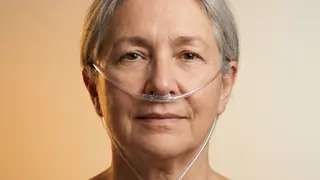
| Mild Oxygen Drop (Nasal Cannula or Simple Face Mask) | Your lungs are moving air well on their own, but mild pneumonia, asthma, or flu has dipped your blood oxygen slightly below normal. Soft prongs under your nose add extra oxygen. What you should do: Contact your Primary Care Physician (PCP) / family GP clinic or visit a local Urgent Care center promptly if you feel unusually winded during light activity. |
| Moderate Breathing Fatigue (High-Flow Nasal Oxygen or BiPAP/CPAP Mask) | Your breathing rate is fast and your chest muscles are working overtime—common in COPD flare-ups or early pneumonia. Pressurized mask therapy helps push air in without a throat tube. What you should do: Seek immediate hospital evaluation at your nearest Emergency Room (ER / A&E) so doctors can check blood gases and start mask support early. |
| Severe Pneumonia, ARDS, or Exhaustion (Invasive ICU Ventilator via Breathing Tube) | Your lungs are too stiff, fluid-filled, or tired to maintain safe oxygen or carbon dioxide levels. Full mechanical ventilation rests your muscles and protects vital organs. What you should do: Call emergency services immediately if someone is struggling to speak full sentences, turning bluish around the lips, or becoming drowsy from lack of air. |
| Major Planned Surgery (Temporary Intraoperative Ventilator) | General anesthesia safely pauses your natural breathing drive during an operation. The ventilator breathes steadily for you and is usually removed before you even wake up. What you should do: Follow your surgical team's pre-op fasting rules, disclose any sleep apnea or smoking history, and practice deep-breathing exercises afterward. |
What Should You Do If Someone You Know Is on a Ventilator?
Watching a partner, parent, or friend lie surrounded by monitors in the ICU can leave you feeling helpless. Remember how we talked about the ventilator being a bridge to recovery? Your presence is a huge part of that bridge too. Even when someone appears asleep under sedation, hearing often remains intact.
- Speak calmly and reassure them: Use a warm, familiar voice. Tell them who is in the room, what day it is, and that they are safe in the hospital being cared for.
- Hold their hand gently: Simple, steady physical touch lowers stress hormones and reminds them they are not alone.
- Use simple communication tools when awake: As sedation is lightened, offer a clipboard with thick markers, a picture board, or simple yes-or-no questions they can answer with a nod or hand squeeze.
- Bring comforting items from home: Check with the ICU nurse first—a favorite family photo, a soft fleece blanket, or lip balm for dry lips makes a sterile room feel human.
- Designate one family spokesperson: Ask one family member to take notes during daily ICU rounds so everyone gets clear, consistent updates without overwhelming the bedside team.
What Are the Possible Complications of a Ventilator?
Like any powerful medical treatment, mechanical ventilation carries certain risks, especially if needed for more than a few days. Now that makes sense, right? Whenever a machine takes over a natural body function, ICU teams work proactively to prevent side effects:
- Ventilator-Associated Pneumonia (VAP): Because a breathing tube bypasses your nose and throat's natural germ filters, bacteria can occasionally travel into the lower lungs. Nurses prevent this by keeping the head of the bed raised at 30 to 45 degrees and cleaning the mouth regularly with antiseptic rinses.
- Airway or vocal cord irritation: Resting against the vocal cords for several days can cause temporary swelling or soreness once the tube comes out.
- Pressure injury to lung tissue (barotrauma): Pushing air into stiff lungs at high pressure can occasionally cause a tiny air leak. Modern ventilators use "lung-protective" low-volume settings to keep pressures gentle.
- Muscle weakness and blood clots: Lying still in an ICU bed weakens leg and breathing muscles quickly. Hospital teams use compression boots, blood-thinning injections, and early bedside physical therapy to keep circulation moving.
How Do Doctors Safely Remove You From a Ventilator?
Doctors never simply switch a ventilator off and pull the tube out without checking that you are truly ready. Once your underlying infection, fluid buildup, or anesthesia has improved, we begin a gradual step-down process called weaning.
First, the ICU team lowers your sedative medication so you wake up clearly and can follow simple instructions, like squeezing a hand or opening your eyes. Next, we reduce the ventilator's pressure support so your own diaphragm muscle does more of the work during a supervised spontaneous breathing trial—usually lasting 30 to 120 minutes while we watch your oxygen, heart rate, and breathing comfort closely.
When you pass that trial smoothly, a respiratory therapist gently deflates the tiny cuff holding the tube in place and slides it out in a quick, painless motion called extubation. Right afterward, it is completely normal to have a scratchy sore throat, a raspy or weak voice, and mild fatigue for a few days. Just like we mentioned earlier, healing takes patience: critical care doctors often remind families that for every single day spent on a ventilator, full physical stamina can take up to a week to rebuild.
✔️ What You Should Do & ❌ What to Avoid
- ✔️ Do ask the ICU team daily questions: Ask what your loved one's oxygen settings are doing, whether sedation is being lightened, and what small goal the team is aiming for today.
- ✔️ Do start gentle recovery nutrition and hydration early: Once the tube is out and a swallow check is cleared, start with soothing, easy-to-swallow foods like warm chicken broth, oatmeal, scrambled eggs, yogurt, or warm water with honey and lemon.
- ✔️ Do attend post-ICU follow-up visits: Book a check-in with your Primary Care Physician (PCP) / family GP clinic within 1 to 2 weeks of discharge to review lung healing, sleep, and emotional recovery.
- ❌ Don't touch ventilator dials or silence alarms: Bedside alarms alert nurses to tiny pressure or moisture changes—always let the ICU staff check them.
- ❌ Don't rush solid foods or thick drinks immediately after extubation: Throat muscles need a few hours to regain full swallowing coordination to prevent choking.
- ❌ Don't expose recovering lungs to smoke or vaping: Avoid cigarettes, e-cigarettes, and dusty environments while your airways heal.
🚨 When to Seek Immediate Emergency Care (Red-Flag Symptoms)
If you or someone near you develops any of these red-flag symptoms, do not wait — call 911 (or 999 in the UK / 000 in Australia) immediately or go straight to the nearest hospital Emergency Room (ER / A&E):
- Severe shortness of breath where the person cannot speak more than one or two words at a time
- Bluish, gray, or pale color around the lips, tongue, or fingernails
- Chest pain, tightness, or visible pulling in of the skin around the ribs and neck when inhaling
- Sudden confusion, extreme drowsiness, dizziness, or difficulty staying awake
- High fever paired with rapid, shallow breathing after recent hospital discharge
💡 Key Take-Home Message
- A medical ventilator is a supportive breathing machine—not a cure by itself, but a vital lifeline that keeps oxygen flowing while your body fights infection or wakes from surgery.
- Modern ICU teams prioritize comfort with calming medications, continuous monitoring, and lung-protective settings.
- Removing the ventilator happens gradually through safe weaning trials, and steady recovery at home takes patience, good nutrition, and follow-up with your family doctor.





No comments yet. Be the first to share your question or experience below.