
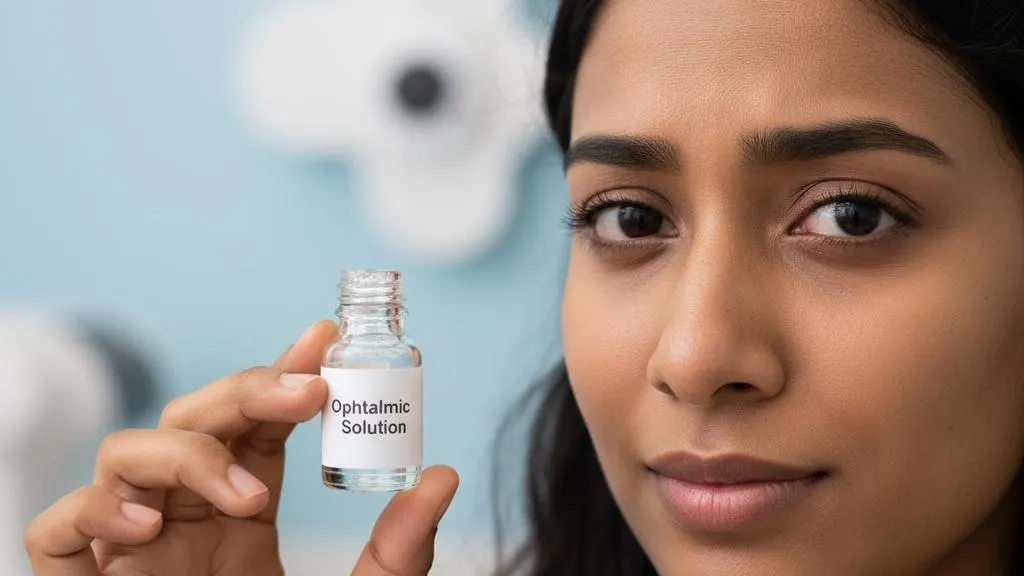
Have you ever visited the eye doctor for a routine checkup and received special eye drops? You might remember your vision becoming blurry shortly after, making bright outdoor lights feel uncomfortably strong. Many people feel a bit worried when this happens for the very first time. Let us walk through everything you need to know about this special eye medicine.
This medicine combines two active ingredients called cyclopentolate and phenylephrine. Doctors use this combination routinely to help them examine the inner structures of your eyes. Understanding how it works can help you feel much more relaxed during your next appointment.
Key Takeaways
- These eye drops widen your pupils so doctors can see inside your eyes clearly.
- Always tell your doctor about any health conditions before getting these drops.
- Expect temporary blurry vision and light sensitivity lasting for a few hours.
- Never share your prescribed eye drops with anyone else under any circumstances.
What Does This Medicine Actually Do?
Put simply, these eye drops make the dark center part of your eye, known as the pupil, grow much larger. Imagine opening a heavy door wide open instead of peeking through a tiny crack. Opening that door allows you to see everything inside the room clearly.
In the same way, widening your pupil lets your doctor view the back of your eye. They can examine your delicate nerves, blood vessels, and retina with great detail. Doctors usually use this medicine only during specific eye exams and professional vision tests.
Sometimes, your doctor might recommend these drops for other special medical reasons. If you have any questions about why you need them, always ask your eye doctor. They will gladly explain the exact reason for your specific visit.
Things to Tell Your Doctor Before Using the Drops
This medicine does not suit everyone in the exact same way. Therefore, sharing your complete medical history with your doctor matters a great deal before treatment begins.
| If You Have This Condition | Why Your Doctor Needs to Know |
|---|---|
| Glaucoma or high eye pressure | This medicine can cause eye pressure to rise further. |
| Heart disease or high blood pressure | The active ingredients can affect your heart rate and blood pressure. |
| Thyroid disease | Thyroid hormone levels can interact with this medicine. |
| Down syndrome or cerebral palsy | People with these conditions may show higher sensitivity to the drug. |
| Wearing contact lenses | You must take out your contact lenses before putting in the drops. |
| Pregnancy or breastfeeding | You must discuss how the medicine might affect your baby. |
| Allergies to medicines or food | You need to check for any risk of an allergic reaction. |
How to Use These Eye Drops Correctly
You apply this medicine directly into your eye as directed. Never swallow these drops by mouth under any circumstances. Always follow your doctor instructions precisely for safe results.
First, wash your hands thoroughly with soap and water before and after handling the bottle. Tilt your head back slightly and gently pull down your lower eyelid to form a tiny pocket. Release a single drop of medicine into that pocket without touching the dropper tip to your eye or skin. Close your eyes gently afterward.
Press your clean finger against the inner corner of your eye near your nose for two to three minutes. This simple action stops the liquid from draining down your throat. If your doctor asks you to add another drop after a few minutes, follow their exact schedule.
Remember that your prescription belongs strictly to you. Never let anyone else use your personal eye medicine.
Using These Drops for Young Children
Doctors can safely use these drops for young children and babies, but extra care is required. Wash both your hands and your child hands thoroughly after application. If you give these drops to an infant, avoid breastfeeding for the next four hours.
Keep a close watch on your child behavior for thirty minutes after putting in the drops. Report any unusual sleepiness or irritability to the clinic staff right away. Professional supervision ensures your child stays safe and comfortable throughout the visit.
Things to Watch Out For While Using the Medicine
Your vision will likely remain blurry for several hours or even a full day. Because of this blurriness, avoid driving cars, operating heavy machinery, or doing tasks requiring sharp focus until your vision clears completely.
Your eyes will also become very sensitive to bright light during this time. Sunlight and harsh indoor light bulbs can cause uncomfortable glare. Wearing sunglasses outdoors helps protect your sensitive eyes until the drops wear off.
If you wear contact lenses, remove them before the drops go into your eyes. Ask your doctor when you can safely put your lenses back in. If your vision does not return to normal after a full day, or if you feel severe pain, contact your doctor right away.
What to Do If You Miss a Dose or Take Too Much
If you accidentally put too much medicine in your eye, or if someone swallows it by mistake, get emergency help right away. Call your local emergency number like 911 or 999, or go to the nearest emergency department right away. You can also contact your local poison control center for expert guidance.
If you forget to use your drops at the scheduled time, apply them as soon as you remember. However, if it is almost time for your next dose, skip the missed dose entirely. Never use a double dose to make up for a missed application.
Possible Side Effects to Keep in Mind
Like all medicines, these eye drops can cause unwanted side effects in some people. Most side effects are mild and disappear on their own within a short time.
| Serious Side Effects Requiring Immediate Medical Care | What You Might Notice |
|---|---|
| Allergic reactions | Skin rashes, itching, swelling of your face, lips, or tongue. |
| Behavioral or mental changes | Unusual restlessness or confusion, especially in young children. |
| Heart rate changes | A heartbeat that feels unusually fast, pounding, or irregular. |
| Severe eye symptoms | Swelling around the eyelids, sharp pain, or deep redness. |
| Common Mild Side Effects | What You Might Notice |
|---|---|
| Temporary blurry vision | An expected effect that fades after a few hours. |
| Light sensitivity | Discomfort in bright rooms until your eyes recover fully. |
| Mild stinging | A brief sting or mild itch right after putting in the drops. |
Potential Interactions With Other Medicines
Yes, other medicines can interact with these eye drops. If you take medicines for other health conditions, this eye solution might alter how they work in your body. Pay special attention if you take medicines for depression, anxiety, high blood pressure, or other eye drops like atropine or pilocarpine.
This list does not cover every possible drug interaction. Therefore, tell your doctor about every product you take, including vitamins, herbal remedies, and over-the-counter supplements. Keeping your healthcare team fully informed keeps you safe.
When to Seek Emergency Medical Care
Call 911 (US/Canada) or 999 (UK) or go to your nearest Emergency Department right away if you experience severe allergic reactions, trouble breathing, chest pain, sudden severe eye pain, or confusion after receiving these eye drops.
💡 Take-Home Message
This medicine plays a vital role during complete eye exams. Never use these drops for other purposes without professional medical advice. Always share your complete health history with your doctor before treatment.
Protect your eyes from bright light and avoid driving while your vision remains blurry. If you notice severe side effects like rapid heartbeats or intense eye pain, seek medical help right away. Keep your prescription strictly to yourself and follow all doctor instructions carefully.





No comments yet. Be the first to share your question or experience below.