

Dental emergencies can happen when you least expect them, leaving you worried and in severe pain. Whether you are dealing with a sudden toothache, a broken tooth, or a mouth injury, knowing what to do makes a huge difference. While not every dental issue requires immediate emergency treatment, certain signs mean you need professional help right away.
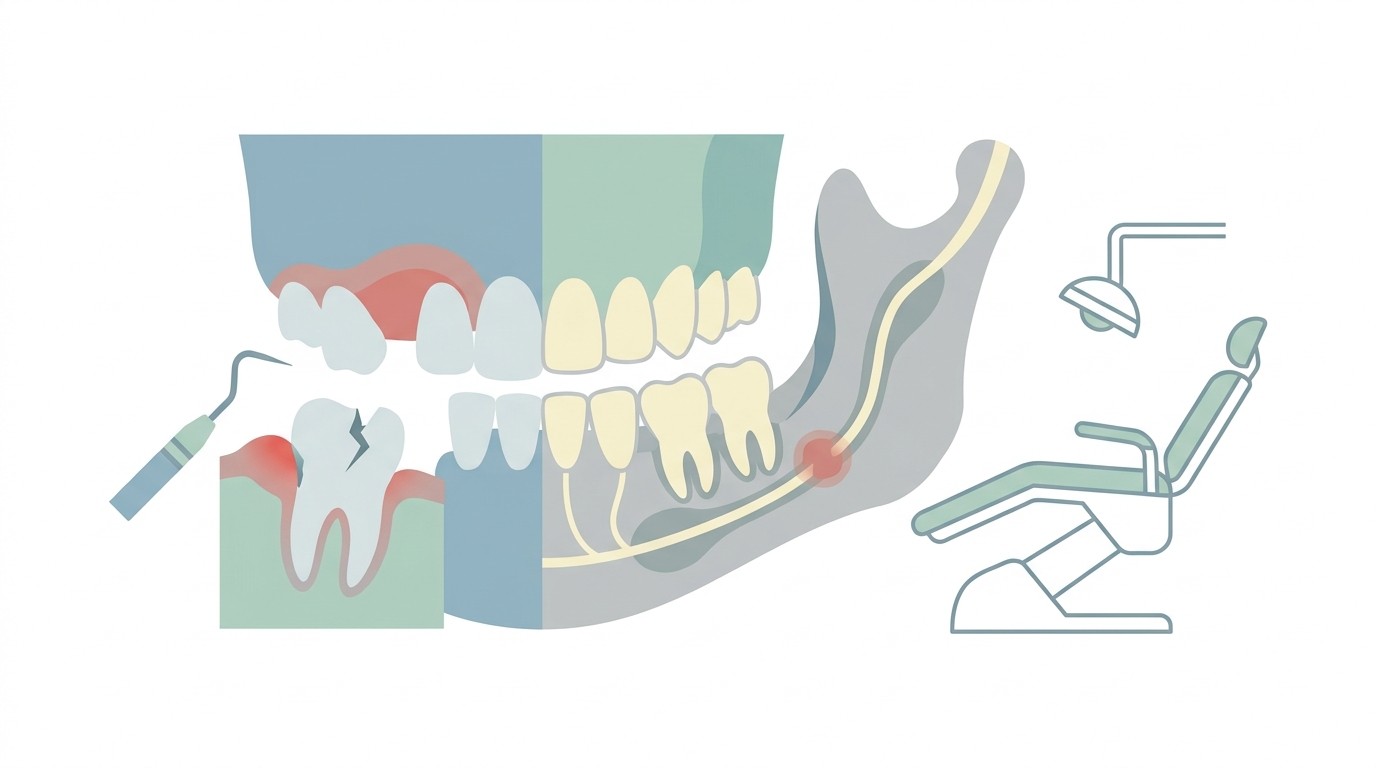
If you experience uncontrollable bleeding, severe swelling, or a suspected jaw fracture, you need urgent medical and dental attention. Let us walk through the essential steps to handle dental emergencies safely, protect your smile, and keep you comfortable until you reach a doctor.
- Stay calm and call your dentist right away when a dental emergency happens.
- Handle a knocked-out tooth by the crown, never the root, and keep it moist in milk or saline.
- Manage swelling and pain using a cold compress on your cheek and over-the-counter pain medicine.
- Never place aspirin directly on your gums or tooth, as it can cause painful chemical burns.
- Go to the nearest emergency room or call 911 (US/Canada) or 999 (UK) if you have severe facial trauma or uncontrolled bleeding.
What to Do First in a Dental Emergency.
When a dental emergency strikes, your very first step is to stay calm and assess the situation. Call your dentist right away to describe your symptoms and get professional instructions. Many dental clinics keep emergency contact slots open or have an on-call phone number available even after regular working hours.
If your regular dentist is unavailable, you can visit a local urgent care center or hospital emergency room depending on how severe your symptoms are. Knowing where to go ensures you receive the right level of care without unnecessary delays.
Where Should You Go for Help?
For most localized dental problems such as a cracked tooth, a lost filling, or a knocked-out tooth, your dentist is the best person to treat you at their clinic. However, if you suffer from severe facial trauma, a broken jaw bone, or heavy bleeding that will not stop, you should go straight to the nearest hospital emergency room.
What Counts as a Dental Emergency?
It helps to know which dental issues require urgent attention so you can act quickly and protect your oral health. Common dental emergencies include:
- Severe, throbbing toothache pain that does not go away with standard home care.
- Badly chipped, cracked, or broken teeth exposing sensitive inner layers.
- A permanent tooth that has been completely knocked out of its socket.
- A tooth that feels loose, wobbly, or displaced from its normal position (extruded tooth).
- A painful dental abscess accompanied by gum swelling or facial puffiness.
- A lost or broken dental filling or crown causing sharp discomfort.
- Severe soft tissue injuries inside the mouth involving the tongue, lips, or cheeks.
Let us take a closer look at each of these specific situations and review the exact first-aid steps you should take before seeing a doctor.
1. Severe Toothache.
A severe toothache can make it hard to focus, eat, or sleep comfortably. Start by rinsing your mouth thoroughly with warm water to clear out any trapped debris. Gently use dental floss between your teeth to check for trapped food particles that might be pressing on your gums.
If your cheek or face feels puffy, place a cold compress on the outside of your cheek to reduce swelling. You can take an over-the-counter pain medicine such as paracetamol or ibuprofen to help manage the discomfort safely. Never place aspirin or any other pain pill directly against your sore gum or aching tooth, because the chemical can easily burn and damage your delicate soft tissues.
2. Badly Chipped or Broken Tooth.
If your tooth breaks, collect any broken pieces you can find and rinse them gently with clean water. Rinse your mouth with warm water to clean the area. If you experience bleeding, place a clean piece of gauze against the bleeding site and bite down gently for about ten minutes until the bleeding stops.
To keep swelling down and ease pain, hold a cold pack against your outer cheek near the injured tooth. Contact your dentist right away to schedule an emergency repair visit so they can restore your tooth.
3. Completely Knocked-Out Tooth.
A knocked-out permanent tooth requires fast action to give it the highest chance of successful re-implantation. Follow these steps carefully:
Step-by-step guidance for a knocked-out tooth:
- Find the knocked-out tooth and pick it up only by the crown, which is the top part you normally see above the gumline. Never touch the root.
- Rinse the root very gently with water if it is dirty, but do not scrub it or remove any attached tissue fragments.
- Try to place the tooth gently back into its socket if you can align it correctly. Never force it into place.
- If you cannot put it back in the socket, place the tooth in a small container of fresh milk. If milk is not available, use a cup of water mixed with a pinch of salt.
- See a dentist as quickly as possible. A knocked-out tooth has the best survival rate when treated within one hour.
4. Loose or Displaced Tooth.
When a tooth is pushed out of alignment, becomes loose, or shifts sideways, you must see a dentist right away. Do not try to push a severely displaced tooth back into position with excessive force. While waiting to see your doctor, apply a cold compress to your outer cheek to help control pain and swelling, and take an approved over-the-counter pain medicine if needed.
5. Dental Abscess.
A dental abscess is a painful pocket of pus caused by a bacterial infection around the root of a tooth or deep within the gums. This is a serious condition that can spread to surrounding bone and tissues if left untreated. If your face swells or you develop a fever along with tooth pain, seek professional care right away.
While waiting for your appointment, rinse your mouth gently several times a day with warm salt water made by dissolving half a teaspoon of salt in eight ounces of warm water. This helps soothe the area and draws some fluid to the surface, but it does not replace professional treatment with antibiotics or drainage.
6. Lost or Broken Dental Fillings or Crowns.
Old dental fillings and crowns can sometimes loosen, crack, or fall out due to chewing pressure or tooth decay underneath.
- If a filling falls out or breaks, you can temporarily press a piece of sugar-free chewing gum into the cavity or use an over-the-counter temporary dental cement from your pharmacy to protect the sensitive inner dentin. See your dentist promptly.
- If a dental crown or bridge falls off, bring the piece with you to your dental appointment. You can try slipping it back over the tooth temporarily using a little over-the-counter dental cement or denture adhesive. Never use household super glue, as it contains toxic chemicals and destroys natural tooth structure.
7. Severe Soft Tissue Injury.
Injuries to your lips, tongue, inner cheeks, or gums can cause sudden bleeding and discomfort. Manage soft tissue injuries with these steps:
- Rinse your mouth carefully with warm salt water to clean the wound.
- Press a clean damp gauze pad or a caffeinated tea bag directly against the bleeding area for fifteen to twenty minutes. The natural tannic acid in black tea helps blood vessels constrict and stop bleeding.
- Apply a cold pack to the outside of your mouth or cheek for five to ten minutes to minimize swelling and numb pain.
- If the bleeding does not slow down or stop after twenty minutes of direct pressure, go to an urgent care center or hospital emergency room right away.
Not Sure If It Is a True Dental Emergency? What to Do.
Sometimes it is hard to tell whether a dental problem requires an immediate emergency visit or if it can wait for a regular appointment slot. Non-emergency dental issues still need professional care, but they can usually wait for normal working hours:
- Mild or dull toothaches that come and go without severe swelling.
- Small chips or minor cracks in a tooth that cause no pain or sharp edges.
- Broken or bent orthodontic wires and brackets.
- Food particles stuck firmly between teeth that do not cause deep gum injury.
- Minor cuts or scrapes on the inside of your cheek or tongue.
Remember that if you ever experience severe, unmanageable pain, heavy bleeding, or difficulty breathing and swallowing alongside a dental issue, you should seek emergency medical attention right away.
Managing Non-Emergency Symptoms at Home.
If your dental issue is not an emergency, you can manage symptoms safely at home while waiting for your scheduled appointment:
- Mild Toothache: Rinse with warm water, use dental floss to clear food debris, and take paracetamol or ibuprofen. Avoid putting aspirin on your gums.
- Minor Tooth Chip: If there is no pain and no sharp edge, wait for your regular appointment. Cover sharp edges with orthodontic wax from the pharmacy if they irritate your tongue.
- Broken Braces Wire: If no bleeding occurs, bend the sharp wire gently away from your cheek using the eraser end of a pencil. Cover the tip with orthodontic wax.
- Food Stuck Between Teeth: Use gentle flossing or an interproximal brush to clear the area. Never use sharp metal pins or needles.
- Minor Soft Tissue Scrapes: Rinse with antibacterial mouthwash and apply gentle pressure with clean gauze until bleeding stops completely.
- You experience severe swelling in your neck, jaw, or face that makes it hard to breathe or swallow.
- You suffer high fever and rapid heart rate accompanying a severe tooth infection.
- You sustain major facial trauma, broken facial bones, or heavy bleeding that will not stop after 20 minutes of direct pressure.
When Should You Visit a Hospital Emergency Room for Toothache?
If your regular dentist is closed and you experience excruciating tooth pain accompanied by spreading facial swelling, fever, or difficulty swallowing, you should visit a hospital emergency department (ED). Emergency doctors can provide immediate medical stabilization, pain relief, and prescription antibiotics if an infection is spreading.
Keep in mind that hospital emergency rooms generally do not perform restorative dental work such as fillings, root canals, or crown placements. Once emergency doctors stabilize your acute symptoms, you must follow up with your regular dentist as soon as their office reopens.
| Condition Type. | At-Home First Aid. | When to Seek Urgent Care. |
|---|---|---|
| Knocked-Out Tooth. | Hold by crown, rinse gently, place in milk or socket. | Within 1 hour for best chance of saving the tooth. |
| Severe Toothache. | Warm salt water rinse, floss, cold compress, pain medicine. | When pain persists or fever and facial swelling develop. |
| Broken Tooth. | Save pieces, rinse with warm water, use cold compress. | Within 24 hours to prevent nerve damage or infection. |
| Dental Abscess. | Warm salt water rinses, over-the-counter pain relief. | right away if facial swelling or fever is present. |
Take-Home Message.
A dental emergency involves any oral injury featuring uncontrollable bleeding, severe pain, or facial trauma. Ignoring these symptoms can lead to worsening infections, loose teeth, or permanent tooth loss. Prompt and calm action protects your oral health and ensures successful treatment.
If a dental emergency occurs, contact your dentist first for professional guidance. While waiting for your appointment, follow safe first-aid steps, manage your pain responsibly, and stay calm!
Understanding dental emergencies helps you make calm, confident decisions when unexpected injuries happen. Managing inflammation and seeking timely professional care are essential steps for protecting your long-term oral health. Always consult your dental doctor before starting any new treatment.


💬 Comments (0)
No comments yet. Be the first to share your thoughts here.
Add Your Comment