
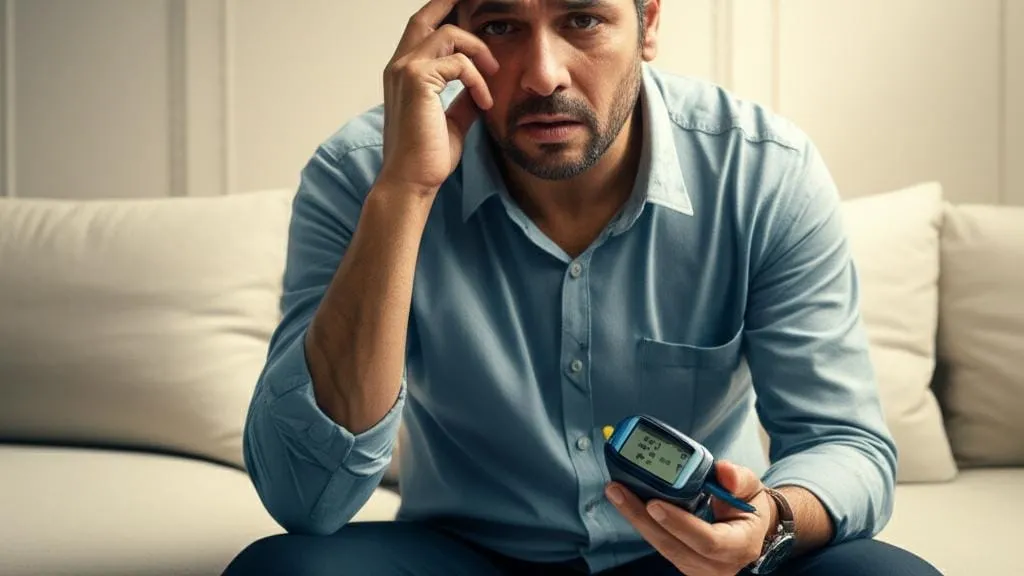
Do you feel tired all the time? Do you have a dry mouth? Or do you need to urinate frequently? These can be common symptoms of diabetes. Today, we will talk about this disease called Diabetes Mellitus, which many people fear, how to diagnose it, and how to treat it in a simple way that you can understand.
eGFR calculator using the CKD-EPI 2021 equation. Estimate kidney function from creatinine and identify CKD stage.
How do I know if I have diabetes?
If you have risk factors for diabetes, or if your urine shows high levels of sugar, your doctor may suspect that you have diabetes. Simply put, if the hormone insulin produced by the pancreas in our body decreases (Type 1 diabetes) or if the body does not respond properly to insulin (Type 2 diabetes), the level of sugar in the blood, that is, blood glucose, increases.
There are several main tests to confirm the diagnosis. Usually, if the doctor finds one test value to be high, he will advise that the test be repeated to confirm it.
| Name of the test | How to do • Level of suspicion of diabetes |
|---|---|
| Fasting Blood Sugar (FBS) | How to do: Checking blood sugar levels in the morning before eating anything. Level of suspicion of diabetes: If 126 mg/dL or higher. |
| Oral Glucose Tolerance Test (OGTT) | How to do: Drink a glucose-containing drink and check your blood sugar every 30-60 minutes for up to 3 hours. Level of suspicion of diabetes: If 200 mg/dL or higher after 2 hours. |
| HbA1c Test (A1c Test) | How to do: A simple blood test that shows your average blood sugar level over the past 2-3 months. Level of suspicion of diabetes: If 6.5% or more. |
Additionally, sometimes your doctor may also order a test called Zinc Transporter 8 Autoantibody (ZnT8Ab). This blood test can help determine whether a person has Type 1 diabetes or another type. By diagnosing the disease early and accurately, the right treatment can be started sooner.
What are the treatments for diabetes?
Diabetes is not a disease that you can treat on your own. It is a serious condition. Therefore, it is essential to develop a treatment plan under the supervision of a doctor.
Your doctor will create a treatment plan that is right for you and that you can understand. You may need the help of other health professionals along the way. For example, you may need the help of a foot doctor, a nutritionist, an eye doctor, and an endocrinologist.
The mainstay of diabetes treatment is a combination of medication, exercise, and diet to keep your blood sugar levels within the target range prescribed by your doctor. By paying attention to what you eat and when you eat, you can minimize the sudden spikes in your blood sugar levels (the seesaw effect). This can help reduce the need to adjust your medication, especially your insulin dose, as often as necessary.
Diabetes Drugs
Treatment for Type 1 Diabetes
If you have Type 1 diabetes, your pancreas no longer produces the insulin you need to produce energy. So you have to get insulin from outside sources, either through injections or an insulin pump . While giving yourself an injection may seem a little scary at first, it's not as difficult as you might think.
Some people use a computerized device called an insulin pump, which releases insulin into the body at the right time and in the right amount.
There are several types of insulin currently in use.
| Insulin Type | Description |
|---|---|
| Rapid-acting | It takes effect in a few minutes and lasts for 2-4 hours. |
| Short-term (Regular or Short-acting) | It takes effect in 30 minutes and lasts for 3-6 hours. |
| Intermediate-acting | Takes effect in 1-2 hours and lasts up to 18 hours. |
| Long-acting | Takes effect in 1-2 hours and lasts for more than 24 hours. |
| Ultra-long-acting | Takes effect in 1-2 hours and lasts up to 42 hours. |
Treatment for Type 2 Diabetes
Some people with type 2 diabetes can control their disease with diet and exercise alone. Others need pills or insulin injections. These medications work in different ways to bring blood sugar levels back to normal.
- Medications that increase insulin production by the pancreas: Examples: glimepiride, glipizide, glyburide.
- Medicines that reduce the absorption of sugar from food: Example: acarbose (Precose).
- Medications that improve how the body uses insulin: Examples: pioglitazone (Actos).
- Medications that reduce sugar production by the liver and reduce insulin resistance: Example: metformin (Glucophage). Metformin also helps control sugar because it helps with weight loss.
- Medications that block the reabsorption of sugar by the kidneys and increase its excretion in the urine (SGLT2 inhibitors): Examples: canagliflozin (Invokana), dapagliflozin (Farxiga). These also have additional benefits such as weight loss and a reduced risk of heart disease.
The most important thing is to take the medicine your doctor prescribes, in the right dosage, at the right time . Never use someone else's medicine or stop taking it without consulting a doctor.
What should be the diet for diabetes?
A balanced diet is essential for someone with diabetes. So talk to your doctor or a nutritionist to create a meal plan that's right for you.
- Meals and timing: If you have type 1 diabetes, the amount of insulin you take will depend on your activity and diet. So what you eat, how much you eat, and when you eat are just as important. It is usually recommended to eat three main meals and three or four snacks.
- The plate rule: Try to fill half of your plate with low-starch vegetables (e.g. broccoli, carrots, cucumbers, cabbage, tomatoes, beans).
- Be mindful of carbohydrates: Knowing how many carbohydrates you need and how much you are consuming is very important for blood sugar control. Choose whole grains (e.g., brown rice, brown rice, oats, barley).
- Fat and protein: Reduce saturated fat. Eliminate trans fats completely. Choose lean meats, fish, nuts, and low-fat dairy products.
The importance of exercise
Exercise is another important pillar of diabetes treatment. But you should definitely talk to your doctor before starting any exercise program . Exercise improves how your body uses insulin and can lower blood sugar levels.
- Watch out for hypoglycemia: Check your blood sugar level about half an hour before exercising and eat a small snack containing carbohydrates if necessary. If you experience symptoms of low blood sugar (dizziness, sweating, shakiness) while exercising, stop exercising and immediately eat something sweet (e.g. a spoonful of sugar, some glucose).
- How much exercise should you do?: It is recommended to do at least 150 minutes of moderate aerobic exercise, such as brisk walking, per week. Start small and gradually increase the time.
These lifestyle changes are a must.
Avoid smoking.
Quit this habit today. If you smoke, it will be much harder to control your blood sugar levels. And your risk of developing complications from diabetes (heart disease, kidney disease, nerve damage, blindness) is much higher.
Limit alcohol.
If you take insulin or certain diabetes pills, drinking alcohol can cause your blood sugar levels to drop dangerously low. This is because when you drink alcohol, your liver is working to get rid of the alcohol instead of controlling your blood sugar.
Reduce stress.
Stress can raise your blood sugar levels, so find ways to relax. Things like meditation, yoga, and spending time with friends can help.
Take care of your teeth and gums.
Diabetes can increase the risk of gum disease, so brush and floss your teeth thoroughly every day.
💡 Take-Home Message
- Although diabetes is a serious condition, if managed properly, it is possible to live a normal life.
- Follow your doctor's treatment plan exactly. Never change or stop your medication on your own.
- The three pillars of diet, exercise, and medication are the foundation of diabetes management.
- It is very important to check your blood sugar levels regularly.
- Completely avoid harmful habits like smoking and excessive alcohol consumption.
- Be sure to consult your doctor before using any alternative treatment or supplement.




No comments yet. Be the first to share your question or experience below.