
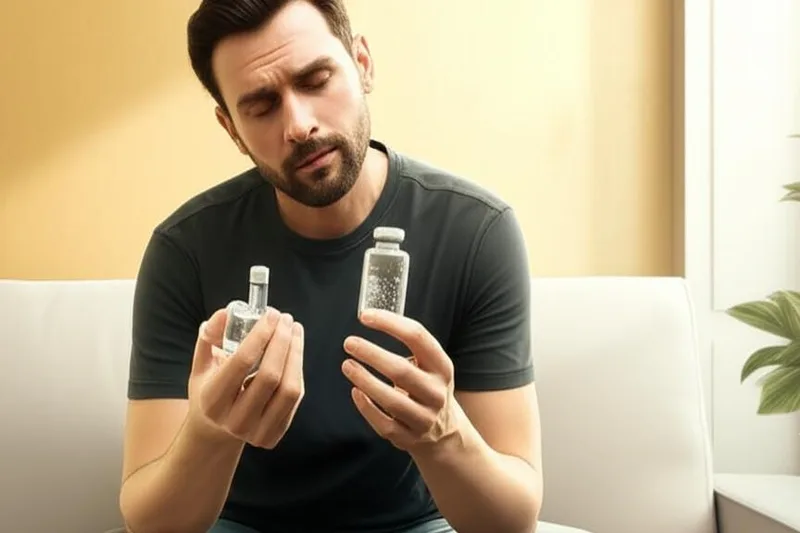
Do we have to use an injection along with pills for diabetes? (Oral and Injectable Meds for Type 2 Diabetes) Let's find out

Do we have to use an injection along with pills for diabetes? (Oral and Injectable Meds for Type 2 Diabetes) Let's find out

If you have Type 2 Diabetes, you probably already have a healthy lifestyle, which includes eating a healthy diet and exercising regularly. You also probably take your medications as prescribed by your doctor. Many people can control their blood sugar levels well in this way. However, for some people, even with this method, their blood sugar levels are not as well controlled as they should be. If that's the case for you, your doctor may recommend adding an injection to your treatment plan. So, let's take a look at what you need to know about this.

What is the difference between Insulin and Non-Insulin Injections?

If your body still produces some insulin, your doctor may first try a non-insulin injection. There are two types. These injections mainly help keep food in the stomach longer and help the pancreas release insulin when we eat. Simply put, they give your body a little help with its natural process. Some injections can also help you lose weight. You and your doctor can choose the injection that is best for you, based on factors like your blood sugar levels, your lifestyle, and the cost of the medication.

What do you need for this?

There are two main ways to use diabetes injections. Let's take a look at what they are.

Device Description and advantages/disadvantages
Syringe This is like a small tube with a needle attached to it. You draw the amount of medicine you need from the vial into this and insert the needle into the skin. This takes a little getting used to.
Pen This is a device that looks like a pen. But instead of ink, it contains diabetes medication. Most pens come prefilled with medication. All you have to do is attach a needle, dial in the required dose, and inject. These are easier to use than syringes, and there is less chance of making mistakes. The needles are also much smaller. But there is a downside. These pens are usually more expensive than syringes and vials of medication.

Whichever method you use, you should always have enough pens or syringes, needles, and alcohol wipes with you.

Very important: Never throw used needles in the trash. Use a special container (`sharps container`) for this purpose. When it is full, take it to your doctor's office, hospital, or local waste collection point.

How do you incorporate this into your daily routine?

Starting something new can be a bit daunting. Even adding one new medication can disrupt our daily routine. But don't be afraid, try this out.

  • Non-insulin injections: Some of these need to be given once or twice a day. Often, you will need to take these at the same time as your diabetes medication. So, put a little sticky note on the pill bottle that says "Get your shot." That way, you won't forget. Some injections only need to be given once a week. Once a week is easier to do, but you're less likely to forget. So choose a day that you can easily remember. For example, every Sunday when you watch a TV drama, or when you go to church. Then mark it on your calendar, or set a reminder on your phone. It's very important to get your shot on the same day every week.
  • Insulin: If you take insulin, you will usually need to take it once a day. Sometimes you may need to take it more often. You can take insulin that works when the sugar from the food you eat enters your blood. Your doctor or diabetes educator can help you develop a schedule that works best for you.

What side effects should I expect?

Like most diabetes medications, these injections can cause some side effects, such as nausea, vomiting, stomach upset (diarrhea), and low blood sugar (hypoglycemia).

Pay special attention: If you suspect that your blood sugar level is low, that is, if you suddenly start sweating, your hands and feet shake, or feel very tired, check it immediately with a blood glucose meter. If it is less than 70 mg/dL, you need to get treatment immediately. Take about 15 grams of carbohydrates, such as a teaspoon of sugar, something sweet (a piece of candy, some juice), and check again in 15 minutes. Ask your doctor about this.

Non-insulin injectables may slightly increase the risk of thyroid cancer and pancreatitis. So be aware of the side effects of every medication you take and when you should talk to your doctor.

Some tips to help you get vaccinated

It takes a while to get used to giving yourself a shot. But it's not as difficult as you might think. After a while, it will become as much a part of your daily routine as brushing your teeth. Here are a few tips to help you:

  • Learn from someone who knows: Your doctor or diabetes nurse practitioner will show you exactly how to inject. You can practice by injecting like a practice doll.
  • Choose the right place: Diabetes injections are given under the skin. Usually, the stomach, thighs, or backs of the arms are good places for this. Applying an ice pack to the area before the injection can help reduce the pain and numb the area.
  • Calm your mind: If you're feeling scared or nervous about getting vaccinated, take a few deep breaths. Or listen to a song you like.
  • Use a needle shield: If you are afraid of the needle, ask your nurse about a needle shield. This can help reduce your fear by making the needle invisible.

Take-Home Message

  • It's common to add an injection when pills alone aren't enough for type 2 diabetes. Don't be afraid of that.
  • Understand the difference between a syringe and a pen, and talk to your doctor to choose the method that is most convenient and suitable for you.
  • To avoid forgetting to get vaccinated, create a good routine that fits into your daily routine. Setting a reminder on your phone can be a big help.
  • Be aware of the symptoms of low blood sugar (hypoglycemia) (sweating, shaking). If this happens, ask your doctor what to do immediately.
  • Never ignore any side effects or problems you experience. Talk to your doctor immediately.

Diabetes, Type 2 Diabetes, Insulin, Diabetes Vaccines, Diabetes Medications, Blood Sugar, Hypoglycemia

⚠️ Important: The medical articles and information on Nirogi Lanka are for general awareness only, and are by no means a substitute for professional medical advice, diagnosis, or treatment. For any medical problem you have, consult a qualified physician immediately.

💬 Comments (0)

No comments yet. Be the first to share your thoughts here.

Add Your Comment

Please calculate: 4 + 1 =
Do we have to use an injection along with pills for diabetes? (Oral and Injectable Meds for Type 2 Diabetes) Let's find out
MedicationsJuly 7, 2026

Do we have to use an injection along with pills for diabetes? (Oral and Injectable Meds for Type 2 Diabetes) Let's find out

If you have Type 2 Diabetes, you probably already have a healthy lifestyle, which includes eating a healthy diet and exercising regularly. You also probably take your medications as prescribed by your doctor. Many people can control their blood sugar levels well in this way. However, for some people, even with this method, their blood sugar levels are not as well controlled as they should be. If that's the case for you, your doctor may recommend adding an injection to your treatment plan. So, let's take a look at what you need to know about this.

What is the difference between Insulin and Non-Insulin Injections?

If your body still produces some insulin, your doctor may first try a non-insulin injection. There are two types. These injections mainly help keep food in the stomach longer and help the pancreas release insulin when we eat. Simply put, they give your body a little help with its natural process. Some injections can also help you lose weight. You and your doctor can choose the injection that is best for you, based on factors like your blood sugar levels, your lifestyle, and the cost of the medication.

What do you need for this?

There are two main ways to use diabetes injections. Let's take a look at what they are.

Device Description and advantages/disadvantages
Syringe This is like a small tube with a needle attached to it. You draw the amount of medicine you need from the vial into this and insert the needle into the skin. This takes a little getting used to.
Pen This is a device that looks like a pen. But instead of ink, it contains diabetes medication. Most pens come prefilled with medication. All you have to do is attach a needle, dial in the required dose, and inject. These are easier to use than syringes, and there is less chance of making mistakes. The needles are also much smaller. But there is a downside. These pens are usually more expensive than syringes and vials of medication.

Whichever method you use, you should always have enough pens or syringes, needles, and alcohol wipes with you.

Very important: Never throw used needles in the trash. Use a special container (`sharps container`) for this purpose. When it is full, take it to your doctor's office, hospital, or local waste collection point.

How do you incorporate this into your daily routine?

Starting something new can be a bit daunting. Even adding one new medication can disrupt our daily routine. But don't be afraid, try this out.

  • Non-insulin injections: Some of these need to be given once or twice a day. Often, you will need to take these at the same time as your diabetes medication. So, put a little sticky note on the pill bottle that says "Get your shot." That way, you won't forget. Some injections only need to be given once a week. Once a week is easier to do, but you're less likely to forget. So choose a day that you can easily remember. For example, every Sunday when you watch a TV drama, or when you go to church. Then mark it on your calendar, or set a reminder on your phone. It's very important to get your shot on the same day every week.
  • Insulin: If you take insulin, you will usually need to take it once a day. Sometimes you may need to take it more often. You can take insulin that works when the sugar from the food you eat enters your blood. Your doctor or diabetes educator can help you develop a schedule that works best for you.

What side effects should I expect?

Like most diabetes medications, these injections can cause some side effects, such as nausea, vomiting, stomach upset (diarrhea), and low blood sugar (hypoglycemia).

Pay special attention: If you suspect that your blood sugar level is low, that is, if you suddenly start sweating, your hands and feet shake, or feel very tired, check it immediately with a blood glucose meter. If it is less than 70 mg/dL, you need to get treatment immediately. Take about 15 grams of carbohydrates, such as a teaspoon of sugar, something sweet (a piece of candy, some juice), and check again in 15 minutes. Ask your doctor about this.

Non-insulin injectables may slightly increase the risk of thyroid cancer and pancreatitis. So be aware of the side effects of every medication you take and when you should talk to your doctor.

Some tips to help you get vaccinated

It takes a while to get used to giving yourself a shot. But it's not as difficult as you might think. After a while, it will become as much a part of your daily routine as brushing your teeth. Here are a few tips to help you:

  • Learn from someone who knows: Your doctor or diabetes nurse practitioner will show you exactly how to inject. You can practice by injecting like a practice doll.
  • Choose the right place: Diabetes injections are given under the skin. Usually, the stomach, thighs, or backs of the arms are good places for this. Applying an ice pack to the area before the injection can help reduce the pain and numb the area.
  • Calm your mind: If you're feeling scared or nervous about getting vaccinated, take a few deep breaths. Or listen to a song you like.
  • Use a needle shield: If you are afraid of the needle, ask your nurse about a needle shield. This can help reduce your fear by making the needle invisible.

Take-Home Message

  • It's common to add an injection when pills alone aren't enough for type 2 diabetes. Don't be afraid of that.
  • Understand the difference between a syringe and a pen, and talk to your doctor to choose the method that is most convenient and suitable for you.
  • To avoid forgetting to get vaccinated, create a good routine that fits into your daily routine. Setting a reminder on your phone can be a big help.
  • Be aware of the symptoms of low blood sugar (hypoglycemia) (sweating, shaking). If this happens, ask your doctor what to do immediately.
  • Never ignore any side effects or problems you experience. Talk to your doctor immediately.

Diabetes, Type 2 Diabetes, Insulin, Diabetes Vaccines, Diabetes Medications, Blood Sugar, Hypoglycemia

⚠️ Important: The medical articles and information on Nirogi Lanka are for general awareness only, and are by no means a substitute for professional medical advice, diagnosis, or treatment. For any medical problem you have, consult a qualified physician immediately.

💬 Comments (0)

No comments yet. Be the first to share your thoughts here.

Add Your Comment

Please calculate: 4 + 1 =