
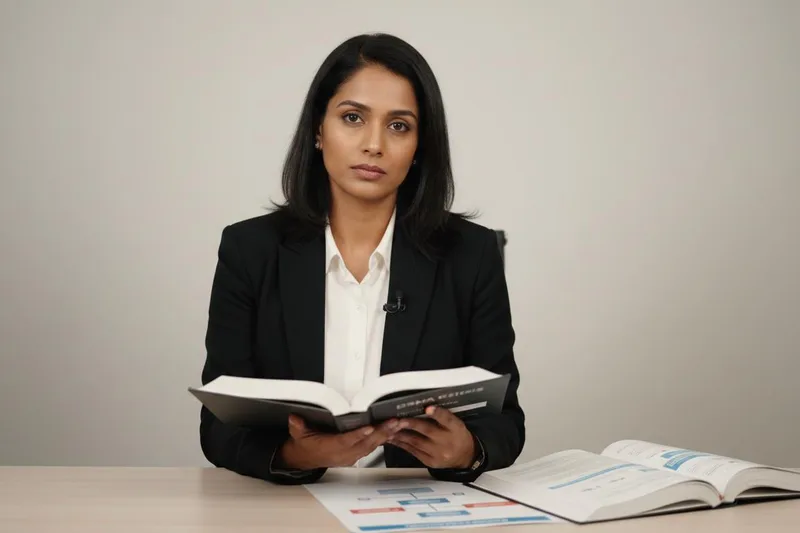
You've probably heard of mental health issues. For example, words like depression, anxiety, and OCD are now a common part of our conversations. But have you ever wondered how a doctor can determine exactly whether someone has a condition? You can't just guess, right? That's why there's a special manual used by psychiatrists and mental health professionals around the world. Today, we're going to talk about that manual, the DSM-5.
Simply put, what is this DSM-5?
DSM stands for Diagnostic and Statistical Manual of Mental Disorders . In Sinhala, it means 'Diagnostic and Statistical Manual of Mental Disorders'. This is the main reference book on mental health and brain-related conditions published by the American Psychiatric Association (APA).
The name ends with "5" because this is the fifth edition. The DSM-5 was first published in 2013. Then, in March 2022, the association released a revised version of the book, which was updated with some of the material. It is called DSM-5-TR™. TR here stands for 'Text Revision' or 'Text Revision'.
However, here's something to keep in mind: The DSM-5 and DSM-5-TR are medical books designed for specialists and professionals. The material in these books is very technical. It is not appropriate for the average person to read this book and assume that they have a medical condition or to make a diagnosis for someone else. Reading this book should never be considered a substitute for consulting a trained, qualified doctor.
What is the real use of the DSM-5?
Imagine you have a fever. The first thing the doctor does is to determine whether it is dengue, a common cold, or some other infection. He or she will do blood tests and listen carefully to your symptoms. Similarly, in the case of a mental health problem, the first step in treatment is to make an accurate diagnosis of what kind of condition it is.
The DSM-5 book is intended to help with that task.
- It provides clear, detailed definitions of every mental illness.
- The symptoms and nature of each disease are explained with examples.
- Also, this book divides medical conditions into categories, making it easier for doctors to distinguish between two conditions that have similar symptoms.
Simply put, this is like a road map for a doctor. It helps to match the criteria in this book with the symptoms the patient describes, and arrive at the most accurate diagnosis.
Who created such an important book? How?
This was not done overnight. The American Psychiatric Association (APA) brought together more than 160 mental health professionals from around the world to create the DSM-5. Among them were psychiatrists, psychologists, and specialists in various fields. In addition, hundreds of other professionals contributed as consultants. The information in this book was not just collected; it was confirmed through various tests and research. This means that this is a very reliable and scientifically based book.
What does the DSM-5 contain?
Although the DSM-5 focuses primarily on mental health conditions, it also addresses issues related to brain function, as our mental health and brain function cannot be separated. This book is divided into three parts.
1. Part One: DSM-5 Basics: This section provides guidance on how medical professionals should use this book in their work. It also provides guidance on how to use this book when dealing with mental health issues, such as legal matters and court cases.
2. Part Two: Diagnostic Criteria and Codes: This is the largest and most important part of the book. Each chapter is about a specific disease category. Within those chapters, the relevant disease conditions are clearly defined and the criteria necessary to identify them are given. We will look at this in more detail later.
3. Part Three: Emerging Measures and Models: This section discusses specific assessment tools that help doctors diagnose certain conditions. It also discusses how cultural differences can affect diagnosis, and discusses conditions that may be added to this book in the future for further study.
Some of the main categories of disorders mentioned in the DSM-5 book
Now let's look at the main categories of disorders in this book. You may have heard these names before. It's a long list, but it gives you an idea of the wide range of mental health conditions covered in this book.
| Disorder Category | Examples that fall under that |
|---|---|
| Neurodevelopmental Disorders | Autism Spectrum Disorder, Attention Deficit Hyperactivity Disorder (ADHD), Learning Disorders |
| Schizophrenia Spectrum and Other Psychotic Disorders | Schizophrenia, Delusional Disorder |
| Bipolar and Related Disorders | Bipolar I and II Disorders |
| Depressive Disorders | Major Depressive Disorder, Persistent Depressive Disorder |
| Anxiety Disorders | Generalized Anxiety Disorder, Social Anxiety Disorder, Phobias |
| Obsessive-Compulsive and Related Disorders | Obsessive-compulsive disorder (OCD), Hoarding Disorder |
| Trauma- and Stressor-Related Disorders | Post-traumatic stress disorder (PTSD), adjustment disorder |
| Feeding and Eating Disorders | Anorexia Nervosa, Bulimia Nervosa |
| Sleep-Wake Disorders | Insomnia Disorder, Sleep Apnea, Restless Legs Syndrome |
| Substance-Related and Addictive Disorders | Alcohol Use Disorder, Withdrawal-related symptoms |
| Neurocognitive Disorders | Delirium, Alzheimer's Disease, Parkinson's Disease, Traumatic Brain Injury |
| Personality Disorders | Borderline Personality Disorder (BPD), Narcissistic Personality Disorder |
Can we also buy or see this book?
Yes. The DSM-5 is available for purchase in bookstores and online. Many public libraries also have it (although some may not allow you to take it out of the library, only to consult it there).
But, let me remind you once again, although this book is available to the public, don't forget that it is aimed at medical professionals. As such, the language is very technical. It may be very difficult for a layperson to understand.
Think about a book about how to fly a plane. You can read it, and it might be interesting. But reading that book doesn't get you trained as a pilot, right? And so does this DSM-5 book. It can be dangerous to read it and decide that you or others have mental illnesses.
If you have even the slightest suspicion that you or someone you love may have a condition described in this book, please see a qualified doctor. Just as you would not seek out a doctor for yourself without undergoing surgery, seek the advice of a qualified doctor who is also trained in mental health issues.
Take-Home Message
- The DSM-5 is the primary, standard manual used by psychiatrists and mental health professionals around the world to accurately diagnose mental illnesses.
- This has been created on a scientific basis with the contributions of hundreds of experts from different countries around the world.
- This book provides clear definitions and diagnostic criteria for each condition, greatly helping doctors to direct them to the right treatment.
- Most importantly: The DSM-5 is a technical tool for professionals, not for the general public to use to diagnose themselves. If you suspect you or someone close to you has a mental health problem, always seek the advice of a doctor .


💬 Comments (0)
No comments yet. Be the first to share your thoughts here.
Add Your Comment