
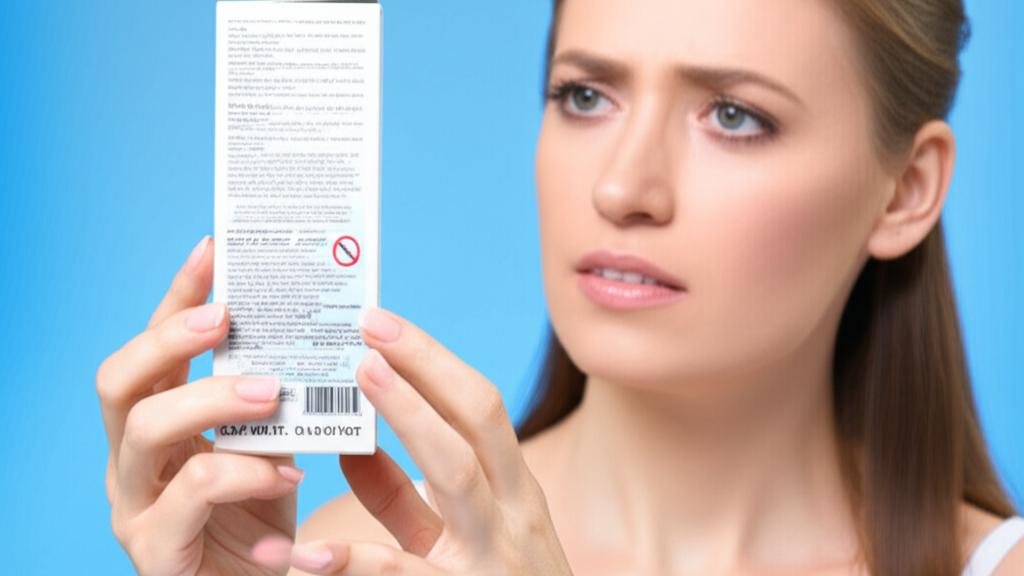
Millions of people around the world color their hair every single day. You might use hair dye to cover up stubborn gray hairs or to try a brand new, exciting fashion look. We have all stood in front of the bathroom mirror holding an old box of hair dye found tucked away in a drawer. You look at the box and wonder if it is still safe to mix and apply on your head. Perhaps you saved half a bottle from your last touch-up session and want to reuse it today. Is it safe to use expired hair dye, or will it damage your hair and skin? Let us explore the medical facts behind expired hair dyes and how to protect your health.
When beauty products sit in our cupboards for months or years, chemical changes happen inside those containers. Cosmetic manufacturers print expiration dates and symbol codes on packaging for very important safety and performance reasons. Ignoring these guidelines can lead to disappointing color results, severe skin irritation, or unexpected allergic reactions. Understanding what is inside your hair dye bottle helps you make smart choices for your personal care and wellness. Let us break down everything you need to know about expired hair dye in clear, simple terms.
Key Takeaways
- Hair dyes contain active chemicals that degrade, oxidize, and lose potency over time.
- Using expired hair dye often results in poor color payoff or completely unexpected hair shades.
- Old formulas can trigger severe contact dermatitis, scalp burns, and unexpected allergic reactions.
- Never save or reuse hair dye once the colorant and developer have been mixed together.
- Always perform a patch test on your skin 24 to 48 hours before applying any hair dye.
BMI Calculator
Know your body mass index (BMI) and weight classification
What Are Hair Dyes Actually Made Of?
Hair dye is not just simple colored water poured over your strands. It is a complex mixture of various chemical compounds designed to alter your natural hair pigmentation. Depending on the type of color you want to achieve, these chemical formulas vary greatly. At its core, permanent hair dye works through a series of controlled chemical reactions.
Understanding these primary ingredients helps explain why expiration dates matter so much. Let us examine the main chemical components found in most standard hair dye kits:
- Ammonia: This alkaline chemical swells the outer cuticle layer of your hair shaft. Opening these microscopic pores allows the color molecules to penetrate deeply. Ammonia also raises the pH level of the mixture to spark the necessary chemical reaction.
- Hydrogen Peroxide: This is a powerful oxidizing agent commonly used for bleaching and disinfection. In hair dye, it strips away your natural hair pigment to create a blank canvas for the new shade.
- Paraphenylenediamine (PPD): This organic compound is colorless on its own in a pure state. When it combines with hydrogen peroxide, it undergoes rapid oxidation to form rich color pigments.
These active ingredients rely on a delicate chemical balance inside the bottle. When the product sits on a store shelf or in your home for too long, this balance breaks down. That chemical degradation is why old hair products stop working the way they were designed to work.
Do Hair Dyes Really Expire?
Yes, hair dyes definitely expire over time. The active chemical compounds inside the tubes and bottles do not last forever. As months and years pass, these ingredients lose their chemical potency or slowly evaporate through microscopic openings in the packaging.
Consider what happens to hydrogen peroxide as it ages on a shelf. Over time, the extra oxygen molecule in hydrogen peroxide breaks apart and escapes into the air. What remains inside the bottle turns into plain, inactive water. When you mix that degraded developer with your color cream, it cannot lift your natural hair color.
This exact chemical breakdown is why expired hair dye fails to give you the color you want. Sometimes your hair will not absorb any color at all. In other cases, you might end up with strange, brassy, or completely unpredictable hair shades that look nothing like the picture on the box.
Cosmetic manufacturers typically print two distinct types of expiration guides on their product packaging:
- Shelf-Life Expiration Date: This date appears on the outer cardboard box or printed directly on the bottle. It tells you how long an unopened product remains stable and effective under normal storage conditions. Using an unopened product past this date means you risk poor performance and degraded ingredients.
- Period After Opening (PAO) Symbol: This symbol appears as a tiny open jar graphic accompanied by a number and the letter 'M'. For example, if you see '12M' printed on the tube, it means you should discard the product 12 months after opening it for the first time.
Once you mix the hair dye colorant and the developer together in a bowl or applicator bottle, a ticking clock begins. You must use that mixed solution right away on your hair. Never save leftover mixed hair dye for a future touch-up session because ongoing chemical reactions make it unstable and potentially harmful.
Are Hair Dyes Dangerous to Your Body?
When used correctly following all manufacturer instructions, hair dye is generally considered safe for healthy adults. However, many people have sensitive skin that reacts poorly to these harsh chemicals. If you apply expired products or ignore safety guidelines, you increase your risk of having uncomfortable and sometimes dangerous health issues.
Let us examine the primary health risks associated with hair dye use:
| Potential Side Effect | Clinical Description & Details |
|---|---|
| Contact Allergies & Dermatitis | Harsh chemicals can trigger allergic contact dermatitis on your scalp, forehead, neck, and hands. Symptoms include severe redness, intense itching, painful rashes, scaling, and sometimes temporary hair shedding. PPD is the most frequent culprit behind these immune reactions. |
| Asthma & Respiratory Irritation | Strong chemical fumes like ammonia irritate your delicate airway passages. Inhaling these fumes can trigger coughing fits, shortness of breath, or an acute asthma attack. Always color your hair in a well-ventilated room to protect your lungs. |
| Accidental Poisoning | Hair dye is strictly meant for external application on head hair only. Swallowing hair dye products causes acute systemic poisoning that can damage your digestive tract. This requires immediate emergency medical evaluation at your nearest hospital Emergency Department. |
| Endocrine & Hormone Concerns | Some laboratory studies suggest that certain chemical compounds in hair dyes may interact with hormonal pathways. Researchers continue to study how prolonged exposure affects human thyroid function and cellular development over many years. |
What Does Current Research Say About Cancer Risk?
The potential link between hair dye use and cancer remains a frequent topic of discussion among medical researchers and public health organizations worldwide. Because millions of people dye their hair regularly, understanding long-term safety is a top priority for institutions like the National Institutes of Health (NIH) and the World Health Organization (WHO).
Studies investigating breast cancer suggest that frequent, long-term exposure to certain permanent hair dyes may slightly elevate risk factors in specific populations. Similarly, researchers have explored potential connections to bladder cancer and blood cancers such as leukemia and non-Hodgkin lymphoma. However, current epidemiological evidence remains complex and sometimes contradictory. Most regulatory health agencies conclude that standard personal use does not pose an overwhelming danger, but moderation and safe handling remain vital.
When to Seek Emergency Medical Attention
Most mild skin irritation settles quickly with gentle washing, but certain severe symptoms require urgent medical care. Call 911 (US/Canada), 999 (UK), or go to your nearest Emergency Department (ER / A&E) right away if you experience:
- Sudden swelling of your face, lips, tongue, or throat making it hard to breathe or swallow.
- Severe blistering, oozing chemical burns, or open sores across your scalp and forehead.
- Accidental ingestion or swallowing of any hair dye formula by a child or adult.
- Anaphylactic shock symptoms including dizziness, rapid pulse, and widespread hives.
How Can You Use Hair Dye Safely at Home?
Taking simple precautions before and during your hair coloring routine minimizes your risk of having adverse health effects. Protecting your skin, eyes, and respiratory system ensures a safe and pleasant cosmetic experience.
Follow these essential safety steps every time you color your hair:
- Read and strictly follow all manufacturer instructions printed inside the product box.
- Perform a patch test 24 to 48 hours before your full application. Dab a tiny amount of the mixed dye onto the inside of your elbow or behind your ear. If you notice redness, burning, or itching during that time, wash it off and do not use the product.
- Never attempt to dye your eyelashes or eyebrows at home. Eyebrow and eyelash tinting requires specialized professional products and extreme caution to prevent permanent eye damage or blindness.
- Never leave hair dye on your head longer than the maximum time recommended in the instruction leaflet.
- Rinse your scalp and hair thoroughly with clean water until all chemical residue washes away completely.
- Always wear protective gloves provided in the kit to prevent chemicals from absorbing through your hands.
- Never mix different brands or leftover formulas together in a single bowl.
- Store all hair care chemicals securely out of reach of young children and household pets.






No comments yet. Be the first to share your question or experience below.