
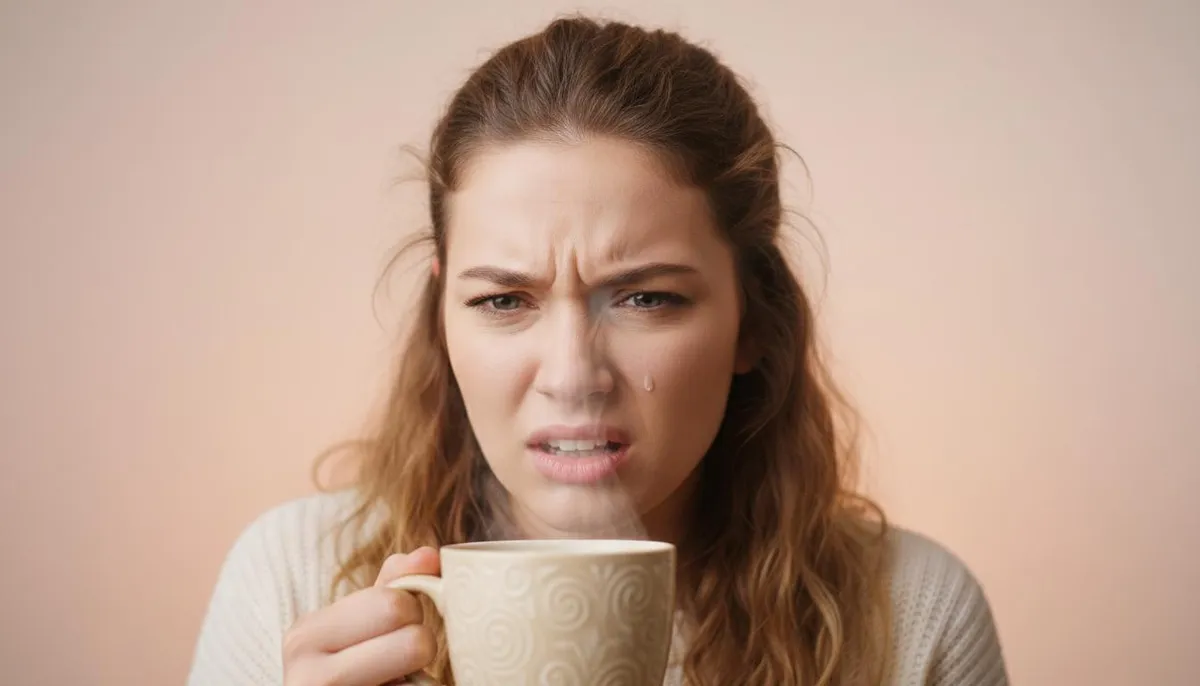
Have you ever noticed that your morning coffee suddenly smells like garbage, or you smell cigarette smoke when no one is around? This sudden change or distortion in how you perceive smells can be a very frustrating and unsettling daily experience. Today, we are going to talk about a medical condition called dysosmia, which affects how your nose and brain process everyday scents.
Smell plays a huge role in your daily life, from enjoying your favorite meals to keeping you safe by detecting smoke or spoiled food. When your smell system gets confused, it can impact your appetite, your mood, and your overall quality of life. Let us walk through what dysosmia is, why it happens, and what you can do to find relief.
Key Takeaways
- Dysosmia is a medical term for a distorted or altered sense of smell.
- It includes parosmia (pleasant smells turning foul) and phantosmia (smelling odors that are not there).
- Common triggers include viral infections like COVID-19, sinus issues, head injuries, and certain medicines.
- Many people recover over time, especially with smell retraining therapy and guidance from your doctor.
What Is Dysosmia?
Simply put, dysosmia is any change or distortion in your sense of smell. Instead of perceiving aromas the way you normally do, your brain receives mixed or distorted signals from your nasal receptors. This condition generally falls into two main categories that affect your daily experiences in different ways.
To help you understand the differences clearly, take a look at the summary table below:
| Type | What Happens / Common Example |
|---|---|
| Parosmia | What Happens: A familiar smell changes into a distorted, often unpleasant odor. Common Example: Your favorite coffee aroma suddenly smells like chemical fuel or gasoline. |
| Phantosmia | What Happens: You perceive a smell in your environment when nothing is actually there. Common Example: Smelling rotting garbage, smoke, or ammonia when the room is completely clean. |
Are There Other Smell Problems?
Yes, alongside dysosmia, doctors recognize a few other distinct conditions related to how your nose detects scents. Knowing these terms helps you explain your exact symptoms to your doctor during a visit.
- Anosmia: A complete loss of your ability to smell anything at all.
- Hyposmia: A partial reduction or weakening in your sensitivity to smells.
Did you know? Your sense of smell and your sense of taste share a very close partnership. When your smell receptors malfunction, your taste perception often changes right along with them. Related taste conditions include ageusia (complete loss of taste), dysgeusia (distorted taste), and hypogeusia (reduced taste sensitivity).
COVID-19 and Its Connection to Smell Disorders
Yes, there is a very strong connection. Following viral infections like COVID-19, many people experience lingering dysosmia or parosmia. You or someone you know may have gone through this exact recovery phase after catching the virus.
Many people who recover from COVID-19 report that once-pleasant foods, perfumes, and coffees suddenly smell like rotting eggs, spoiled meat, or burnt toast. While this symptom is deeply unpleasant and can make eating difficult, doctors want you to know that it is often a sign your neural pathways are slowly trying to heal and reconnect.
How Long Does Dysosmia Last?
Recovery time varies widely from person to person. Some people notice their symptoms disappear within a week or two. This others may struggle with altered smells for several months.
In most cases, this condition is not permanent. However, in rare situations, severe nerve damage can lead to longer-lasting changes. How long dysosmia lasts depends entirely on the underlying root cause of the issue. For instance, post-viral dysosmia might resolve in a few weeks, while nerve injuries may take much longer.
Common Causes of Dysosmia
A distorted sense of smell is rarely caused by just one single factor. Medical professionals look at a wide range of potential triggers when trying to find out why your smell perception changed.
| Potential Cause | Simple Explanation |
|---|---|
| Viral Infections | Common colds, influenza, and especially COVID-19 attacking olfactory nerves. |
| Sinus Infections | Inflammation and bacterial buildup in nasal passages blocking airflow. |
| Nasal Polyps | Small, non-cancerous growths inside your nasal passages or sinuses. |
| Head Injuries | Trauma to the head that damages delicate olfactory nerve pathways. |
| Neurological Conditions | Conditions like Parkinson disease that affect central nervous system function. |
| Smoking | Tobacco smoke directly irritates and damages delicate sensory receptors. |
| Medicines | Certain blood pressure drugs and cholesterol medicines (like Lipitor or Norvasc). |
| Cancer Treatments | Radiation therapy or chemotherapy affecting sensitive mucosal tissues. |
What Are the Treatment Options?
In many cases, mild dysosmia will resolve on its own without needing any medical treatment. However, if your symptoms persist or interfere with your eating habits, your doctor will tailor a treatment plan based on the root cause.
- If the trigger is a bacterial sinus infection, your doctor may prescribe antibiotic medicine to clear the inflammation.
- If nasal polyps are blocking your scent receptors, a doctor may recommend medical sprays or surgical removal.
Also, many ear, nose, and throat (ENT) specialists recommend a technique called smell retraining therapy (SRT). This practice involves sniffing four distinct, strong essential oils—such as lemon, rose, clove, and eucalyptus—for about 20 seconds each, twice a day for several months. This gentle routine helps retrain your brain to identify and process aromas correctly. Ask your doctor if smell training is right for you.
When Should You See a Doctor?
Knowing when to seek professional medical advice is essential for your long-term health. If your altered sense of smell lasts for more than one or two weeks, you should schedule an appointment with your doctor.
Do not simply ignore persistent smell changes. Because distorted smell can sometimes signal underlying neurological issues, sinus conditions, or medicine side effects, getting a proper professional evaluation helps rule out serious health concerns and gets you on the path to recovery.
When to Seek Emergency Help
If your smell distortion comes on suddenly alongside severe confusion, sudden weakness on one side of your body, severe head injury, or trouble speaking, call 911 (US/Canada), 999 (UK), or go to your nearest Emergency Department (ER / A&E) right away.
💡 Take-Home Message
Dysosmia is a condition where your sense of smell becomes distorted, turning familiar aromas into unpleasant smells (parosmia) or creating false phantom odors (phantosmia).
Common triggers include COVID-19, sinus infections, head trauma, smoking, and certain prescription drugs. While many cases resolve naturally, seeing a doctor is important if symptoms last longer than two weeks.
Simple techniques like smell retraining therapy can help restore normal scent recognition over time. Always consult your doctor to identify the exact cause and get personalized guidance.





No comments yet. Be the first to share your question or experience below.