
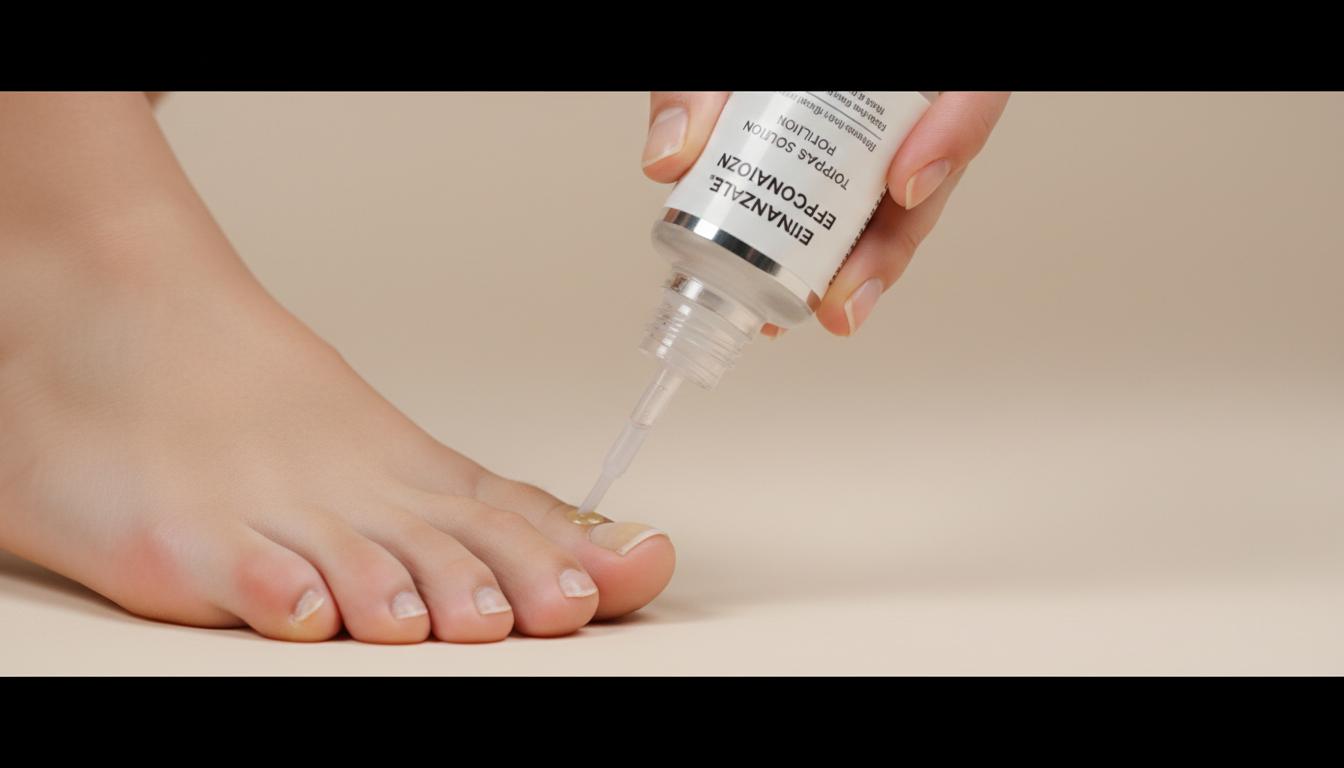
Have you ever noticed your toenails turning a strange yellow color, becoming thick, or breaking easily? If so, you are not alone because this is a very common and frustrating issue for many people. The main cause behind these changes is often a stubborn fungal infection hiding right under or inside your nail. When dealing with this type of stubborn problem, doctors often recommend a special prescription liquid medicine called Efinaconazole.
Dealing with nail fungus can feel like an endless battle, especially when over-the-counter creams fail to work. Understanding how your prescription medicine works gives you the confidence to complete your treatment properly. Let us walk through everything you need to know about using Efinaconazole safely and effectively for healthier feet.
Key Takeaways
- Efinaconazole is a prescription liquid medicine applied directly to your toenails to fight fungal infections from the outside.
- It is strictly for external use on your nails and must never be swallowed by mouth.
- You must finish the entire treatment course prescribed by your doctor, even if your nails look much better halfway through.
- Keep the liquid away from open flames and cigarettes because it is flammable.
- Avoid wearing nail polish or getting pedicures while treating your toenails with this medicine.
Renal function (eGFR)
Measure kidney function based on creatinine value
What is Efinaconazole?
Simply put, Efinaconazole is a powerful prescription antifungal medicine. It is specially formulated to target and destroy specific types of fungi that grow and thrive on your toenails.
The most important thing to remember is that this is not a pill you swallow. It is a clear liquid solution that you paint directly onto your nail. Because it works from the outside, it treats the affected nail directly without traveling through your entire body in the same way oral pills do.
You might also see this medicine sold under the brand name Jublia. Sometimes your doctor may prescribe it for other similar nail conditions based on your medical evaluation. If you have any questions about your prescription, always ask your doctor or pharmacist for clear guidance.
What to Tell Your Doctor Before Using This Medicine
Before your doctor prescribes Efinaconazole, they will ask you a few important questions about your health history. You must share accurate details to ensure this treatment is completely safe for you.
Tell your doctor right away if you have any allergies. This includes allergies to Efinaconazole, other medicines, specific foods, dyes, or chemical preservatives used in everyday products.
You should also inform your doctor if you are pregnant, planning to become pregnant soon, or currently breastfeeding your baby. Sharing this information helps your medical team protect both you and your child during treatment.
Based on these details, your doctor will decide whether this topical liquid is the right choice for your specific health needs. Never start a new prescription without discussing your full medical background first.
How to Use This Medicine Correctly
Getting the best possible results from your treatment requires following application instructions very carefully every single day. Consistency is the secret to clearing stubborn nail fungus for good.
First, practice good hand hygiene. Wash your hands thoroughly with soap and water both before and after you apply the liquid medicine to your toes.
Remember that this product is meant for external use only. Make sure you never swallow it by mouth under any circumstances.
Apply the liquid using the special brush applicator that comes attached inside the bottle cap. Cover the entire infected toenail completely, and let the liquid reach right up to the edges. Allowing a little bit of the liquid to touch the surrounding skin is generally fine, but focus mainly on the nail plate.
Complete your full treatment course without stopping early. Many people make the mistake of stopping early because their nails start looking better after a few weeks. If you stop too soon, the fungus can easily return and force you to start all over again.
Doctors sometimes prescribe this solution for children who are six years old or older. If you are applying this treatment to a child, make sure you follow your pediatrician's exact safety instructions and dosage guidelines.
What to Do If You Miss a Dose
Everyone forgets things from time to time during a busy daily routine. If you forget to apply your medicine, put it on your nail as soon as you remember.
However, if it is almost time for your next scheduled application, skip the missed dose entirely. Simply continue with your normal routine for the next application.
Never try to make up for a missed application by putting on a double dose. Using extra medicine will not speed up your healing and may cause skin irritation.
Important Precautions While Using This Medicine
Managing your treatment successfully requires taking a few simple daily precautions to protect your skin and maximize your results.
Keep the liquid away from your eyes at all times. If the liquid accidentally splashes into your eye, stay calm and rinse your eyes gently with clean running water for several minutes.
Wait for at least ten minutes after taking a bath or shower before you apply the solution. Drying your feet and toenails completely is vital because fungi love damp, warm environments.
Prevent future infections by wearing clean cotton socks every day. Synthetic fabrics trap sweat against your skin, creating a welcoming home for fungi. Avoid walking barefoot in public areas like gym locker rooms or public pools.
Stop using nail polish, artificial nails, or getting pedicures while you are undergoing this treatment. These cosmetic products trap moisture and block the medicine from penetrating deep into the nail.
Contact your doctor promptly if your symptoms do not improve after several weeks or if your condition seems to get worse instead of better.
Possible Side Effects
Like all prescription medicines, Efinaconazole can cause side effects in some people. This many users experience no problems at all. Knowing what to watch for helps you stay safe.
| Side Effect Category | What to Look For | Recommended Action |
|---|---|---|
| Severe Allergic Reactions | Skin rash, hives, swelling of your face, lips, tongue, or throat. | Get emergency medical help right away. Call 911 (US) or 999 (UK). |
| Ingrown Toenail | Nail growing into the surrounding skin, causing pain, redness, and swelling. | Contact your doctor or visit a podiatrist for proper care. |
| Mild Skin Irritation | Mild redness, burning, or itching right where you applied the liquid. | Inform your doctor if this mild irritation continues or bothers you. |
If you notice any unusual symptoms that are not listed here, consult your doctor right away for guidance.
What to Do in Case of Overdose and How to Store Your Medicine
What to Do If You Use Too Much
If you accidentally spill or apply too much of this liquid, do not panic. Wipe away any excess solution with a clean tissue and wash your skin with soap and water.
If someone accidentally swallows this medicine by mouth, take them to the nearest hospital emergency department (ER) right away. You can also call your local poison control center (like 911 in the US or 111 in the UK) for fast professional advice.
Storage Instructions
Store your medicine safely out of the reach of children and pets at all times. Children are naturally curious about bottles and brushes.
Keep the bottle at normal room temperature, ideally between 20°C and 25°C (68°F to 77°F), away from extreme heat or freezing cold.
Always keep the liquid inside its original prescription bottle tightly closed when you are not using it. Safely throw away any expired or leftover medicine according to local pharmacy guidelines.
Most importantly, remember that this solution is flammable. Keep it far away from open flames, kitchen stoves, heaters, and lit cigarettes while applying it.
Never share your prescription medicine with friends or family members, even if they have similar nail symptoms. What works safely for you might harm someone else.
💡 Take-Home Message
Clearing toenail fungus takes patience, daily care, and consistency. Here are the core points to keep in mind:
- Efinaconazole is a prescription liquid applied externally to toenails and must never be swallowed by mouth.
- Always complete the entire treatment course recommended by your doctor, even when your nails start looking clearer.
- Avoid wearing nail polish, artificial nails, or getting pedicures while treating your fungal infection.
- Watch for signs of allergic reactions or ingrown toenails, and contact your doctor right away if they occur.
- Keep this flammable liquid away from open flames and store it safely out of the reach of children.
When to Call the Doctor or Seek Emergency Help
Seek emergency medical care right away by calling 911 (US/Canada), 999 (UK), or heading to your nearest Emergency Department (ER / A&E) if you experience signs of a severe allergic reaction, such as:
- Sudden trouble breathing or wheezing.
- Severe swelling of your face, lips, tongue, or throat.
- Widespread hives or severe blistering skin rashes across your body.
Call your regular doctor promptly if your toenail infection spreads, becomes severely painful, or shows no signs of improvement after several weeks of consistent treatment.






No comments yet. Be the first to share your question or experience below.