
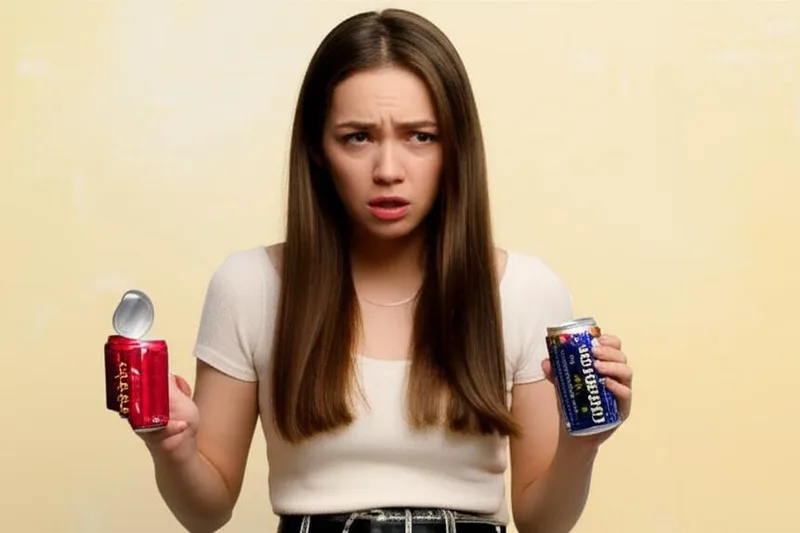
When you go to a store, do you feel like drinking energy drinks in beautiful, colorful cans? There are many of us who drink these drinks thinking that they will 'energize us', 'make us sleepy', or 'help us focus better at work'. But what is really inside this beautiful can? How good are these for our bodies? Are they bad? Let's talk about this today.
What are these Energy Drinks?
Simply put, these are drinks sold as dietary supplements that claim to instantly boost your mental and physical energy. The problem is, some of these drinks contain very high amounts of caffeine . This can lead to symptoms that can be life-threatening.
The most important thing is that these so-called Energy Drinks are not products approved by any recognized organization like the FDA in the United States. This means that manufacturers are free to add whatever they want to these drinks. Because of this, there are reports every day of patients suffering from serious side effects after drinking these. Sometimes, a person can even suffer from serious conditions like stroke, liver or kidney failure. Therefore, it is very important to know these facts before sipping on such a drink.
What are the main types of energy drinks?
Energy drinks can be mainly divided into two types.
- Regular Energy Drinks (Classic energy drinks): These are the kind that come in regular-sized cans or bottles that we see in stores.
- Energy Shots: These are very strong, highly concentrated drinks. They come in very small bottles, about 60-75 milliliters.
Although both types contain the same ingredients, an energy shot contains those ingredients in a much higher concentration. Therefore, the effect is greater.
What do these drinks actually contain?
If you look at the label of an energy drink, you'll see these things. Let's take a look at what each of them does to your body.
| Ingredients | What you need to know about it |
|---|---|
| Caffeine | The main stimulant in these. A typical energy drink can contain anywhere from 70 to 240 milligrams of caffeine. An energy shot can contain around 100-200 mg. The maximum amount of caffeine that an adult should consume per day is only 400 mg . That's about 2-3 cups of coffee. So a large portion of this amount goes into the body with one drink. |
| Sugar | Sugar is the main source of energy. However, some energy drinks can contain up to 12 teaspoons of sugar (about 200 calories). That means you get all your daily sugar intake in one drink. This is very harmful for people with diseases like diabetes. |
| Taurine | This is an amino acid that is naturally produced in our bodies. It helps with energy metabolism in the body. However, when taken in high doses, it can affect the heart and nervous system, cause dehydration, and cause restlessness and insomnia. |
| Guarana | This is an extract from the seeds of a plant. It also contains caffeine. The problem is, when combined with caffeine, the risk of side effects increases. Things like jitteriness, palpitations, and anxiety can occur. |
| Other ingredients | L-carnitine: Helps convert fat into energy. However, high doses can cause problems like diarrhea. It can also interact with some medications (thyroid hormones, valproic acid for epilepsy, blood thinners). B vitamins: Help convert food into energy. But we usually get enough B vitamins from food. When taken in excess, most of them are excreted in the urine. However, taking too much of a vitamin like B6 in the long term can damage the nerves. |
What happens to your body when you drink an energy drink?
It's true that drinking an energy drink can give you an instant boost of energy. That's because of the sugar and caffeine it contains. But it can also cause a number of side effects.
The most common symptoms are a racing heart and just feeling nauseous . In addition, these things can also occur.
- Feeling uneasy
- Insomnia
- Becoming cranky
- Headache
- Tremors
- Stomach upset, nausea, or diarrhea
If you have a condition like epilepsy, a stimulant like this can cause sudden symptoms. Also, someone with high blood pressure is at higher risk of stroke.
Why do I feel tired after drinking an energy drink?
This is something that happens to many people. Once the high sugar and caffeine levels are digested and absorbed by the body, their effects wear off. This is called a “crash.” Your blood sugar levels suddenly drop, and your brain function slows down. You start to feel more tired and sleepy than usual.
It's like a vicious cycle. You drink more energy drinks to get rid of your fatigue. Over time, your body gets used to the amount you drink (caffeine tolerance), so you don't feel the energy anymore. Then you feel like drinking more. This only increases your health problems. If you feel tired all the time, the best thing to do is to see your doctor and talk about it.
Are Energy Drinks Really Bad for the Body?
Yes, these can be very dangerous for some people.
How do these affect the heart?
Too much caffeine and other stimulants can cause your heart rate and blood pressure to rise unnecessarily. Your heartbeat may also become irregular.
"Even if you're young and healthy, one drink can push your heart rate to dangerous levels," doctors warn.
Very rarely, there have been reports of sudden cardiac arrest caused by energy drinks. Most of the time, these events occur in people who were unaware that they had an undiagnosed heart condition.
Things to know about security
The dangers of mixing with alcohol
This is never a good thing to do. The caffeine in energy drinks can dull the effects of alcohol. This can lead to you drinking too much alcohol without even realizing it. Here are some things you can do:
- Binge drinking
- Unprotected sexual behavior
- Injury incidents
- Driving under the influence or traveling with a drunk driver
Who should not drink these?
Doctors say it's best for everyone to avoid these foods. However, the following people should definitely avoid them.
- Children and young adults: They are more susceptible to side effects because their brains and bodies are still developing.
- Women who are pregnant or hoping to become pregnant.
- People with certain medical conditions: (e.g. high blood pressure, heart, liver or kidney disease).
- People who take certain medications regularly.
If you suspect poisoning in children, immediately take them to the nearest hospital Emergency Treatment Unit (ETU). If necessary, you can also call the National Poisons Information Centre at the Colombo National Hospital for advice.
5 Good Alternatives to Energy Drinks
The energy boost from energy drinks is temporary. For long-term results, consider these alternatives.
1. Water: Dehydration is the main cause of fatigue. Drink plenty of water throughout the day. If you want some flavor, add a piece of cucumber or a piece of fruit to your water.
2. Black coffee: A cup of coffee gives you a good boost of energy. It also contains antioxidants that are good for your health. 2-3 cups a day is safe.
3. Green tea: Contains caffeine, L-theanine, and EGCG, which provide a refreshing effect. This is a good alternative for those who feel jittery after drinking coffee.
4. Foods rich in water: About 20% of the water our body needs comes from food. Eat fruits and vegetables like cucumbers, watermelon, tomatoes, and peaches.
5. Foods containing caffeine: Eating chocolate can give you a little energy boost because it also contains caffeine. But eat a small piece of dark chocolate. This can help control unnecessary fat and calories.
Take-Home Message
- Energy drinks are a type of beverage that is produced without any control and may have hidden health risks.
- Excessive caffeine and sugar intake can negatively affect your heart, blood pressure, and overall health.
- Never mix energy drinks with alcohol for any reason. It is very dangerous.
- Children, pregnant women, and people with other medical conditions should completely avoid drinking these.
- If you need energy, choose healthy, safe options like water, coffee, and green tea.
- If you have any concerns about your health or these drinks, talk to your doctor about it.




💬 Comments (0)
No comments yet. Be the first to share your thoughts here.
Add Your Comment