

Imagine eating a nutritious meal—a bowl of whole grains, grilled fish, and fresh vegetables—only for your body to be completely unable to extract energy, amino acids, or essential fats from it. Without biological catalysts, digesting a single meal would take years, nerve impulses would stall, and your cells could not replicate DNA. Every breath, heartbeat, muscle contraction, and detoxification process relies on specialized proteins known as enzymes. When these molecular engines run smoothly, human physiology thrives unnoticed; when even one fails or goes missing, systemic health unravels rapidly.
Key Clinical Takeaways (Quick Summary).
- Biological Catalysts: Enzymes accelerate biochemical reactions millions of times without being consumed or permanently altered in the process.
- Exquisite Specificity: Operating via the classic "lock-and-key" and modern "induced fit" models, each enzyme binds only to its targeted substrate at an active site.
- Temperature and pH Vulnerability: Extreme physiological shifts (e.g., hyperpyrexia > 40.0°C / 104.0°F or severe acidosis with pH < 7.35) cause protein denaturation, halting metabolic functions.
- Deficiencies Cause Serious Pathology: Missing or defective enzymes cause disorders ranging from common conditions like lactose intolerance to life-threatening inborn errors of metabolism like phenylketonuria (PKU) and Tay-Sachs disease.
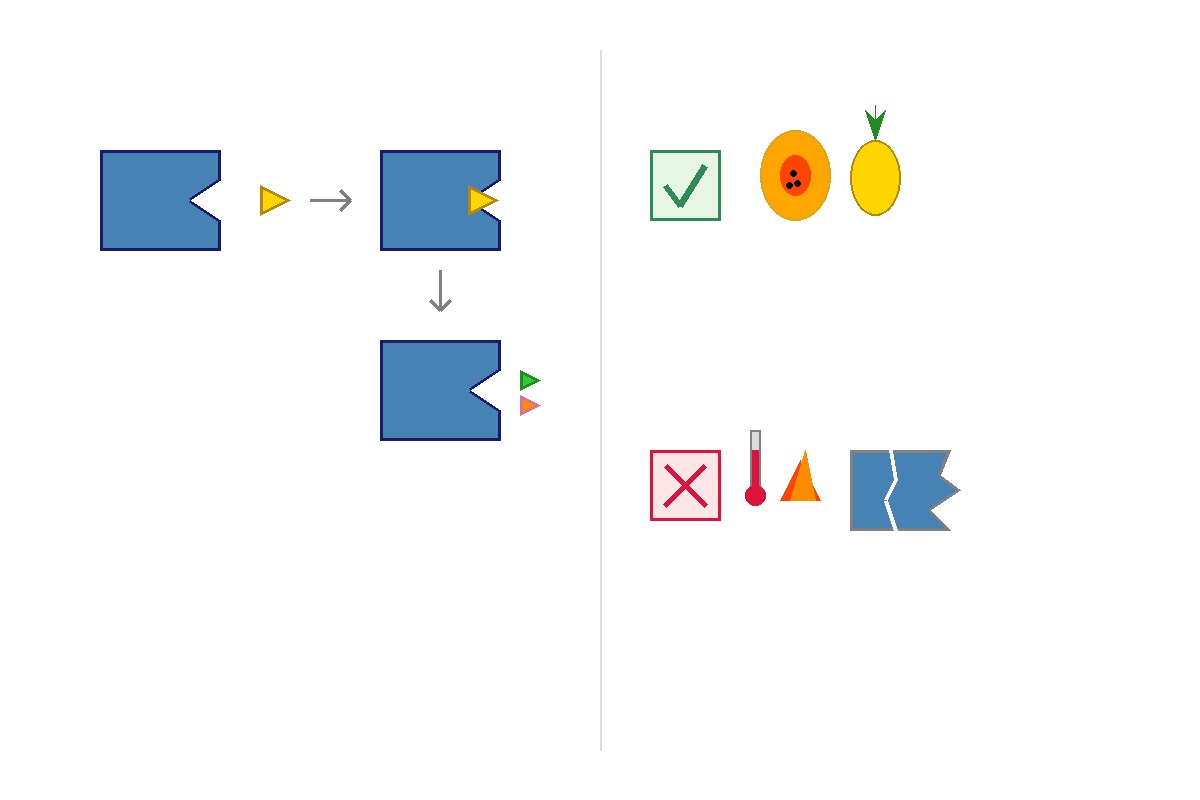
What Are Enzymes? Molecular Mechanism and how it happens.
Enzymes are specialized, complex globular proteins (and in rare instances, catalytic RNA molecules termed ribozymes) produced natively inside cells. They function as biological catalysts by lowering the activation energy ($E_a$) necessary for biochemical reactions to proceed, accelerating vital metabolic processes by factors of $10^6$ to $10^{12}$.
The Induced Fit and Catalytic Cycle.
While historically illustrated by Emil Fischer's rigid "lock-and-key" model, modern biochemistry describes enzyme action through Daniel Koshland's induced fit model:
- Substrate Binding: A specific reactant molecule (the substrate) approaches the enzyme's cleft-like active site.
- Conformational Change: The enzyme undergoes dynamic structural shifts, wrapping tightly around the substrate to stabilize the transition state.
- Chemical Conversion: Catalytic amino acid residues break or forge covalent bonds, converting substrates into end products.
- Product Release and Regeneration: The newly formed products detach, leaving the enzyme completely unchanged and available to catalyze the next incoming substrate right away.
The Threat of Denaturation.
Because enzymes are tertiary and quaternary folded polypeptide chains stabilized by hydrogen bonds, ionic interactions, and disulfide bridges, their three-dimensional conformation is fragile. When body temperature rises dangerously (malignant hyperthermia or severe sepsis > 41.0°C / 105.8°F) or the arterial blood pH deviates beyond homeostatic limits (normal: 7.35–7.45), the active site warps irreversibly. This process, known as denaturation, abolishes catalytic capacity and can trigger multisystem organ failure.
⚠️ Emergency Red Flags: When to Seek Immediate Emergency Medical Care.
Certain enzyme-related disorders and acute enzyme surges represent life-threatening medical emergencies. Call 911 (US/Canada), 999 (UK), or proceed directly to your nearest Emergency Department (ER / A&E) if you or a family member develop:
- Acute, Agonizing Epigastric Pain: Severe mid-abdominal pain radiating directly through to the back, paired with intractable vomiting and rapid heart rate (suggesting acute pancreatitis with premature autodigestion by pancreatic enzymes).
- Infant Metabolic Collapse: A newborn exhibiting sudden lethargy, refusal to feed, intractable vomiting, floppiness (hypotonia), or seizures within days of milk introduction (signs of classic galactosemia, urea cycle defect, or severe metabolic acidosis).
- Sudden Hemolytic Crisis: Rapid onset of dark "Coca-Cola" colored urine, extreme pallor, shortness of breath, and jaundice following exposure to fava beans or certain antibiotics (indicating acute hemolysis in Glucose-6-Phosphate Dehydrogenase / G6PD deficiency).
- Signs of Acute Liver Failure: Rapid yellowing of the sclera/skin (jaundice), abdominal swelling, confusion, or asterixis (flapping tremors), indicating massive transaminase release and hepatic necrosis.
Essential Enzymes: How They Keep the Human Body Alive.
The human body synthesizes thousands of distinct enzymes, categorized into six primary functional classes: oxidoreductases, transferases, hydrolases, lyases, isomerases, and ligases. Clinically, several play prominent daily roles:
1. Digestive Hydrolases.
- Amylase (Salivary & Pancreatic): Cleaves complex starches (amylose and amylopectin) into maltose and dextrins. Digestion starts in the oral cavity and concludes in the duodenum.
- Lipase (Gastric & Pancreatic): Hydrolyzes dietary triglycerides into free fatty acids and glycerol, dependent upon emulsification by liver bile salts.
- Proteases (Pepsin, Trypsin, Chymotrypsin): Pepsin initiates protein degradation in the acidic gastric lumen (pH 1.5–2.0), while trypsin and chymotrypsin continue breakdown in the alkaline duodenum (pH 7.5–8.0).
- Lactase: A brush-border enzyme anchored in the microvilli of the small intestine that cleaves lactose into readily absorbable glucose and galactose.
2. Metabolic and Organ-Specific Enzymes.
- Creatine Kinase (CK): Phosphorylates creatine to generate phosphocreatine, an essential rapid-energy reservoir for skeletal muscle and myocardium.
- Transaminases (ALT & AST): Alanine aminotransferase (ALT) and Aspartate aminotransferase (AST) transfer amino groups, central to gluconeogenesis and hepatic protein turnover.
- Thrombin: A serine protease that converts soluble fibrinogen into insoluble strands of fibrin, forming the clear hemostatic mesh during blood clotting.
- DNA Polymerase: Synthesizes complementary deoxyribonucleotide strands with high proofreading fidelity during cellular replication and tissue repair.
- G6PD (Glucose-6-Phosphate Dehydrogenase): Generates NADPH within erythrocytes, maintaining reduced glutathione levels to shield red blood cell membranes from oxidative destruction.
Clinical Conditions and Pathologies Caused by Enzyme Dysfunction.
When an enzyme is congenitally absent, genetically malformed, or pathologically suppressed, toxic substrates accumulate upstream while vital end-products dwindle downstream:
Common Digestive Deficiencies.
- Lactase Deficiency (Lactose Intolerance): Diminished brush-border lactase synthesis causes unabsorbed lactose to reach the colon, where bacterial fermentation produces methane, hydrogen, and osmotic diarrhea.
- Exocrine Pancreatic Insufficiency (EPI): Secondary to cystic fibrosis, chronic pancreatitis, or pancreatic resection. Inadequate amylase, lipase, and protease secretion leads to steatorrhea (pale, foul-smelling, floating stools), fat-soluble vitamin malabsorption (A, D, E, K), and involuntary weight loss.
Inborn Errors of Metabolism (Genetic Deficiencies).
- Phenylketonuria (PKU): Deficiency of phenylalanine hydroxylase (PAH) halts conversion of phenylalanine to tyrosine, causing neurotoxic phenylalanine buildup that leads to irreversible intellectual disability and microcephaly unless managed from birth with strict dietary restriction.
- Galactosemia: Lack of galactose-1-phosphate uridylyltransferase (GALT) causes galactose-1-phosphate toxicity, damaging the liver, kidneys, brain, and eyes (early cataracts).
- Tay-Sachs Disease: Absence of the lysosomal enzyme Hexosaminidase A permits toxic accumulation of GM2 gangliosides inside neurons, leading to progressive neurodegeneration, motor regression, blindness, and premature death in early childhood.
- Wilson's Disease: Mutations in the ATP7B gene compromise copper-transporting P-type ATPase, causing toxic copper deposition within hepatocytes, the basal ganglia (neuropsychiatric illness), and the cornea (Kayser-Fleischer rings).
- Gilbert's Syndrome: Reduced activity of UDP-glucuronosyltransferase 1A1 (UGT1A1) impairs bilirubin glucuronidation, presenting with harmless, intermittent, stress-induced unconjugated hyperbilirubinemia and mild jaundice.
Clinical Diagnostics: Laboratory Evaluation of Enzymes.
doctors routinely measure circulating serum enzymes to detect tissue injury, cellular necrosis, or functional organ failure:
| Enzyme Biomarker. | Standard Reference Ranges (US & SI). | Primary Source Tissue. | Clinical Diagnostic Utility. |
|---|---|---|---|
| Serum Lipase. | 0–160 U/L (0–2.67 µkat/L). | Pancreatic acinar cells. | Diagnostic hallmark for Acute Pancreatitis (elevated > 3x upper limit). |
| Alanine Aminotransferase (ALT). | 7–56 U/L (0.12–0.93 µkat/L). | Hepatocyte cytosol. | Highly specific marker for acute and chronic viral hepatitis, toxic liver injury, and NASH. |
| Aspartate Aminotransferase (AST). | 10–40 U/L (0.17–0.67 µkat/L). | Liver, myocardium, skeletal muscle. | Evaluates AST/ALT ratio (De Ritis ratio > 2 indicates alcoholic liver disease or cirrhosis). |
| Creatine Kinase (Total CK). | 30–200 U/L (0.50–3.33 µkat/L). | Skeletal muscle, brain, cardiac tissue. | Massive spikes (> 5x to 100x) indicate Rhabdomyolysis, muscular dystrophies, or severe crush injury. |
| Alkaline Phosphatase (ALP). | 44–147 U/L (0.73–2.45 µkat/L). | Biliary canaliculi, bone osteoblasts. | Identifies biliary obstruction (choledocholithiasis) or elevated bone turnover (Paget's disease). |
Evidence-Based Medical Therapies: Managing Enzyme Deficiencies.
Modern medicine approaches enzyme dysfunctions through targeted replacement, dietary modification, or medicine-based support:
1. Pancreatic Enzyme Replacement Therapy (PERT).
For patients with exocrine pancreatic insufficiency (EPI) due to cystic fibrosis, chronic pancreatitis, or gastrectomy, standard medical management involves FDA- and EMA-approved prescription pancrelipase capsules (such as Creon, Zenpep, or Pancreaze). These enterically coated microtablets withstand gastric hydrochloric acid, dissolving exclusively in the neutral-to-alkaline duodenum to deliver measured units of lipase, amylase, and protease alongside meals.
2. Over-the-Counter Lactase Formulations.
people with hypolactasia can ingest supplemental lactase tablets (derived from fungal fermentation of Aspergillus oryzae or Kluyveromyces lactis) with their first bite of dairy products to hydrolyze lactose in situ, preventing fermentation and associated digestive symptoms.
3. Enzyme Replacement Therapy (ERT) for Lysosomal Storage Disorders.
Biotechnology allows pharmaceutical synthesis of recombinant human enzymes to treat rare, historically fatal inborn errors of metabolism. Recombinant intravenous infusions—such as agalsidase beta for Fabry disease, imiglucerase for Gaucher disease, and alglucosidase alfa for Pompe disease—deliver functional enzymes directly to compromised cells, preventing multi-organ accumulation.
Clinical Do's and Don'ts: Nutritional and Supplemental Guidance.
With thousands of commercial digestive enzyme supplements marketed aggressively online for weight loss, body cleansing, and digestion, clinical discernment is critical.
| Do's (Evidence-Based Clinical Practice). | Don'ts (Practices to Avoid). |
|---|---|
| Do incorporate natural, enzyme-rich whole foods: Fresh papaya (containing papain), pineapple (bromelain), mango, kiwi, and fermented foods provide gentle, natural digestive aids. | Don't rely on over-the-counter enzymes for weight loss: Digestive enzymes do not burn adipose tissue or increase basal metabolic rate; claims suggesting they do lack scientific validity. |
| Do take prescription enzymes (PERT) with the first bite: Pancrelipase must mix thoroughly with chyme inside the stomach and duodenum to digest macronutrients effectively. | Don't crush or chew enterically coated enzyme capsules: Chewing damages the acid-resistant protective barrier, causing enzymes to be destroyed by stomach acid while risking oral mucosal ulceration. |
| Do seek medical evaluation for persistent chronic bloating: Conditions like Celiac disease, Crohn's, and SIBO require specific clinical diagnostic workups rather than blind supplementation. | Don't assume unregulated supplements are safe: Non-prescription enzyme cocktails can trigger severe allergic reactions or interact adversely with prescription medicines (such as blood thinners). |
| Do ensure newborns undergo routine metabolic screening: Universal newborn blood-spot heel prick tests identify asymptomatic PKU and galactosemia within days of delivery. | Don't ignore elevated liver enzymes on routine blood tests: Even mild, asymptomatic elevations in ALT/AST warrant clinical follow-up to evaluate for fatty liver, hepatitis, or medicine-induced toxicity. |
Doctor's Clinical Note: Treat the Root Cause, Not Just the Symptom.
If you regularly experience abdominal pain, bloating, or erratic bowel habits after meals, it is tempting to pick up an over-the-counter bottle of generic "digestive enzymes" from the supermarket shelf. While lactase tablets for dairy sensitivity are safe and helpful, generalized enzyme supplementation often acts as a temporary distraction that masks underlying medical conditions. Chronic maldigestion can stem from small intestinal bacterial overgrowth (SIBO), celiac disease, inflammatory bowel disease, or gallstones. Rather than self-medicating, consult your doctor. Through targeted serum testing, stool elastase measurements, and breath tests, we can pinpoint precisely which metabolic pathways require support and design a safe, evidence-based treatment plan.


💬 Comments (0)
No comments yet. Be the first to share your thoughts here.
Add Your Comment