

Facing a cancer diagnosis is never easy, and it is completely normal to feel overwhelmed when your doctor prescribes a new medicine like Etoposide (VP-16). You might have many questions about how this medicine works, what to expect each day, and how to stay safe while taking it. Please remember that you are not alone in this journey, and your medical team is here to support you every step of the way.
This complete patient guide translates complex medical information into clear, simple language. We will explore everything you need to know about taking Etoposide capsules safely, managing side effects, protecting your immune system, and knowing when to call your doctor right away for urgent medical care.
Key Takeaways About Etoposide Capsules
- Purpose: Etoposide is a chemotherapy drug designed to target and destroy abnormal cancer cells in your body.
- Handling With Care: Never crush, chew, or open the capsules; always wear gloves when handling them to protect your skin.
- Infection Awareness: This medicine lowers your white blood cell count, making it vital to avoid sick people and report fevers right away.
- Strict Birth Control: Effective contraception is mandatory during treatment and for several months afterward due to risks to unborn babies.
- Open Communication: Always report unusual bleeding, severe nausea, or allergic symptoms to your doctor without delay.
Know your body mass index (BMI) and weight classification
What Is Etoposide and How Does It Work?
Put simply, Etoposide (VP-16) is a type of chemotherapy medicine that helps destroy cancer cells. Doctors commonly prescribe it to treat specific types of cancer, such as small cell lung cancer. In some cases, your doctor may also recommend it for other types of cancer depending on your specific diagnosis and medical history.
Because every treatment plan is unique, you might wonder why this exact medicine was chosen for you. If you have questions about your specific condition or treatment goals, do not hesitate to ask your doctor or pharmacist. They can explain how Etoposide fits into your overall cancer care plan.
Important Things to Tell Your Doctor Before Starting
Before you take your very first dose of Etoposide, you must share your complete medical history with your healthcare team. Giving your doctor accurate information helps them keep you safe throughout your treatment.
Be sure to tell your doctor right away if any of the following apply to you:
- You currently have any infection, such as a fever, cough, or cold.
- You have kidney disease or reduced kidney function.
- You have liver disease or reduced liver function.
- You have low blood cell counts, such as low white blood cells, red blood cells, or platelets.
- You have ever had an unusual allergic reaction to Etoposide, other medicines, foods, dyes, or preservatives.
- You are pregnant, planning to become pregnant, or trying to start a family.
- You are breastfeeding a baby.
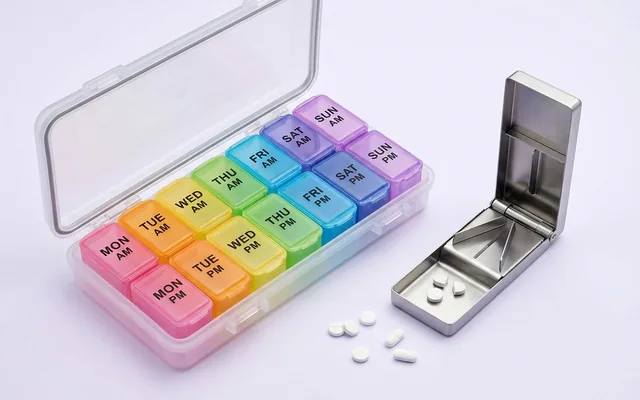
Airtight double-lock weekly medication organizer with removable day pods and a surgical stainless-steel tablet cutter for accurate half-tablet splitting and adherence.
View Clinical Details →How to Take Etoposide Capsules Properly
If your doctor prescribes Etoposide in capsule form, you should swallow the capsules whole with a full glass of water. Always follow your doctor's exact instructions and read the prescription label carefully before taking each dose.
Important Safety Tip:
Never open, crush, chew, or split the capsules. Because this is a powerful chemotherapy medicine, it is recommended to wear protective gloves whenever you handle the capsules to avoid direct skin contact.
Take your medicine at the exact times and doses prescribed by your doctor. Never take more capsules than instructed, take them more often, or stop taking them without talking to your medical team first.
Special Considerations for Children
If Etoposide is prescribed for a child, treatment must be closely supervised by a pediatric cancer specialist. Children require specialized dosing calculations based on their body size, weight, and overall health condition.
What to Do in Case of Overdose
If you suspect that you or someone else has taken too much Etoposide by mistake, act right away. Contact your local poison control center or go to the nearest hospital emergency room right away. Do not wait for symptoms to appear.
Important Reminder
This medicine was prescribed specifically for you based on your medical condition. Never share your medicine with anyone else, even if they have similar symptoms or the same diagnosis.
What to Do If You Miss a Dose
If you accidentally miss a scheduled dose of Etoposide, take it as soon as you remember. However, if it is almost time for your next regular dose, skip the missed dose entirely and return to your normal schedule.
Never take a double dose or extra capsules to make up for a missed one. Taking extra medicine can lead to dangerous side effects and toxicity.
Can Etoposide Interact With Other Medicines?
Yes, certain medicines can interact with Etoposide and change how it works in your body. Drug interactions can increase your risk of severe side effects or make your treatment less effective. Pay special attention to medicines such as cyclosporine and warfarin.
Keep in mind that this is not a complete list of all possible drug interactions. You must provide your doctor with a complete list of everything you take, including prescription drugs, over-the-counter medicines, herbal remedies, vitamins, and dietary supplements.
Also, tell your healthcare team if you smoke tobacco, drink alcohol, or use recreational drugs, as these substances can also interfere with your medical treatment.
Important Precautions During Treatment
Your doctor will want to see you regularly during your treatment to check your progress and run routine blood tests. While taking Etoposide, it is normal to feel some physical discomfort or fatigue because chemotherapy affects both cancer cells and healthy cells.
Always report new or worsening side effects to your doctor. Even if you feel tired or uncomfortable, do not stop taking your medicine unless your doctor explicitly tells you to do so.
In some cases, your doctor may prescribe supportive medicines to help prevent or reduce certain side effects. Always follow the instructions provided for those supportive treatments.
Watch Closely for Infections
Etoposide temporarily lowers your body's ability to fight infections by reducing your white blood cell count. If you develop a fever, chills, sore throat, cough, or flu-like symptoms, contact your doctor right away.
Avoid trying to treat these symptoms on your own. While you are on this treatment, try to stay away from crowds and people who are sick with colds or other contagious illnesses.
Watch for Bruising and Bleeding
Because this medicine can lower your platelet count, you may bruise or bleed more easily than normal. Watch for unusual bleeding, such as frequent nosebleeds, bleeding gums when brushing your teeth, or blood in your stool. Report any unusual bleeding to your doctor right away.
Awareness of Secondary Cancer Risks
Taking certain chemotherapy medicines like Etoposide can slightly increase the long-term risk of developing other types of cancer later in life. Talk with your doctor if you have questions or concerns about this risk.
Pregnancy, Breastfeeding, and Fertility Guidelines
This section is extremely important for your safety and the health of your family. Please review these guidelines carefully and discuss them with your doctor.
For Female Patients:
- Do not become pregnant while taking Etoposide and for at least six months after stopping treatment.
- If you think you might have become pregnant, notify your doctor right away.
- Women of childbearing potential must take a pregnancy test before starting treatment to confirm they are not pregnant.
- Etoposide can cause severe birth defects and harm an unborn baby. Ask your doctor or pharmacist if you need more details.
- Do not breastfeed a baby while taking this medicine.
For Male Patients:
- Use an effective latex condom during sexual intercourse while taking Etoposide and for at least four months after your final dose.
- Using a condom is essential even if you have previously had a vasectomy.
- If your partner becomes pregnant during this time, tell your doctor right away.
- Do not donate sperm while taking Etoposide and for at least four months after stopping treatment.
- If you plan to have biological children in the future, discuss your options with your doctor before starting treatment, as Etoposide can lower sperm counts.
What Side Effects Can Happen?
Like all medicines, Etoposide can cause side effects. Some side effects require immediate medical attention. This others are mild and may improve over time as your body adjusts.
Side Effects to Report Right away:
If you experience any of the following serious symptoms, do not wait. Contact your doctor or seek emergency medical care right away:
- Allergic Reactions: Skin rashes, hives, itching, or swelling of your face, lips, tongue, or throat.
- Low Blood Counts: Reduced numbers of white blood cells, red blood cells, or platelets, which increase your risk of infection and bleeding.
- Nausea and Vomiting: Severe stomach upset that prevents you from keeping fluids down.
- Skin Reactions: Redness, blistering, peeling skin, or painful sores inside your mouth.
- Signs of Infection: Fever, chills, severe cough, sore throat, or burning pain when urinating.
- Signs of Anemia: Unusual tiredness, weakness, dizziness, lightheadedness, fainting, or shortness of breath.
- Unusual Bleeding: Spontaneous bruising, nosebleeds, or bleeding that takes a long time to stop.
Common Side Effects That Need Routine Monitoring:
These side effects are generally less severe, but you should still mention them to your doctor if they become bothersome or do not go away:
- Changes in how food tastes.
- Mild diarrhea.
- Hair loss (this is temporary, and hair typically grows back after treatment ends).
- Loss of appetite.
- Mouth sores or discomfort.
This list does not include every possible side effect. If you notice any unusual physical changes or discomfort, speak with your doctor. You can also report adverse drug effects to the FDA at 1-800-FDA-1088.
| Side Effect Category | Common Examples / Recommended Action |
|---|---|
| Urgent Side Effects | Common Examples: Fever, severe bleeding, allergic rash, breathing trouble Recommended Action: Call your doctor or seek emergency care right away |
| Common Side Effects | Common Examples: Hair loss, mild nausea, taste changes, mouth sores Recommended Action: Mention to your doctor at your next regular visit |
| Precautions | Common Examples: Low immunity, bruising risk, pregnancy risks Recommended Action: Follow strict birth control and avoid sick contacts |
🚨 When to Call the Doctor or Seek Emergency Help
Get emergency medical help (call 911 in the US/Canada, 999 in the UK, or go to your nearest Emergency Department) if you experience any of the following red flag symptoms:
- A fever of 100.4°F (38°C) or higher, or shaking chills.
- Severe shortness of breath or sudden chest pain.
- Uncontrolled bleeding or severe, unexplained bruising.
- Sudden swelling of your face, lips, or throat, or trouble breathing.
- Severe vomiting that prevents you from keeping water down for more than 24 hours.
How to Store Etoposide Capsules Properly
Proper storage ensures your medicine remains safe and effective throughout your treatment.
- Keep all medicine safely stored out of the reach of children and pets.
- Store the capsules in a refrigerator at temperatures between 2°C and 8°C (36°F and 46°F). Do not freeze the medicine.
- Safely dispose of any expired or unused medicine according to your pharmacist's instructions. Do not flush medicines down the toilet.
Final Thoughts: What to Remember Most
We have covered a lot of important details about Etoposide capsules in this guide. The most vital takeaway is that Etoposide is a powerful medicine designed to help you fight cancer, and following your doctor's instructions closely gives you the best possible protection.
"Never hesitate to ask your doctor, nurse, or pharmacist if you have questions or concerns. They are your partners in care and are always there to support you."
- Keep track of your symptoms and report any unusual changes to your medical team right away.
- Always adhere to the specific birth control and family planning guidelines discussed with your doctor.
- Never share your prescription medicine with anyone else.


No comments yet. Be the first to share your question or experience below.