

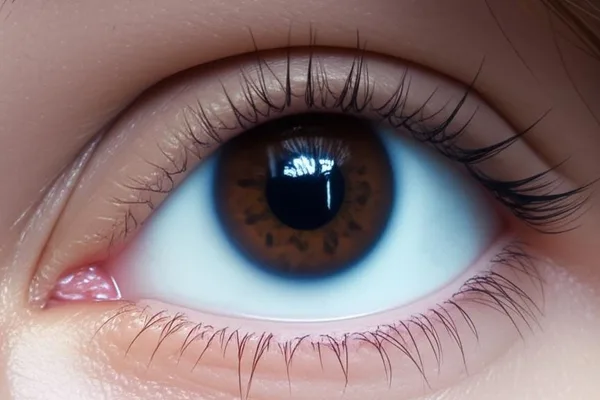
Our eyelashes are something we use every day, but don't really think about it that much. Just think, how many times do you blink a day? Have you ever thought about how much service these two little eyelashes actually provide to our eyes? Today, let's talk about these eyelashes, their function, and the little problems that can arise.
Why are eyelids so important to us?
Simply put, your eyelashes are like a natural protective covering for your eyes. Think about it, these eyelashes protect your eyes from dust, dirt, and unwanted light. Not only that, they also help retain moisture inside the eye, preventing it from drying out, and keeping the surface of the eye lubricated, or smooth .
Did you know that the only part of our skin that doesn't have a layer of oil underneath it (i.e., subcutaneous fat ) is the eyelids. That's why the thinnest skin on our bodies is on the eyelids. One of the main functions of this is to protect our eyes. Because germs in the air can easily enter the surface of our eyes. So, the eyelids act like a wall to prevent those germs from entering.
Eyelashes are not just something that sits on top of the eye. They need to glide smoothly across the surface of the eye. Our eyes need the moisture from tears. This is because the tears help the cornea , the transparent part of the eye that is in front of the black eye (it has no blood vessels), absorb oxygen from the air.
As a good example, eyelashes are like a windshield wiper on a car or a retractable shade on a window in a house . Like a wiper, they help keep the surface of the eye clean and safe. Like a curtain, they can also close the eye and control the amount of light that comes in.
What are the main parts of the eyelid?
Our eyelashes have several parts. Some are functional, meaning they have a specific function. Others are cosmetic, meaning they contribute to your appearance.
One thing to remember is that just because you're "beauty" doesn't mean it's not important. If you're not happy with your appearance, it can affect your mental and physical health alike. That's why worrying about your appearance isn't just an empty thought. It actually affects how you feel mentally and physically.
Conjunctiva (inner membrane of the eyelid)
On the inside of your eyelid, there is a thin membrane called the conjunctiva . This folds over and covers the white part of your eye ( the sclera ). This membrane is what allows your eyelids to move smoothly. It also acts as a protective layer over a large part of the front surface of your eye.
Eyelashes
Your eyelashes are a very special type of hair. They last longer than hair on the rest of your body, and they're less likely to turn gray than hair on your head. On average, there are about 100 to 150 eyelashes (usually in two or three rows) on the upper eyelid, and about 50 to 75 on the lower eyelid.
Eyelashes are not just for beauty. Their functions are:
- Captures dust and small particles: Dust and small particles floating in the air are trapped on the eyelashes and prevented from entering the eyes.
- Moisture retention: These help to prevent outside elements from entering and also retain moisture around the eyes.
- Detecting danger: The eyelids are very sensitive to anything touching them. Imagine, when you walk in the dark, you reach out your hand to avoid hitting walls or objects. Similarly, if something touches your eyelids, your eyes close as a protective reflex.
Meibomian glands
Inside the eyelids, behind the eyelashes, are a series of small oil-producing glands. These are called meibomian glands . The oil they produce is called meibum . This oil mixes with the tears to coat and protect the surface of the eye. When tears combine with meibum, they work even better to lubricate and protect the eye.
Connective tendons and ligaments
Beneath the skin of the upper and lower eyelids are parts called tarsal plates . Despite the "plates" in the name, these are not actually plates. They are tightly packed connective tissue fibers.
Like the elastic in a dress' waistband, these talus plates help hold the eyelashes firmly to the surface of the eye. The muscles and other connective tissue around the eye pull on these talus plates, which move the eyelashes up and down.
Muscles
There are several other muscles attached to and surrounding the eyelids. These are the ones that help pull the eyelids up and down. They are also used to control facial expressions, such as when we squint our eyes in curiosity or widen our eyes in surprise.
Folds and creases
When we open and close our eyes, our eyelids have natural folds and creases that keep them from drooping. You may have one fold or two, depending on a few factors.
What are the different shapes of eyes?
The shape of your eyes is determined by the structures in your eyelids and around your eyes. While there is no official classification for eye shapes, there are specific terms used to describe the structures (or the appearance of those structures) that contribute to the shape of the eye.
One major term is "palpebral fissure." This is the technical name for the gap where your eyelids separate, creating a gap between your upper and lower eyelids. This palpebral fissure can look like this:
- Almond-shaped: This shape is common among young babies. It usually disappears as the facial tissues and bones develop.
- Long: This refers to eyes that have a longer horizontal distance from the inner corner of the eye to the outer corner. If this is abnormally long (this length varies depending on age, gender, and other factors), it may be a sign of some rare genetic abnormalities or medical conditions.
- Short: This is an abnormally short horizontal distance from the inner corner of the eye to the outer corner. This distance also varies with age. It can occur with certain genetic mutations and medical conditions, such as blepharophimosis syndrome .
- Downslanted or upslanted: This refers to the height of the inner and outer corners of the eyes. If the outer corners of your eyes are higher on your face than the inner corners, it is called an "up-slanted palpebral fissure." If the outer corners are lower, it is called a "down-slanted palpebral fissure."
Other characteristics that can affect eye shape:
- Monolid eyes: This is when your eyelids have one fold instead of two. This is also called an epicanthic fold or epicanthal fold . It is common among people of East Asian descent of all ages. It can also be found in babies of other ethnicities, and it gradually disappears as their faces grow.
- Hooded eyes: This refers to an abnormal amount of eyelid skin or forehead skin that hangs over your eyes.
What are the common diseases and conditions that affect the eyelashes?
There are many conditions that can affect the eyelashes. They can be of various types, such as diseases related to the nerves and muscles, skin diseases, diseases specific to the eyelashes or the eyes themselves. Eyelashes can also be susceptible to various injuries. Some people may have conditions that affect the structure of the eyelashes.
Nerve and muscle related diseases
Diseases that can affect nerve and muscle control in the eyelids and surrounding areas:
- Bell's palsy
- Blepharospasm and other forms of eye twitching
- Drooping eyelid ( Ptosis )
- Hemiplegic migraines
- Strokes and Transient ischemic attacks (TIAs)
Skin diseases
Examples of skin diseases that can affect the eyelashes:
- Eyelid dermatitis
- Eyelid psoriasis
- Ocular rosacea
- Skin tags/Acrochordons
Diseases specific to the eyes and eyelashes
- Yellow lumps near the eyelids ( Xanthelasmas )
- Lumps or cysts ( chalazions ) caused by blocked meibomian glands
- Lumps or swellings around the eyelash follicles ( Styes and Internal styes )
- Eye diseases ( Conjunctivitis / Pink eye )
- Eye diseases, e.g. Keratitis
- Inverted eyelashes ( Trichiasis )
- Eyelids turning inward (Entropion) or outward (Ectropion)
- Floppy eyelid syndrome
- Inflammation of the eyelids ( Blepharitis )
- Meibomian gland dysfunction
- Infection of the eyelid or skin around the eye ( orbital cellulitis )
Injuries to eyelashes
Examples:
- Burns
- Lacerations
- Abrasions
Diseases related to the structure of the eyelashes
Some people are born with problems with their eyelashes because they don't develop properly (this is called a congenital anomaly). Others have problems with the structure of their eyelashes due to accidents or other medical conditions. Some conditions also occur because the skin loses its elasticity and sags as we age.
Some examples of diseases related to the structure of the eyelashes:
- Cryptophthalmos: This means "hidden eye." People with this condition have their eyelids stuck together.
- Eyelid coloboma: These are small cuts or gaps where the eyelid has not developed properly. This can look similar to a cleft lip.
- Double eyelids ( Distichiasis ): Some people develop more rows of eyelashes than expected. This causes the eyelashes to be too close to the surface of the eye, which can cause itchy eyes and other problems.
What are the common signs and symptoms of eyelash diseases?
Like many areas of your face, your eyelids have a large number of nerve endings. Therefore, your eyelids are particularly sensitive to pain . Other signs and symptoms of eyelid problems include:
- Sagging or loose.
- Eyelid drooping ( Madarosis ).
- Change in the color of the eyelid skin.
- Itching or burning.
- Swelling.
Eyelid diseases can also affect the surface of the eye, especially the moisture in the eye. Symptoms of eyelid diseases that can occur on the surface of the eye include:
- Dry eyes .
- Tears or discharge from the eyes.
- Eye itching or inflammation.
- Eye pain.
- Watery eyes ( Epiphora) .
Symptoms related to dangerous or sudden eyelid twitching
Two symptoms of eyelid twitching can indicate problems with the brain or nervous system. They are muscle weakness on one side ( hemiparesis ) or paralysis ( hemiplegia ) affecting one eyelid and/or one side of the face.
These one-sided symptoms are often signs of a stroke . If you have this, or if you see someone else having it , you should call 119 (or your local emergency number) immediately.
What are the common tests performed on eyelashes?
Ophthalmologists carefully examine the eyelids during routine eye exams. This may include measuring how the eyelids move, how they respond to certain changes, and examining the eyelids by touching them or using magnifying devices.
Other doctors – such as primary care physicians, dermatologists, or plastic and reconstructive surgeons – may examine the eyelids during a routine skin exam. Neurologists also carefully examine the eyelids to look for signs of muscle weakness in the eyelids or surrounding areas of the face.
What are the common treatments for eyelash-related symptoms and conditions?
Treatment for eyelid symptoms and conditions varies greatly depending on the cause. Simple, home remedies such as warm compresses may be enough for skin conditions such as styes or chalazions . More serious conditions such as infections may require medications such as oral antibiotics , or injections such as OnabotulinumtoxinA (Botox®) for conditions that cause uncontrolled muscle movements.
When sagging or loose eyelids occur due to loss of elasticity in the skin and underlying tissues as we age, surgery may be the best option. This can also be the case for other conditions involving the eyelid structure.
Your ophthalmologist or other healthcare provider can tell you more about the treatments they recommend for your specific condition and needs. They can also tell you about the side effects or complications that may occur with those treatments.
What can I do to keep my eyelashes healthy?
Your eyelashes are basically the same as your skin. Things like these can benefit them too:
- Proper nutrition: Your skin is particularly dependent on certain vitamins and minerals. Getting enough of them will help keep your eyelashes (and your skin in general) healthy.
- Sun protection: Just like the skin on the rest of your body, your eyelashes can get sunburned. Using proper sun protection, such as sunscreen or sunglasses, can help.
- Get enough sleep: When you don't get enough sleep, your eyelids are more likely to droop or have dark circles under your eyes. Also, if you have a condition like sleep apnea, you are more likely to develop conditions like droopy eyelid syndrome.
- Eye protection: When you use things like goggles or safety glasses , you are actually protecting your eyes as well.
What is the medical name for eyelashes?
The medical name for the eyelids is "palpebra." This word comes from a Latin root meaning "to touch gently." It is also related to the word "palpate," which is the word doctors use to touch a part of the body as part of a physical examination. In this case, "palpebra" refers to the way your eyelids gently rest on the surface of your eye and move across it.
In which part of the eye are the eyelashes located?
Your eyelids are located above and below your eyes. When you close your eyes, your eyelids come together and cover the front center of your eyeball, directly over the black part of your eye (cornea). When your eyes are open, your eyelids are spread vertically, covering the top and bottom edges of the white part of your eye (sclera).
Can you see without eyelashes?
Yes, people can see and live without eyelashes. But missing eyelashes can cause a number of problems that make it difficult to see or affect your eye health. In many cases, people with this condition may need lifelong medical care, support, and specialized treatments to maintain their eye health. They are also at higher risk of infections, eye surface diseases, and other problems.
` ## Summary (Take-Home Message) Your eyelashes are more than just a cover. They are a very important part of your vision and help you maintain your eye health. Most of the time, it's easy to ignore them, but when something is affecting them, it can feel like you can't think about anything else. An ophthalmologist will examine your eyelashes during routine eye exams, so you can be aware of any changes that may be important. So don't forget to take care of your eyelashes as well as your eyes! --- Eyelashes, Eye Health, Eyelids, Eye Diseases, Eye Protection, Meibomian Glands, Conjunctiva




💬 Comments (0)
No comments yet. Be the first to share your thoughts here.
Add Your Comment