

Are you looking in the mirror and wondering about those stubborn brown patches on your cheeks and forehead? This common skin condition is known in medicine as melasma. It often appears due to hormonal changes, sun exposure, or during pregnancy. Managing these dark spots can feel frustrating and confusing. Today, we will explore a special prescription cream used to treat melasma that combines three different active medicines into one formula.
Combining three active ingredients allows this topical treatment to target dark spots from multiple angles. However, because it contains potent ingredients, using it correctly requires careful attention to your doctor instructions. Let us walk through everything you need to know to use this cream safely and effectively for healthier-looking skin.
Key Takeaways.
- Triple Formula: Contains a corticosteroid, a skin-lightening agent, and a retinoid to clear dark spots.
- Sun Sensitivity: This medicine makes your skin much more sensitive to sunlight and UV rays.
- Strict Pregnancy Warning: Never use this cream if you are pregnant or planning to become pregnant.
- Patience Needed: Full results may take up to 8 weeks of consistent, careful daily use.
What Is Actually Inside This Cream?
Simply put, this prescription cream contains three main active medicines working together. Each ingredient plays a specific role in treating melasma:
1. Fluocinolone: This is a mild corticosteroid. Its main job is to help reduce swelling, redness, and irritation in your skin.
2. Hydroquinone: This is the primary skin-lightening ingredient. It works by lowering pigment production in your skin cells to help fade dark patches.
3. Tretinoin: This is a retinoid related to Vitamin A. It speeds up your skin cell turnover rate so old pigmented skin sheds faster.
Together, these three ingredients form a powerful treatment for dark facial patches. Your doctor will prescribe this specific blend only after examining your skin condition closely.
What to Tell Your Doctor Before Using This Medicine.
Before you start applying this cream, you must share your complete medical history with your doctor. Honest communication ensures that this treatment is safe for your unique skin type.
Be sure to mention the following important details:
- If you currently have a sunburn or irritated skin in the treatment area.
- If you have any known allergic reactions to fluocinolone, hydroquinone, tretinoin, other corticosteroids, Vitamin A products, or sulfites.
- If you have allergies to any foods, dyes, preservatives, or other medicines.
- If you are pregnant, planning to become pregnant, or breastfeeding.
Sharing these details helps your doctor prevent adverse reactions and protect your overall health.
How to Apply This Cream Correctly.
This medicine is meant for external use on the skin only. Always follow the exact instructions written on your prescription label by your doctor.
Here are the proper steps for safe daily application:
1. Gently wash your face using a mild, gentle cleanser. Avoid using rough washcloths or abrasive sponges. Cleanse softly with your fingertips, rinse with lukewarm water, and pat your skin dry gently.
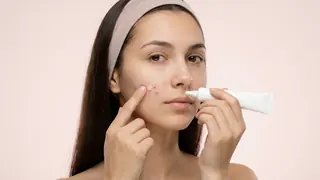
2. Take a small amount of the cream and apply it to the dark patches. Extend the application about a half-inch beyond the pigmented spots onto normal surrounding skin.
3. Rub the cream in gently until it absorbs completely. If you can still see the cream sitting on your skin, you applied too much product.
4. Use the cream strictly as directed by your doctor. Never apply more medicine or use it more often than prescribed.
Remember: This medicine is not approved for children. If you are considering this treatment for a minor, consult a pediatrician first.
What if you accidentally use too much? If you suspect you applied more cream than directed, contact your local poison control center or emergency room right away.
Also, this prescription is meant for you alone. Never share your prescription cream with anyone else.
What to Do If You Miss a Dose.
If you forget to apply your cream at the usual time, simply skip that missed application. Resume your normal schedule at the next scheduled time.
Never apply a double dose to make up for a missed application. Consistency is helpful, but doubling up can irritate your skin.
Other Products That May Interact with This Cream.
This is a vital safety consideration. While using this cream, certain topical products or medicines can interact and cause irritation or reduce effectiveness. Tell your doctor if you use any of the following:
- Aminolevulinic acid .
- Benzoyl peroxide found in certain acne washes .
- Certain prescription antibiotic medicines .
- Phenothiazine drugs such as chlorpromazine or thioridazine .
- Porfimer or thiazide diuretic water pills .
This list does not include every possible interaction. Tell your doctor about all prescription drugs, herbal remedies, dietary supplements, and over-the-counter products you use. Mention if you smoke, drink alcohol, or use recreational substances.
Important Precautions While Using the Cream.
Results from this cream appear gradually. You may need to use it consistently for up to 8 weeks before noticing significant lightening of dark spots. After stopping treatment, melasma spots can sometimes slowly darken again over time.
Using this cream for too long or in excessive amounts can cause temporary lightening of treated or surrounding skin areas. If you notice unusual skin lightening, stop application in those spots and contact your doctor.
If you experience severe skin sensitivity, burning, itching, or if your dark spots seem to darken further, pause treatment and consult your doctor.
Avoid getting this medicine in your eyes, nose, or on open wounds. If accidental contact with eyes occurs, flush thoroughly with clean water and seek medical advice.
Sun Protection Warning.
This medicine makes your skin much more sensitive to sunlight. Limit your time in the sun, wear protective clothing, and apply a broad-spectrum sunscreen daily. Avoid sunlamps and tanning booths completely.
Special Warning for Women: Do not use this cream if you are pregnant or trying to conceive. If you are of childbearing age, discuss reliable birth control methods with your doctor while using this treatment.
Your skin may become dry during treatment. You can use a gentle moisturizer in the morning after washing your face to soothe dryness.
Products to Avoid During Treatment.
Until your doctor tells you otherwise, avoid applying these items to treated areas:
- Products that dry the skin severely, such as high-alcohol toners or astringents.
- Spices sometimes used in home skincare remedies.
- Lime peels or other citrus fruit juices.
- Medicated soaps or harsh shampoos.
- Permanent wave chemical solutions.
- Hair removers, waxing, or electrolysis treatments.
Potential Side Effects.
Like all medicines, this cream can cause side effects, though many people experience only mild reactions or none at all.
Seek medical attention promptly if you experience these serious signs:
- Signs of an allergic reaction such as skin rash, hives, or swelling of the face, lips, or tongue.
- Crusting or swelling in the treated areas.
- Severe or persistent burning, stinging, irritation, or itching.
- Halo hypopigmentation (skin around the treated spot becoming unusually pale).
Common, less serious side effects include:
- Mild skin dryness.
- Increased sun sensitivity.
- Mild stinging or tingling upon application.
- Slight peeling, redness, or mild irritation.
This list is not exhaustive. Consult your doctor if you notice any other unusual symptoms.
How to Store This Cream Safely.
Keep this medicine in a secure location out of the reach of children.
Store the tube at room temperature between 20°C and 25°C (68°F to 77°F). Never store this medicine in a freezer.
Safely dispose of any expired medicine or unused product according to local pharmacy guidelines.
When to Seek Emergency Medical Help.
Call 911 (US/Canada), 999 (UK), or go to your nearest Emergency Department right away if you experience:
- Anaphylaxis or sudden severe facial swelling, wheezing, or difficulty breathing.
- Severe blistering, open chemical-like burns, or severe skin breakdown.
Takeaway Message.
Treating melasma with a triple-ingredient prescription cream can yield wonderful results when managed carefully. Always follow your doctor instructions closely, protect your skin from the sun, and report any unexpected reactions right away.
| Recommended Practices (Do's). | Practices to Avoid (Don'ts). |
|---|---|
| Apply a gentle moisturizer to manage dry skin. | Do not use harsh alcohol toners or astringents. |
| Wear broad-spectrum sunscreen and hats outdoors. | Do not visit tanning beds or use sunlamps. |
| Follow your exact prescription dosing schedule. | Do not share your prescription cream with others. |
References & Trusted Sources:
- Cleveland Clinic: Melasma Overview & Topical Treatments. Available from: Cleveland Clinic.
- Mayo Clinic: Melasma Symptoms, Causes, and Care. Available from: Mayo Clinic.
- NHS UK: Skin Pigmentation and Treatments. Available from: NHS.
- US FDA: Patient Information and Safety Guidelines for Combination Skin Creams. Available from: FDA.
- NIH / PubMed Central: Clinical Efficacy of Triple Combination Therapy in Melasma. PMID: 12548291.
Disclaimer: This educational article is for informational purposes only and does not substitute for professional medical advice, diagnosis, or treatment. Always consult your doctor regarding any medical questions or skin concerns.





No comments yet. Be the first to share your question or experience below.