

Have you ever thought about how your two kidneys act like a super-powered filter system for your body? Day and night, they clean your blood, remove extra waste, and turn it into urine. But what happens if this precious filter system gets damaged over time? That is when health problems can start to sneak up on you without warning.
Today, we are going to look closely at a kidney condition that does not get talked about very often, but is very important to understand. It is called FSGS. By breaking down how it works, what signs to look for, and how doctors manage it, you can take charge of your kidney health.
Key Takeaways About FSGS
- What it is: FSGS stands for Focal Segmental Glomerulosclerosis, a disease where tiny kidney filters develop scars.
- Silent onset: Early stages often show no clear symptoms, meaning it can quietly damage kidneys before you notice.
- Key signs: Swelling in your legs, ankles, or face, and foamy urine from protein leakage are major warning signs.
- Not fully curable, but manageable: While the scarring cannot be reversed, proper medicines and lifestyle changes can slow it down.
- Diagnosis: A kidney biopsy is the gold standard test doctors use to confirm an FSGS diagnosis for sure.
Renal function (eGFR)
Measure kidney function based on creatinine value
What Is FSGS?
FSGS stands for Focal Segmental Glomerulosclerosis. While that medical name sounds very long and scary, the basic story is quite simple to understand when we break it apart piece by piece.
Inside each of your kidneys, there are about one million tiny filtering units. Doctors call these filters glomeruli. You can think of them like tiny kitchen strainers. As your blood flows through these filters, they keep useful things like nutrients and minerals in your blood while filtering out waste and extra water to make urine.
When you have FSGS, these tiny filters develop scars and harden. Medical professionals call this scarring process sclerosis. Once these filters get scarred up, they cannot do their job of cleaning your blood the right way.
To understand the full name even better, let us look at the two descriptive words:
- Focal: This means the damage does not affect every single filter in your kidney. Only some filters are affected while others stay healthy.
- Segmental: This means that even inside the filters that are damaged, the scarring only affects a small part or segment of the filter, not the whole thing.
Main Types of FSGS
Doctors divide FSGS into three main categories. Knowing which type you have helps your doctor choose the best care plan for your body.
| FSGS Type | Description and Causes |
|---|---|
| Primary FSGS | This type happens without any clear or obvious underlying cause. Doctors often treat it with medicines that calm down your immune system. |
| Secondary FSGS | This type happens because of another health issue, infection, medicine, or external factor. Examples include diabetes, severe obesity, viral infections like HIV, certain drugs, or substance use. |
| Genetic (Familial) FSGS | This type is caused by gene changes or mutations passed down through families from parents to children. |
Symptoms of FSGS
One of the biggest challenges with FSGS is that it often shows no clear symptoms in the early stages. Many people only find out they have it when routine medical checkups or tests for other health issues reveal unexpected results.
As the condition progresses, several common signs and symptoms may start to appear in your body:
- Swelling (Edema): You might notice swelling in your legs, ankles, feet, hands, or face. This is often the first visible sign people notice.
- Protein in Your Urine (Proteinuria): When kidney filters get damaged, helpful proteins leak out of your blood and into your urine. This can make your urine look very foamy, like soapy water.
- High Blood Cholesterol: Blood tests may show elevated cholesterol levels because your body tries to make up for lost protein.
- Low Blood Albumin: Albumin is a major blood protein. When it leaks through damaged filters, its level in your blood drops.
- Sudden Weight Gain: This quick weight gain happens because your body is holding onto extra water and fluid that damaged kidneys cannot clear out.
- High Blood Pressure (Hypertension): Kidney issues often make it harder to regulate your blood pressure, leading to high readings.
Dangerous Complications of FSGS
If FSGS is left untreated or poorly managed over time, it can lead to serious health complications. The most severe and dangerous complication is kidney failure. This means your kidneys lose their ability to filter blood and remove waste, becoming completely unable to do their job.
Kidney failure is a life-threatening medical emergency. If you have FSGS and experience any severe red flag symptoms, you must seek emergency medical care right away by calling 911 (US/Canada), 999 (UK), or going straight to the nearest Emergency Department (ER or A&E):
Emergency Red Flags: When to Seek Immediate Care
- Severe high blood pressure that you cannot control with normal medicine.
- Extreme fatigue, weakness, or severe anemia caused by low red blood cell counts.
- Persistent nausea, vomiting, and a complete loss of appetite.
- Severe, rapid swelling in your hands, feet, face, or abdomen.
- Very little or complete stoppage of urine output.
How Doctors Diagnose FSGS
When you visit a doctor because of swelling or unusual test results, they will listen to your symptoms and recommend specific diagnostic tests to figure out what is wrong.
- Blood Tests: These checks measure your blood levels for protein, waste products like creatinine, and fat levels.
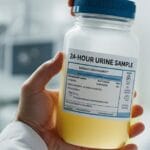
- Urine Tests: These tests measure how much protein and blood cells are leaking into your urine over a 24-hour period.
- Kidney Function Test (Glomerular Filtration Rate - GFR): This calculation estimates how well your kidneys are filtering waste from your blood based on your blood creatinine level, age, and gender.
While blood and urine tests can strongly suggest kidney trouble, they cannot give a final answer. To confirm an FSGS diagnosis with 100% certainty, doctors rely on a special procedure called a kidney biopsy.
What Is a Kidney Biopsy?
During a kidney biopsy, a doctor uses a special thin needle to take a tiny sample of tissue from your kidney. A specialist then examines this tissue sample under a microscope to look for scarring in your kidney filters. This biopsy procedure is considered the gold standard for confirming FSGS.
Treatments for FSGS
Treatment plans for FSGS vary from person to person. Your doctor will look at your specific type of FSGS, your age, your overall health, and how severe the damage is. The main goals of treatment are to control your symptoms, improve your quality of life, slow down the damage to your kidneys, and prevent complete kidney failure.
Your doctor may recommend several types of medical care and lifestyle habits:
Medicines
- Blood Pressure Medicines: Drugs like ACE inhibitors (ACE-Is) or Angiotensin receptor blockers (ARBs) lower your blood pressure and reduce protein leakage in your urine.
- Water Pills (Diuretics): These medicines help your body get rid of extra fluid and reduce swelling in your legs and face.
- Immunosuppressive Drugs: These medicines calm down an overactive immune system that may be attacking your kidney filters.
- Corticosteroids: Steroid medicines help reduce inflammation and control protein loss in primary FSGS.
- Specialized Therapies: In certain complex cases, doctors may use procedures like plasmapheresis to filter specific proteins out of your blood.
Lifestyle Changes
Along with taking your prescribed medicines, making healthy changes to your daily routine is vital for protecting your remaining kidney function.
- Healthy Diet: Reducing salt (sodium) in your meals helps control blood pressure and swelling. Your doctor or clinical dietitian may also suggest moderate protein intake.
- Regular Exercise: Staying active with walking or light workouts helps maintain a healthy weight and supports heart health.
- Stop Smoking: If you smoke tobacco, quitting right away is essential because smoking damages blood vessels and harms your kidneys even faster.
Living with FSGS: What Does the Future Hold?
Because FSGS is a chronic, long-term condition without a simple cure, the outlook or prognosis is different for everyone. Some people respond well to medicines, keeping the disease under control and living comfortably for many years. For other people, the disease may slowly worsen over time.
If the disease advances to complete kidney failure, life-support treatments like dialysis (using a machine to clean your blood) or a kidney transplant will become necessary.
Even if you face these challenges, following your doctor advice, taking your medicines on time, and keeping a healthy lifestyle lets many people with FSGS live active, fulfilling lives. The most important step is staying connected with your medical team for regular checkups.
💡 Take-Home Message
- FSGS is a kidney disease where tiny filters develop scars, making it hard for them to clean your blood.
- Unexplained swelling in your legs, hands, or face, or foamy urine should never be ignored. See a doctor right away.
- While FSGS cannot be completely cured, proper treatment and healthy habits can protect your kidneys and slow down the disease.
- Taking your prescribed medicines and following your dietary limits are essential for protecting your health.
- FSGS is serious, but with the right medical care and support, you can manage it successfully and maintain a good quality of life.





No comments yet. Be the first to share your question or experience below.