

When you hear the word 'Gamma Knife Surgery', do you also think of surgery performed with a knife? Although the name says 'knife', it does not actually use a knife or an incision. So what is it? Simply put, it is a very advanced, highly targeted radiation treatment. Like a laser beam, it can be directed only at the problematic area of the brain, without causing any damage to the surrounding healthy tissue. So let's talk about it all today.
What exactly is Gamma Knife treatment?
Imagine you have a small tumor in a very small, complex area of your brain. If you were to remove it with a normal operation, you would have to cut through healthy parts of the brain to get to it. That's a bit risky. That's when a technology called Gamma Knife becomes very useful.
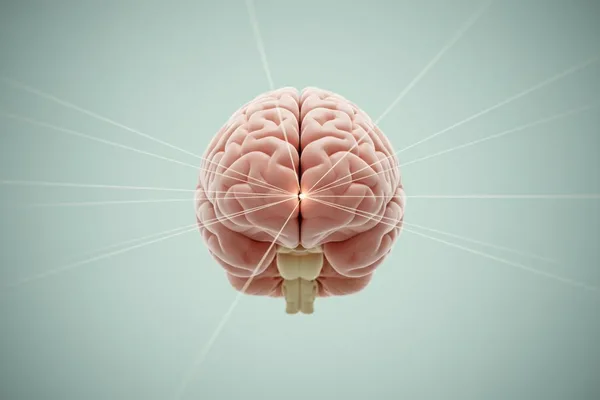
This involves hundreds of very high-energy gamma rays, controlled by computer technology, being aimed at just the problem cells in the brain at the same time. A single ray is very weak on its own, so it doesn't harm healthy tissue as it passes through the brain. But when hundreds of these rays are concentrated in one place, exactly where the tumor is, they create enough energy to destroy those cells. It's like using a magnifying glass to focus the sun's rays and set fire to a piece of paper. That's why it can produce a 'surgery' effect, without any incisions. This belongs to a category called 'Stereotactic Radiosurgery' .
What conditions can be cured with this treatment?
The main goal of Gamma Knife therapy is to stabilize, shrink, or completely destroy a tumor or other abnormality in the brain. It is usually used for small brain problems.
Mainly, these are some of the cases where this treatment is used:
- Brain tumors: These can be both cancerous and noncancerous.
- Blood vessel abnormalities: Conditions in which the blood vessels in the brain become tangled.
- Nerve abnormalities: Some nerve-related painful conditions.
The table below shows some of the most common conditions for which Gamma Knife therapy is used.
| Disease category | Examples |
|---|---|
| Brain Tumors |
|
| Other common conditions |
Gamma Knife is a great option if you have a tumor that is too deep in the brain to be reached by conventional surgery, or if you cannot have surgery for other health reasons. Sometimes, this treatment is also used to prevent a tumor from coming back after conventional surgery.
How should I prepare before treatment?
Before this treatment, you will need to see a neurosurgeon and a radiation oncologist. They will examine you. At this time, if you have any implanted devices, such as a pacemaker, cochlear implant, medication pump, or nerve stimulator , you should definitely tell your doctor about them.
They will also ask about any allergies you have. You will be asked to lie on your back for 30-60 minutes during this treatment. If you have a lung condition or esophageal reflux, it may be difficult to lie down. Tell your doctor about this as well.
The medical team will give you a clear set of instructions about what you need to follow from the day before your treatment. Typically, these instructions may include:
- Do not eat or drink anything from midnight the day before the treatment.
- If you have any medications to take in the morning, take them with a sip of water. Bring all medications you use (including inhalers) to the hospital.
- Wash your head thoroughly the night before treatment and keep it clean.
- Do not put any clips, pins, or bands in your hair on the day of treatment. Leave your hair loose.
- Wear loose-fitting clothing and shoes that are easy to put on and take off. Avoid clothes that can be pulled over your head.
- Be sure to bring someone with you to and from treatment and home.
If you have any questions, fears, or doubts about this treatment, ask the doctor about it when you see him. It will be a great relief for you as well.
What is a Frame and Frameless?
There are two Gamma Knife methods.
1. Frame method: In this method, a metal (usually aluminum) frame is used that is attached to your head. This frame keeps your head in one place during the treatment and helps to direct the gamma rays precisely to the target.
2. Frameless method: In this method, a thermoplastic mask or net is placed over your face. This is attached to a frame on the treatment bed, which helps keep your head still.
Some people may be scared when they hear that this frame is being attached to your head. But don't be scared. Before this frame is attached to your skull with four small pins, a local anesthetic is injected into all four places to numb them. So you won't feel any pain. You might feel a slight pinch. And you don't need to shave your head.
How the treatment works step by step
On the day of treatment, these steps are usually followed:
Preparation before treatment
- Putting in an IV line: An IV line will be put in a vein in your arm. It will give you a special liquid (contrast agent) to help with the scans and, if necessary, a sedative to calm you down. For young children, they may be given general anesthesia.
- Scans: A CT scan and/or MRI scan of your brain will be done. This will help determine the exact size, shape, and location of the area to be treated. This will take about 30 minutes.
- Treatment planning: After reviewing the scan reports, the neurosurgeon, radiation oncologist, medical physicist, and others work together on a computer to plan your treatment. This is where they decide where to treat, how much radiation to give, and how to aim the rays for the best results. This can take about an hour.
What happens during treatment
1. You will be taken to the treatment room and the frame or frameless mask will be fitted to your head.
2. Then you will be made to lie down on the bed of the treatment machine.
3. The bed slowly moves into the Gamma Knife machine.
4. The machine will begin delivering radiation. At this point, the machine will slowly move your bed and head to aim the rays at the target from all directions.
5. When the treatment is finished, the bed comes out of the machine again.
6. Then, the frame or mask attached to the head is removed. The IV line in the arm is also removed.
Even though the medical team is outside in a separate room during the treatment, they are constantly watching you through cameras and microphones. If you need to talk, you can talk to them through the microphone you have. So you are not alone.
Is this treatment painful?
No. You will not feel any pain or discomfort during the treatment. The machine will not produce any heat or make any noise. Many people will fall asleep during this time.
How long will it take?
The treatment itself takes anywhere from 30 minutes to two hours. It depends on the size, shape, and location of your lesion. However, it's best to expect to be in the hospital for the entire day (about 12 hours) with everything from scans to planning.
What happens after treatment?
After the treatment, you may feel a little drowsy and sluggish. So it is essential to have someone to take you home. Unless your doctor specifically tells you otherwise, you can go home the same day. You can usually resume your normal activities (such as going to work or school) the next day .
If you used a frame, there are a few things you need to follow at home:
- For about a week, keep your head slightly elevated by using about two pillows when sleeping.
- The next day, remove the bandages that were placed where the frame was attached.
- Clean those areas twice a day and apply a small amount of antibiotic ointment for three to four days.
- You can wash your hair after 48 hours.
- If you have any pain or discomfort, take a pain reliever (e.g., Ibuprofen, Acetaminophen) recommended by your doctor.
What are the benefits and risks?
Like any medical treatment, this one has benefits and minor risks.
| Benefits of treatment |
|---|
|
| Risks & Side Effects |
Minor and common occurrences:
Serious, but very rare complications:
|
Brain swelling can occur immediately after treatment or even months later. To prevent this, your medical team will give you medication before and after treatment.
When to see a doctor
When you go home after treatment, you need to know what to do if any problems arise.
If you have the following symptoms, call your doctor:
- If you feel heat when touching the areas where the frame is attached.
- If a foul-smelling, forest-like liquid comes out of those places.
- If you have a fever.
If you have any of the following symptoms, go to the nearest hospital Emergency Department (ETU) immediately:
- Severe nausea or vomiting
- Very severe headache
- Vision changes
- Difficulty speaking
- Having a seizure
- Any other symptoms that you think are unusual
How long does it take to know the results?
This is a question that many people ask. It can take weeks, months, or even a year or more to see the full results of treatment. It depends on the condition being treated.
- For a painful condition like trigeminal neuralgia , it can take anywhere from a day to 6 months for the pain to subside. Most people experience relief within a month.
- In the case of cancerous tumors , they can be expected to stabilize or shrink within a few weeks to a few months.
- Non-cancerous tumors often stop growing, but they don't get smaller.
- Conditions like arteriovenous malformations (AVM) can take two to three years to fully heal.
To see how the treatment has affected you, your doctor will perform repeat CT or MRI scans at regular intervals.
Take-Home Message
- Gamma Knife is not surgery performed with an actual knife. It is a treatment that uses highly targeted radiation beams without any incisions.
- This can safely treat tumors and other problems deep in the brain that cannot be reached by conventional surgery.
- There is no pain during the treatment. The recovery period is very short, and you can usually resume your normal activities the next day.
- It can take months or years to see the full results of treatment, so it's important to be patient.
- If you have any questions or concerns about this, talk to your doctor openly about it.




💬 Comments (0)
No comments yet. Be the first to share your thoughts here.
Add Your Comment