
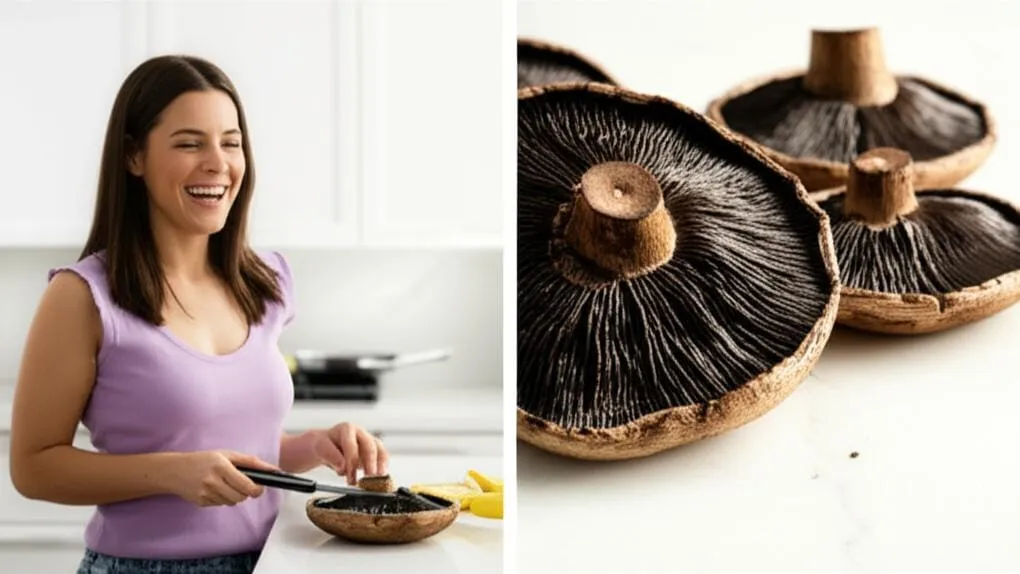
Do you love adding mushrooms to your weekly meals? If you shop at local grocery stores or supermarkets, you have likely seen those large, earthy brown mushrooms sitting in the produce aisle. These are known as portabella mushrooms.
Many people enjoy cooking with them because of their rich, meaty texture. But have you ever wondered if they are just a tasty treat, or if they offer real health benefits for your body?
Let us explore everything you need to know about portabella mushrooms, from their surprising nutritional value to how you can safely prepare them at home.
Key Health Takeaways
- Portabella mushrooms are fully matured white button mushrooms with rich meaty textures and very low calorie counts.
- They provide essential nutrients like B vitamins, potassium, copper, selenium, and sometimes vitamin D.
- Research suggests regular consumption may support brain health, lower inflammation, and feed healthy gut bacteria.
- Always store fresh mushrooms properly in paper bags to avoid dangerous bacterial growth like botulism.
What Are Portabella Mushrooms?
First, it is important to clear up a common misconception about what mushrooms actually are. While many people think of them as vegetables, they are not plants at all.
Mushrooms are also not animals. Instead, they belong to the kingdom of fungi, which is one of the oldest living groups of organisms on Earth.
The part we eat is the fleshy, spore-producing structure of the fungus. Out of roughly 300 edible mushroom species in the world, only about 10 are cultivated commercially for public consumption.
Portabella mushrooms belong to this select commercial group. A fascinating fact is that white button mushrooms, small brown cremini mushrooms, and large portabella mushrooms all belong to the exact same biological species.
That species is known scientifically as Agaricus bisporus. In simple terms, these three popular types are just different growth stages of the exact same organism.
Think of them as three distinct phases in the life cycle of a single fungus. Each stage offers a slightly different look, texture, and culinary use in your kitchen.
- White Button Mushrooms: These are the immature, young stage of the fungus with a mild flavor and light color.
- Cremini Mushrooms: These represent the teenage stage with a firmer texture and light brown color. Some people call them baby bellas.
- Portabella Mushrooms: These are the fully grown, mature stage of the fungus. A portabella cap can grow up to six inches wide.
Commercial growers cultivate these mushrooms in specialized growing beds made of pasteurized compost, straw, manure, and soybean waste. Before commercial sale, growers carefully pasteurize this compost to ensure consumer safety and high crop quality.
Health Benefits of Portabella Mushrooms
Portabella mushrooms are much more than a savory kitchen ingredient. They pack a powerful punch of nutrition that supports your overall well-being.
Let us take a closer look at the specific health benefits you can gain by adding them to your regular diet.
High Nutritional Value
Even though they taste rich and meaty like steak, portabella mushrooms are very low in fat and calories. One hundred grams of raw portabella mushrooms contains only about 22 calories and zero fat.
This makes them an ideal food if you want to manage your weight. You can easily substitute them for higher calorie meats or cheeses in your favorite recipes.
Portabella mushrooms deliver several key vitamins and minerals that your body needs every day. Here is a quick breakdown of what they provide:
| Nutrient Type | Health Benefit for Your Body |
|---|---|
| B Vitamins | Helps your body produce energy and keeps your nervous system functioning smoothly. |
| Phosphorus | Supports the development and maintenance of strong, healthy bones and teeth. |
| Selenium | Acts as a powerful antioxidant that protects your cells from daily oxidative damage. |
| Copper | Assists in making red blood cells and maintaining a healthy nervous system. |
| Potassium | Helps regulate healthy blood pressure levels and supports cardiovascular health. |
Mushrooms are also unique because they can provide vitamin D, which is usually found in animal products. While standard dark growing conditions yield low vitamin D levels, some commercial growers expose mushrooms to ultraviolet light.
This clever process boosts their vitamin D content greatly, making them a fantastic plant-based source for your bones.
Anticancer Properties
Portabella mushrooms contain special plant compounds known as polysaccharides, polyphenols, and carotenoids. These bioactive molecules do not provide traditional calories, but they offer incredible medicinal benefits.
Animal studies and laboratory research show that these compounds help reduce chronic inflammation in the body. They also act as strong antioxidants that neutralize harmful free radicals.
Also, researchers are exploring how these unique mushroom compounds can help stop abnormal cancer cells from growing and spreading. While human clinical trials are ongoing, the laboratory results are very promising.
Brain and Mental Health
Protecting your brain health as you grow older is essential for maintaining your independence and quality of life. Eating mushrooms regularly may offer a natural way to support cognitive function.
Specifically, research suggests mushrooms may help lower your risk of developing mild cognitive impairment. In simple terms, mild cognitive impairment involves noticeable memory changes that do not yet disrupt daily independence.
A major study published in 2019 followed older adults and found remarkable results. Participants who ate more than two portions of mushrooms per week experienced a 52 percent lower risk of developing mild cognitive impairment.
This powerful statistic highlights how simple dietary choices can have a profound impact on long-term brain health.
Digestive Health
Your gut is home to trillions of beneficial bacteria that play a major role in your overall health and immunity. To keep these good bacteria thriving, they need the right fuel to eat.
The polysaccharides found in portabella mushrooms act as powerful prebiotics. Prebiotics serve as food for the friendly bacteria living inside your digestive tract.
When your good gut bacteria feed on these prebiotics, they multiply and flourish. Because roughly 70 percent of your immune system lives in your gut, supporting your digestive health also boosts your overall immunity.
How to Properly Use Portabella Mushrooms
To enjoy the maximum flavor and health benefits of portabella mushrooms, you must know how to select, store, and cook them correctly.
⚠️ Critical Food Safety Warning: Preventing Botulism
Never store fresh raw mushrooms in airtight plastic containers at room temperature. Doing so creates an oxygen-free environment that can encourage the growth of Clostridium botulinum bacteria, leading to a dangerous condition called botulism.
If you experience symptoms like blurred vision, muscle weakness, or trouble swallowing after eating improperly stored food, call 911 (US/Canada), 999 (UK), or go to your nearest Emergency Department (ER / A&E) right away. For expert guidance in the US, contact poison control at 1-800-222-1222.
Selection and Storage Guidelines
- When shopping, choose mushrooms that feel firm, fresh, and free from bruises or dark soft spots.
- Avoid mushrooms that feel slimy or mushy, as this indicates they are old and beginning to spoil.
- Store fresh mushrooms in a breathable paper bag in your refrigerator rather than sealed plastic wrap.
- Cook them within a few days of purchase to enjoy the best texture and nutritional profile.
Cleaning and Cooking Methods
- Always wash your hands thoroughly with soap and water before and after handling raw mushrooms.
- Gently rinse your mushrooms under cool tap water just before cooking. Do not use harsh soaps or chemical detergents.
- Avoid washing mushrooms long before you plan to use them, as excess moisture causes them to spoil faster.
Portabella mushrooms are incredibly versatile in the kitchen and can be prepared in several delicious ways:
- Grilling: Grill large portabella caps to use as a hearty, plant-based burger patty replacement on whole grain buns.
- Marinating: Soak caps in a mixture of olive oil, balsamic vinegar, garlic, and herbs for thirty minutes before pan-frying.
- Stir-Frying: Slice them into strips and toss them into a hot wok with fresh mixed vegetables and ginger.
- Stuffing: Remove the stems, fill the large caps with cheese, spinach, and sun-dried tomatoes, and bake until tender.
💡 Take-Home Message
Portabella mushrooms are much more than just a tasty culinary ingredient. They represent the mature, fully developed stage of the common mushroom species Agaricus bisporus.
They offer an impressive nutritional profile featuring very low calories, zero fat, essential B vitamins, potassium, selenium, and copper.
Scientific studies show they provide meaningful health benefits, including antioxidant support, potential anticancer properties, enhanced brain health, and improved digestive function.
By following proper food safety rules—such as avoiding airtight room-temperature storage—you can enjoy portabella mushrooms safely and deliciously every week.






No comments yet. Be the first to share your question or experience below.