

You walk into your kitchen and spot a long line of ants marching across the counter. Or perhaps you see a cockroach darting into a dark corner of your bathroom. Dealing with unwanted pests is frustrating, and you likely want a quick fix to clear them out. You might have heard about using Borax as a simple household remedy to solve this problem. Many people sprinkle Borax around their homes as a cheap and easy pest killer. However, simply buying powder from the store and spreading it everywhere can be very dangerous. Let us explore what Borax actually is, how it works against pests, and what safety steps you must take.
Understanding the properties of Borax helps you protect your family from accidental poisoning. While natural substances seem harmless, concentrated chemical powders require careful handling. This guide breaks down everything you need to know in clear, simple terms. You will learn how to protect your skin, eyes, and lungs while keeping your home pest-free.
Key Takeaways for Your Home
- Natural Origin: Borax is a boron compound related to boric acid found in nature.
- Pest Control Power: It effectively kills ants, roaches, spiders, and fungi by damaging their bodies.
- Health Risks: Skin contact, eye irritation, and inhalation can cause serious medical issues.
- Strict Safety: Always wear protective gloves, masks, and eyewear when handling the powder.
- Keep Away: Store Borax securely out of reach of children and household pets at all times.
What Is Borax?
Simply put, Borax is a chemical compound made from the element boron. Its chemical name is sodium tetraborate decahydrate, and it is closely related to boric acid. This mineral occurs naturally in small amounts in fruits, vegetables, and even your drinking water. However, the commercial Borax powder you buy for cleaning or pest control is much stronger and more concentrated than natural traces.
If you have young children, you may have heard of Borax being used to make slime at home. Borax also appears in various laundry and household cleaning products. It acts as a multi-purpose cleaner, a fungicide, and an herbicide. This means it helps control insects, spiders, mites, mold types, and certain unwanted weeds around your living space.
Although Borax has many practical uses around the house, it is still a potent chemical. Treating it like ordinary table salt or baking soda is a major mistake. You must respect its chemical strength to avoid accidental harm to yourself and your loved ones. Proper knowledge ensures you use it effectively without causing unintended health problems.
Is Borax Safe to Use?
Many people assume that because Borax is a natural mineral, it is completely safe to touch and breathe. However, you must be very careful when handling household cleaning powders. The concentrated form found in stores can irritate your skin and sensitive tissues.
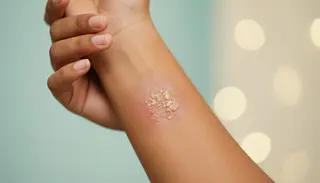
If the powder gets onto your bare skin or into your eyes, it can cause burning, itching, and allergic reactions. Also, if the fine powder floats into the air and you breathe it in, it can damage your respiratory system. Your lungs and throat are very sensitive to mineral dust.
Some research studies suggest that long-term exposure to Borax may cause reproductive system issues. This means these chemicals can interfere with your body's hormone network, also known as the endocrine system.
Knowing the common signs of accidental exposure helps you act quickly if something goes wrong. Review the table below to understand what happens if Borax enters the body through ingestion or inhalation.
| Symptom Type | Description and Clinical Signs |
|---|---|
| If Ingested | Nausea, vomiting, severe stomach cramps, and diarrhea. Sometimes vomit and diarrhea can turn a blue or green color. |
| If Inhaled | Dry mouth, nose and throat irritation, persistent coughing, difficulty breathing, and occasional nosebleeds. |
Most Important Rule: If you or anyone in your home accidentally swallows Borax, stay calm and act right away. Call the National Poisons Information Centre or your local emergency number right away. Go to the nearest hospital emergency department as fast as possible. Take the Borax product packaging with you so the doctors can see the exact ingredients.
How Do Pests Die From Borax?
The science behind how Borax kills pests is straightforward. When insects crawl through the powder and ingest it, the substance damages their digestive tract. It also disrupts their nervous system, making them lose physical control. In addition, Borax breaks down the protective outer coating of the insect's body, causing severe dehydration that leads to death.
This same destructive process affects fungi and unwanted weeds. Borax dries them out completely. For plants, it stops the vital energy-producing process known as photosynthesis, causing them to wither and die.
Borax works especially well against ants, flies, mites, and termites. For termites, the powder acts in several ways. It is toxic upon contact, destroys their digestive system when eaten, and repels them from treated areas. This makes it a popular choice for pest control, provided you handle it with extreme care.
How to Use Borax Safely
This section is the most important part of our guide. If you decide to use Borax in your home, you must follow these safety steps without exception. Protecting your body prevents accidental injury during pest control tasks.
| Mandatory Safety Gear | Proper Usage Guidelines |
|---|---|
| Protective Clothing | Wear long-sleeved shirts, long trousers, and sturdy closed shoes with socks to cover all exposed skin. |
| Eye Protection | Always wear approved chemical safety goggles. Getting powder in your eyes can cause severe injury. |
| Gloves | Use waterproof nitrile rubber gloves. Cloth or leather gloves offer zero protection against chemical absorption. |
Additional Important Safety Points
- Use in well-ventilated areas: Open windows and turn on fans to keep air moving freely when applying treatments indoors.
- Avoid inhaling dust: Wear a protective face mask to prevent breathing in fine powder particles.
- Wash right away after contact: If powder touches your skin or clothing, change clothes right away and wash your skin thoroughly with soap and water.
- Keep away from children and pets: This is vital. Never place Borax where toddlers or dogs and cats can reach it. Store leftover powder securely locked away after use.
- Keep away from food: If you use Borax in the kitchen, cover all food items, plates, and cups tightly and keep them far away from the treatment zone.
Emergency Red Flags: When to Seek Immediate Medical Help
Call 911 (US/Canada), 999 (UK), or your local emergency number right away if someone swallows Borax, experiences severe breathing trouble, loses consciousness, or suffers chemical burns in the eyes. Go directly to the nearest Emergency Department (ER / A&E) and bring the product container with you.
💡 Take-Home Message
Borax is a powerful substance for controlling household pests, but it remains a toxic chemical that can harm humans and pets. Wearing protective clothing, gloves, and eye gear is mandatory during application. You must avoid inhaling dust or swallowing any portion of the powder. Always store cleaning products securely out of reach of children and pets. If accidental ingestion occurs, contact poison control and visit the emergency room right away. If you have health concerns, are pregnant, or have small children at home, consult your family doctor before using chemical pest treatments.
| Safe Practices (Do's) | Dangerous Mistakes (Don'ts) |
|---|---|
| Wear nitrile gloves, masks, and safety goggles. | Do not handle powder with bare hands. |
| Store powder locked away from kids and pets. | Do not leave open containers on low shelves or floors. |
| Cover food and kitchen utensils securely. | Do not apply powder near food prep areas. |





No comments yet. Be the first to share your question or experience below.