
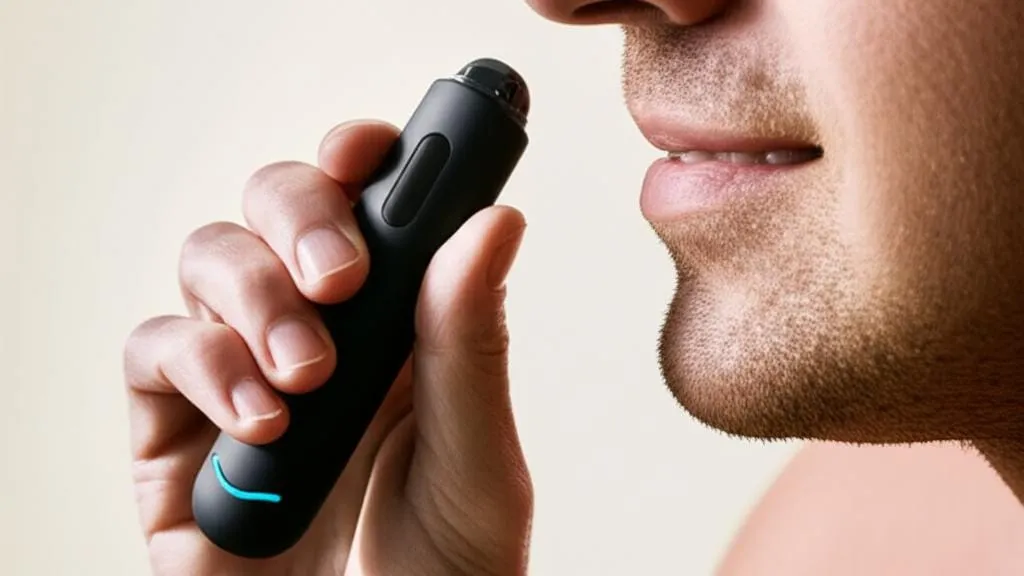
Living with diabetes means checking your blood sugar and taking medicine every single day. If your doctor tells you that you need insulin, you might feel a knot in your stomach. Insulin is a vital hormone made by your pancreas that helps your body use sugar for energy. But taking insulin usually means poking your skin with a sharp needle or using an insulin pen multiple times a day.
If you have a severe fear of needles, also known as needle phobia, this daily routine can feel overwhelming and stressful. Many people struggle with the physical discomfort, bruising, and anxiety that come with frequent injections. Fortunately, medical technology keeps advancing to make managing diabetes easier and more comfortable for you.
One exciting new option gaining attention is the needle-free jet insulin injector. Let us explore what this device is, how it works, and whether it might be the right choice for your daily diabetes care plan.
Key Takeaways
- Needle-free jet injectors use high pressure instead of a needle to deliver insulin beneath your skin.
- Clinical studies show these devices are effective at controlling blood sugar levels in people with diabetes.
- They offer a great alternative if you experience severe anxiety or pain from traditional needles.
- These devices are often more expensive than standard insulin pens and may not be covered by insurance.
- Always talk to your doctor before switching to a jet injector to ensure it fits your treatment plan.
HbA1c to blood glucose converter. Convert between HbA1c (%), mmol/mol, and average blood glucose in mg/dL and mmol/L instantly.
What Is a Needle-Free Jet Injector?
If you have diabetes, you know how important insulin is for your body. To explain simply, the food you eat turns into sugar, or glucose, in your blood. Insulin acts like a friendly key that opens your body's cells so sugar can enter and provide energy.
When you have diabetes, your body either does not make enough insulin or cannot use it properly. Because of this, you need to take insulin from an outside source to keep your blood sugar levels in a healthy range. Most people use standard insulin shots or insulin pens for this purpose.
However, both of these traditional tools rely on a sharp metal needle. Poking yourself with a needle every single day can cause pain, skin irritation, and emotional stress. Now, imagine a method where you can take your insulin without ever using a needle. That is exactly what a needle-free jet insulin injector is designed to do.
This is a fascinating medical device. Instead of a traditional needle, it uses high air pressure or a powerful spring mechanism to push liquid insulin forward. The device creates a very fine, microscopic stream of insulin that pierces your skin and enters the tissue underneath.
It works much like a powerful little water pistol. The sheer pressure pushes the insulin droplets rapidly through the outer layer of your skin into the fatty tissue below. Because the stream is so microscopic, it generally does not feel like a sharp needle poke.
Is This Method Really Effective?
You might wonder if this needle-free method actually works well in real life. Research studies show that jet injectors work effectively and reliably for diabetes management. In fact, some clinical studies suggest they can control blood sugar just as well as, or even better than, traditional needles.
For example, a clinical study conducted in 2017 compared people with type 2 diabetes using a jet injector versus a standard insulin pen. The researchers discovered that regardless of the insulin type used, the jet injector helped patients manage their blood sugar levels and insulin absorption very successfully.
However, there is an important detail to keep in mind. In some cases, patients using jet injectors experienced mild drops in blood sugar, known as hypoglycemia. This happens because insulin can sometimes absorb slightly faster when delivered under high pressure.
Fortunately, this is not something to panic about. Eating a small snack or taking fast-acting glucose quickly brings your blood sugar back up to normal. Your body simply responds differently to the high-pressure fluid delivery compared to a slow needle injection.
That means the jet injector method is effective, but you must monitor your blood sugar levels more closely when you first start using it.
How Do You Use It?
Understanding how a jet injector operates helps you feel more confident about trying it. These devices typically consist of two or three main parts depending on the specific model. Spring-powered models usually have two main parts: a pen-like injector body and a disposable syringe.
Air-powered models usually have three parts: the injector body, a disposable syringe, and a small cartridge filled with carbon dioxide gas to create the pressure. Using a jet injector is a straightforward process once you learn the proper steps.
First, you pull your prescribed dose of insulin into the sterile disposable syringe. Next, you securely attach or load that syringe into the main injector body. Then, you place the tip of the injector firmly against your chosen injection site, such as your abdomen or upper arm.
You must hold the device at a straight ninety-degree angle against your skin. Finally, you press the release button, and the device delivers the insulin instantly beneath your skin. It is as simple as that!
Cost and Insurance Coverage
When exploring new diabetes technology, financial factors play a major role in your decision. Insurance coverage for medical equipment varies widely depending on your provider and health plan. Standard supplies like blood glucose test strips, glucose meters, and traditional insulin pens often qualify for insurance coverage.
However, securing insurance coverage for a needle-free jet insulin injector is much more difficult. Insurance companies typically approve coverage only for treatments and devices deemed medically necessary. Because affordable and effective options like traditional insulin pens and syringes are widely available, insurers may view jet injectors as an optional luxury rather than a necessity.
Buying a jet injector out of pocket without insurance can cost hundreds of dollars, making it a significant financial investment. However, if you have a severe physical condition, skin allergy, or debilitating phobia that prevents you from using needles, your doctor can submit a special appeal.
In such cases, an insurance company might review your case and approve coverage as a medically necessary alternative. Always check your policy details and talk to your insurance provider before making any large purchases.
What Are the Pros and Cons of This Method?
Before choosing any new insulin delivery method, you should discuss your options thoroughly with your doctor. Weighing both the benefits and drawbacks helps you make an informed choice that fits your lifestyle and health needs. Review the comparison table below to see how the pros and cons stack up.
| Advantages (Pros) | Disadvantages (Cons) |
|---|---|
| Highly effective at delivering insulin and managing blood sugar levels. | Much more expensive to purchase compared to standard insulin pens and syringes. |
| Excellent alternative if you experience severe needle phobia or anxiety. | The device is bulkier and larger to carry around than a pocket pen. |
| Eliminates the risk of accidental needle stick injuries or disposal hazards. | May cause faster insulin absorption, sometimes leading to mild hypoglycemia. |
| Can reduce skin trauma, bruising, and scar tissue buildup from daily needles. | Less common in local pharmacies and harder to find in some regions. |
How to Choose the Right Injector
Selecting the right device requires careful medical guidance. Jet injectors are sophisticated medical equipment, not simple items you can buy off the shelf at a regular grocery store. Also, not every jet injector on the market is designed for insulin delivery.
Many jet injectors are used in clinical settings specifically for giving vaccines, such as the annual flu shot. Therefore, if you are interested in using a needle-free device, your very first step must be to talk with your primary care doctor or your endocrinologist.
Your doctor knows your specific health profile, insulin requirements, and skin sensitivity. They can guide you toward approved, reliable models that are safe and appropriate for delivering insulin safely at home. Never attempt to purchase or use a device without professional medical approval.
🚨 When to Call the Doctor or Emergency Services
- Call your doctor right away if you experience persistent low blood sugar symptoms like shaking, sweating, dizziness, or confusion that do not improve with a snack.
- Seek immediate emergency medical care by calling 911 (US/Canada) or 999 (UK) / going to the nearest Emergency Department if you experience severe confusion, fainting, chest pain, or signs of diabetic ketoacidosis such as vomiting, rapid breathing, and a fruity breath odor.
- Contact your doctor if you notice unusual skin irritation, bruising, swelling, or signs of infection at your injection site.
💡 Take-Home Message
Needle-free jet insulin injectors offer a modern, needle-free way to deliver insulin using high pressure. They serve as an excellent solution if you struggle with severe fear or anxiety around traditional needles.
Clinical studies show these devices work very effectively. However, you must stay mindful because they can sometimes cause faster insulin absorption and mild drops in blood sugar. They are also more expensive than standard pens and may require special effort to locate.
Because these are specialized medical devices, you should always consult your doctor before making any changes. Work closely with your healthcare team to ensure your transition to a new device is safe, effective, and properly monitored.





No comments yet. Be the first to share your question or experience below.