
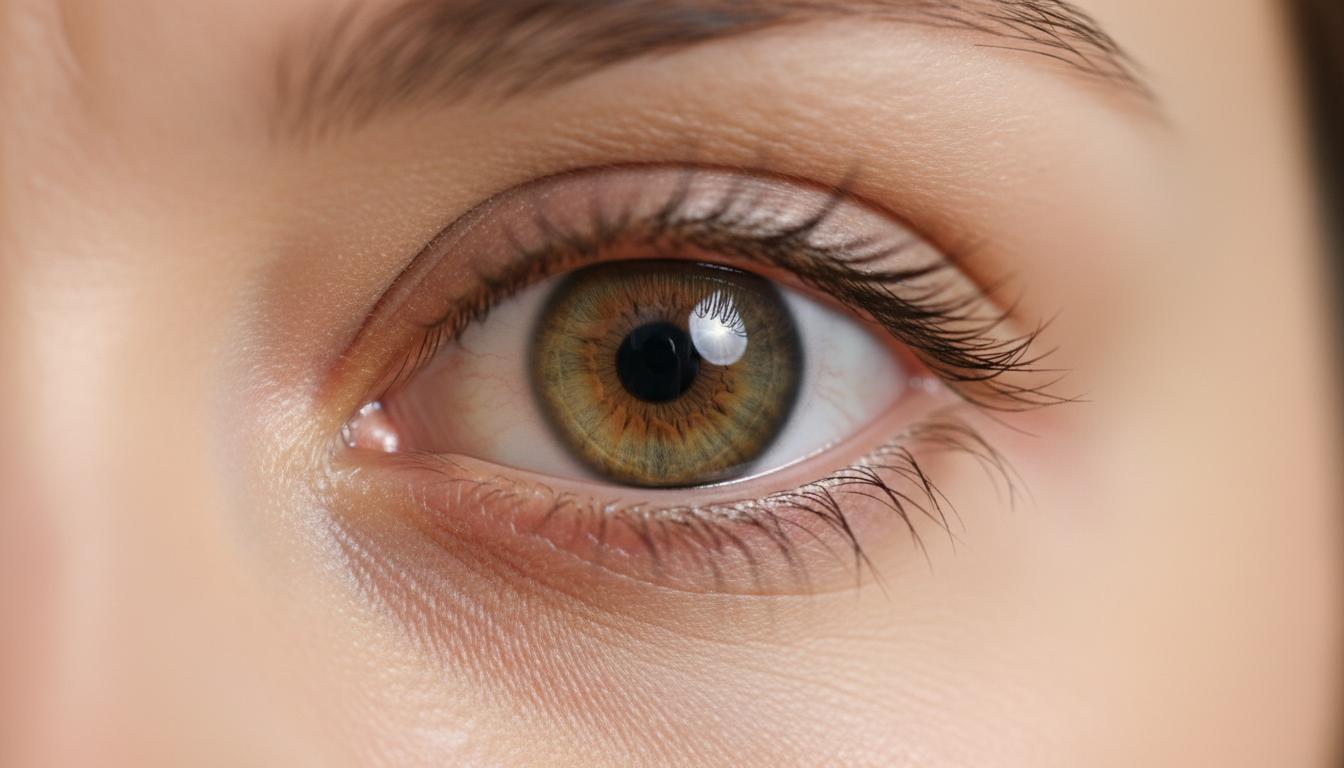
Have you ever looked closely in the mirror and noticed a dark or colored ring around the colored part of your eye? Maybe an eye doctor mentioned seeing a strange circle during a routine eye checkup. Discovering something unusual around your eyes can feel scary and make you worry about your vision.
The good news is that these eye rings do not harm your eyesight at all. However, they can be an important warning sign of a hidden medical condition inside your body. Let us take a simple, clear look at what these rings mean and why they happen.
Key Takeaways at a Glance
- Kayser-Fleischer rings are caused by extra copper building up in your body, often linked to Wilson disease.
- These rings do not cause vision loss or blind spots and are completely painless.
- Eye doctors usually spot them using a special magnifying microscope called a slit lamp.
- Proper medical treatment for the underlying cause can make these colored rings fade away completely.
- Early testing is vital if anyone in your immediate family has been diagnosed with Wilson disease.
Know your body mass index (BMI) and weight classification
What Are Kayser-Fleischer Rings?
Kayser-Fleischer rings are distinct colored rings that form around the outer edge of the colored part of your eye, known as the iris. These rings happen because extra copper builds up in the tissues of your eye. You might see them appear in shades of green, golden-yellow, or deep brown.
Many people feel relieved to learn that these rings do not hurt your vision in any way. You will still see just as clearly as before. The ring usually starts to form as a small arc at the very top of the cornea. Over time, it spreads around the edges until it forms a complete circle.
These rings sit precisely where the white part of your eye meets the clear dome that covers your iris. People with naturally dark brown eyes often find it harder to spot these rings without special equipment. People with lighter eye colors tend to show these golden-green rings much more easily.
How Do These Eye Rings Differ from Other Types?
Other conditions can also cause ring-like patterns to form around the eyes. Doctors look at specific clues to tell them apart so you receive the right care. Let us review the main differences in the comparison table below.
| Feature | Kayser-Fleischer Rings / Arcus Senilis / Fleischer Rings |
|---|---|
| Color | Kayser-Fleischer Rings: Green, golden, or deep brown Arcus Senilis: White, gray, or grayish-blue Fleischer Rings: Yellowish-brown or amber |
| Main Cause | Kayser-Fleischer Rings: Extra copper buildup in tissues Arcus Senilis: Fatty deposits (lipids) over time Fleischer Rings: Iron pigment deposits in the cornea |
| Related Health Issues | Kayser-Fleischer Rings: Wilson disease and liver disorders Arcus Senilis: High cholesterol and aging Fleischer Rings: Keratoconus (cone-shaped cornea) |
| How Doctors Find It | Kayser-Fleischer Rings: Slit-lamp eye exam by a specialist Arcus Senilis: Visible during a standard exam Fleischer Rings: Specialized slit-lamp examination |
To confirm whether you have Kayser-Fleischer rings, an eye doctor must perform a careful examination. They use a special bright microscope called a slit lamp. In some cases, doctors use a technique called gonioscopy for a deeper look. This involves numbing your eye and placing a tiny special lens on the surface to check the outer edges thoroughly.
What Causes Kayser-Fleischer Rings to Form?
The primary and most common reason these rings form is a condition called Wilson disease. Wilson disease is an inherited genetic condition passed down through families. Normally, your liver processes extra copper and clears it out of your body safely. If you have Wilson disease, your body fails to process copper properly.
Instead of leaving your body, excess copper builds up inside your liver, brain, eyes, and other organs. This buildup triggers serious health concerns if left untreated:
- Liver Problems: Extra copper damages liver tissue, leading to swelling, inflammation, and chronic liver disease.
- Brain and Nerve Issues: Copper deposits in the brain can cause neurological symptoms and mental health changes.
- Tremors and Movement Challenges: You might experience shaking in your hands or trouble walking steadily.
- Speech Difficulties: Speaking clearly can become harder over time.
- Mood Changes: Feelings of anxiety, depression, or sudden personality shifts may develop.
Medical studies show that nearly 95 out of 100 people with Wilson disease who have nerve symptoms will also show these eye rings. About half of the people who only have liver symptoms will develop these rings too.
Other Rare Causes
While Wilson disease is the main culprit, a few other rare health issues can also cause Kayser-Fleischer rings. These conditions also involve the liver and bile ducts:
- Primary Biliary Cholangitis: A chronic condition that slowly damages the small bile ducts inside your liver.
- Neonatal Cholestasis: A liver condition in newborn babies where bile flow is blocked or slowed down.
How Do Doctors Treat Kayser-Fleischer Rings?
It is vital to understand that doctors do not treat the ring on your eye directly. Instead, medical professionals treat the underlying health condition that caused the copper to build up in your body.
Treating Wilson Disease
Medical treatment for Wilson disease focuses on two main goals to protect your organs and restore health:
- Removing Extra Copper: Doctors use a strategy called chelation therapy. Special prescription medicines bind to the extra copper in your body so your kidneys can flush it out through your urine. Common medicines include penicillamine and trientine.
- Blocking Copper Absorption: Doctors often prescribe zinc supplements. Zinc stops your gut from absorbing copper from the food you eat every day.
Treating Other Liver Conditions
Conditions like primary biliary cholangitis cannot be cured completely, but medicines help control symptoms and slow down liver damage. Newborn babies with cholestasis receive special therapeutic formulas and medicines to stop itching. In severe liver failure cases, doctors may recommend a liver transplant surgery.
When to Seek Emergency Medical Help
Call 911 (US/Canada), 999 (UK), or visit your nearest emergency room right away if you experience sudden confusion, severe yellowing of your skin or eyes, severe abdominal pain, or sudden trouble with balance and speech.
Can You Prevent Kayser-Fleischer Rings?
You cannot directly prevent these rings from forming because the underlying causes, such as Wilson disease, are genetic conditions passed down through families. However, you can take powerful steps through early detection and regular health checkups.
If anyone in your immediate family—such as a parent, brother, or sister—has Wilson disease, talk to your doctor right away. Ask about genetic testing and screening. Catching the condition early lets you start treatment long before dangerous symptoms appear, protecting your liver and long-term health.
Are These Eye Rings Permanent?
The best news about Kayser-Fleischer rings is that they are not permanent. Once you start proper medical treatment for Wilson disease or your liver condition, your body slowly gets rid of the stored extra copper.
As your body clears out the excess copper, the colored rings on your eyes gradually fade away until they disappear completely. You never need to worry about the rings staying forever once the root cause is managed.
Spotting these rings should never cause panic. Think of them as an early warning sign that helps your doctors diagnose and treat the real issue quickly. If an eye doctor mentions these rings during an exam, they will guide you to the right medical specialist for support.






No comments yet. Be the first to share your question or experience below.