
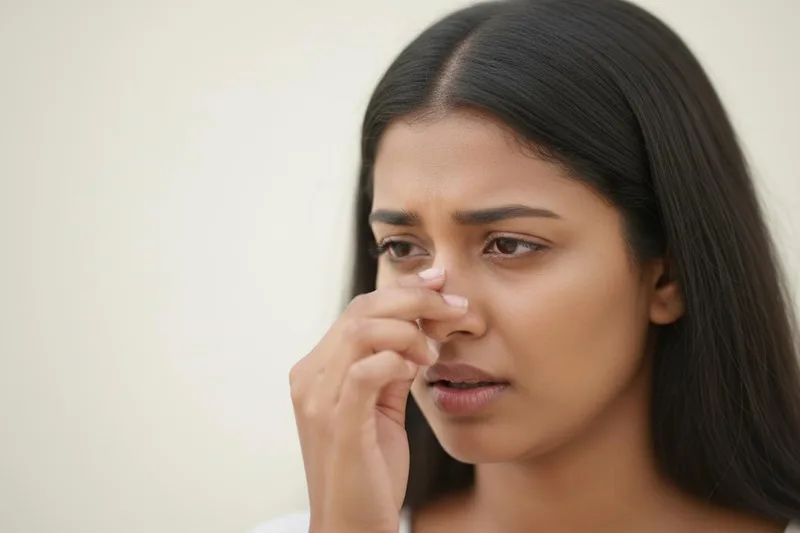
Do you also sneeze continuously when something like dust gets on your body? Or do you get red bumps and itches when you eat certain foods? Do these things sometimes make it difficult to breathe? The cause of such discomfort is often 'Allergy' or what we call allergies in Sinhala . So, if you are also someone who suffers from such allergies, today we are going to talk about a good, long-term solution for it. That is the treatment called 'Allergy Shots' or 'Immunotherapy'.
What is this 'allergy'? Let's understand it simply, shall we?
Simply put, an allergy is when our immune system overreacts to things that are actually harmless to us (we call these allergens). It's like our body's defenses mistaking an innocent person for a big enemy and attacking them.
Think about it, house dust, pollen, some animal dander, or some foods (like milk, peanuts, eggs) are not really a problem for most people. But when these enter the body of someone with an allergy, the immune system becomes agitated and releases chemicals like histamine . That histamine is what causes sneezing, reddening of the skin, itchy eyes, a runny nose, and sometimes difficulty breathing (asthma symptoms).
So what are these 'allergy shots' or 'immunotherapy'?
Allergy shots are a special injection made from the allergen that causes your allergy. This involves slowly injecting the same thing that causes your allergy into your body, in very small doses.
To be precise, this is what it does by getting your body's immune system used to that 'allergen'. It's like monks teaching you, "This person isn't that dangerous, just don't worry."
By starting with small doses over time and gradually increasing the dose, your body becomes less sensitive to the allergen. This means that your immune system does not react as much as it used to. This means that your body produces less of the chemicals that cause allergy symptoms, such as histamine. It also starts to produce protective antibodies , which control the allergic reaction.
Who is best suited for these 'Allergy Shots'?
This treatment is not suitable for everyone. Doctors usually recommend this:
- For those with severe allergies . That is, for those with allergies that are difficult to control even with regular medication and that greatly affect their lives.
- For those whose asthma is aggravated by allergies. This is very helpful in controlling asthma in some people.
- For those who do not get enough relief from the medications we usually use for allergies, such as pills and inhalers, or for those who experience side effects from those medications.
- For those looking for a long-term solution , this can reduce allergies and sometimes even eliminate them completely.
- This may be useful for preventing some allergies in young children , especially new ones, and for reducing the risk of developing asthma in children with allergic rhinitis.
However, before starting this treatment, you need to find out exactly what you are allergic to. This will involve a specialist examining you, possibly doing a skin prick test or blood test.
How does this treatment process happen?
This is a long-term, planned treatment. There are two main stages.
1. Build-up Phase - The period of gradually increasing the dose
During this time, you will need to get an allergy shot once or twice a week. Each time, the dose of the allergen is increased very slightly. This continues until you reach the highest maintenance dose. This usually takes about 3 to 6 months.
2. Maintenance Phase - The period during which the treatment is maintained
Once you reach that maximum dose, the frequency of shots decreases. Maybe every two weeks, then once a month. This maintenance phase is the one that takes the longest. Usually, you have to take this treatment for about 3 to 5 years . While it may seem like a long time, the results are very good.
What are the benefits of these 'Allergy Shots'?
There are actually several good benefits to this treatment method.
- Long-term relief: For many people, allergy symptoms do not return for years after treatment ends. Some may even recover completely.
- Reducing medication use: You can greatly reduce, or even stop, the use of allergy pills and sprays that you regularly take for allergies.
- Improved quality of life: When you no longer experience symptoms like frequent sneezing, itching, and difficulty breathing, you will feel much easier to carry out your daily activities and stay healthy.
- Preventing new allergies and asthma: By giving this treatment, especially to children, they can reduce the risk of developing new allergies in the future and the risk of developing asthma due to allergies.
Are there any side effects or risks to this?
As with any medical treatment, there are some minor side effects that can occur. But there's nothing to worry about, as these are usually not serious.
- Reactions at the injection site:
- The injection site may be red, slightly swollen, and itchy. This is normal and usually subsides within a few hours or a day or two. Sometimes it may feel like a small lump.
- Systemic Reactions:
- These are less common, but they can happen. They can include sneezing, hives, runny nose, and asthma symptoms (shortness of breath, chest tightness).
- Very rarely, a severe, immediate allergic reaction called anaphylaxis can occur. This can cause sudden difficulty breathing, a sudden drop in blood pressure, and dizziness. This can be a life-threatening condition.
That's why it's advised to stay in the hospital for 20-30 minutes after getting an allergy shot. This is because if a severe reaction occurs, it usually happens within that time. This allows the medical staff to quickly provide the necessary treatment. So, this advice should definitely be followed.
But remember, severe reactions are very rare , especially since doctors perform this treatment very carefully and according to the prescribed procedure.
When will I start feeling better?
This may vary from person to person.
- Some people may start to feel their symptoms gradually diminishing during that initial phase (Build-up Phase) .
- But most people only start to feel significant relief after entering the Maintenance Phase , which can be around 6 to 12 months of treatment.
You have to be patient with the treatment. It takes a while to see results.
A few other important things to remember
- Commitment: This is not a short-term thing. Since it is a treatment that lasts for several years, it requires a lot of commitment on your part. It is not a good idea to miss taking the shots on the scheduled days.
- Constant communication with the doctor: If you feel anything unusual, or if you have a more severe reaction than usual after the shot, tell the doctor everything.
- Avoid strenuous exercise for two to three hours before and after receiving the shot.
- If you have an illness like a cold or flu, let your doctor know before you get the shot. You may be able to postpone the shot until that day.
Finally, let's remember this (Take-Home Message)
So, 'Allergy Shots' (also known as 'Immunotherapy') is a scientifically proven treatment that can bring relief to those who suffer greatly from allergies. This is something that takes some time, patience, and dedication. But, the long-term results are worth the effort.
If you have a severe allergy problem like this, don't just suffer and talk to an allergist/immunologist . The doctor can then accurately assess your condition and explain whether this 'Allergy Shots' treatment is right for you and what kind of results you can expect from it. Good health to everyone!
` Allergies, allergy shots, immunotherapy, sneezing, asthma, allergens, immunity


💬 Comments (0)
No comments yet. Be the first to share your thoughts here.
Add Your Comment