

Let's talk about constipation. Do you also have this problem?

Let's talk about constipation. Do you also have this problem?

Going to the toilet every morning to relieve your bowel movements is a very common thing for many people. But sometimes, or more often, it is very difficult to go to the toilet, isn't it? The bowels are dry, and it is very difficult to pass stool . What exactly is this condition called `(Constipation)`, or as we call it, "dry bowel movements"? Let's talk about this in a little more detail today. There is nothing to worry about, this is a problem that many people have.
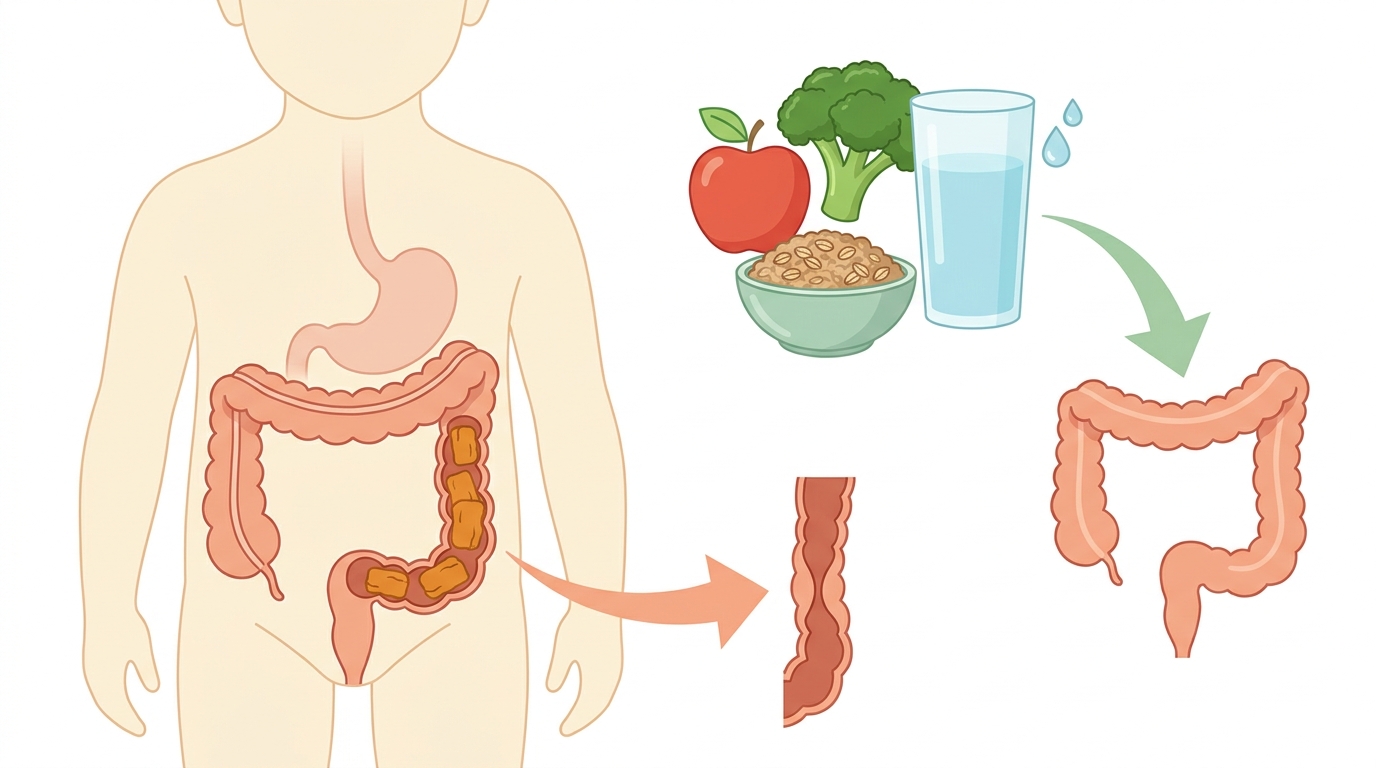
What exactly is constipation?

Simply put, constipation is a condition where your stools (also known as "poo") are very dry, hard , and hard to pass through your intestines. Some people think that if you haven't gone to the toilet all day, you're constipated. But that's not the case. Some people may go to the toilet two or three times a day, while others may go once every two days. It varies from person to person.

However, if you have these things, it could be constipation :

  • Defecation less than three times a week.
  • Straining and having to push hard when defecating.
  • The stool is very dry, hard, and lumpy (like goat feces).
  • The feeling that your stomach hasn't been completely emptied even after going to the toilet.
  • Sometimes this condition can be accompanied by stomach pain and bloating .

Think of it this way: your intestines are like a water pipe. If something gets stuck in it, it's hard for the water to pass through. That's what happens when your stool becomes hard.

What are the main symptoms of constipation?

As we've discussed before, constipation can cause a variety of symptoms. Not everyone will experience them in the same way. However, the most common symptoms include:

  • Decreased bowel movements: As mentioned earlier, if you are going to the toilet less often than usual, especially less than three times a week, this should be taken into account.
  • Straining: Sitting on the toilet for a long time and straining hard is the only way to pass some stool.
  • Hard, dry stools: Stools are lumpy, lumpy, or very hard. Sometimes this can cause anal irritation.
  • Incomplete emptying of the stomach: A feeling of something stuck in the stomach even after going to the toilet and feeling like there is still a little more to go.
  • Stomach pain or discomfort: You may feel something strange, sometimes painful, in the lower abdomen.
  • Bloating and flatulence: Some people experience a feeling of fullness in the stomach and frequent flatulence.
  • For children:Sometimes children may unknowingly leak a small amount of stool into their underwear after holding in their bowel movements (encopresis). This is caused by the leakage of liquid stool around a hard stool mass.

The important thing is that it may be normal to experience one or two of these symptoms occasionally. But if they persist or increase, you should definitely be concerned.

Why do we get constipated? What are the possible causes?

There is not just one cause of constipation. There can be many factors that contribute to it. Let's look at the main causes.

1. Dietary issues

  • Low-fiber diet: This is often the main cause. Fiber is the indigestible part of our food. It helps to bulk up our stools, soften them, and make them easier to pass. Fruits , vegetables, legumes, whole grains (such as brown rice, oats, and brown rice) are all good sources of fiber. If you don't include these in your diet, you're more likely to get constipated.
  • Lack of water: If you don't drink enough water per day, your stools will become dry and hard. Drinking water will soften your stools and make them easier to pass through your intestines.
  • Consuming too many processed foods: Things like instant noodles, biscuits, cakes, and sweet drinks are low in fiber and high in sugar and oil. Eating these too often is not good.

2. Lifestyle influences

  • Lack of exercise: When we sit still, our bowel movements slow down. Getting some exercise throughout the day can help keep your bowels active.
  • Ignoring the need to go to the toilet: It is very wrong to put off going to the toilet when you need to, thinking, "I'll go in a moment." Doing so will draw more water from the stool in your intestines, making it harder.
  • Changes in daily routine: When we travel, go on vacation, or visit a new place, our eating habits and toilet habits change. This can also cause constipation in some people.

3. Some medications

  • Some strong painkillers (e.g., opioids)
  • Iron supplements
  • Some antacids for heartburn ( antacids containing aluminum or calcium)
  • Some medications for high blood pressure and depression.

If you are taking any medication and think it may be causing your constipation, talk to your doctor. Do not stop taking the medication without first asking your doctor.

4. Other medical conditions

  • Diseases that affect bowel function, for example `(Irritable Bowel Syndrome - IBS)`.
  • Decreased function of the thyroid gland (Hypothyroidism).
  • Diabetes `(Diabetes Mellitus)`.
  • Diseases related to the nervous system (e.g. Parkinson's disease, Multiple Sclerosis).
  • Conditions such as colon cancer (these are a little less common, but they shouldn't be ignored).

5. Other special occasions

  • Pregnancy: Pregnant mothers can experience constipation due to hormonal changes and the growing baby pressing on their intestines.
  • Aging: Constipation can occur as you age because your body's metabolism slows down, possibly due to medications you take, and decreased exercise.
  • Stress and anxiety: Don't be surprised, the problems in our minds also affect the functioning of the stomach.

6. Specific reasons for children

  • Fear due to pain during a previous bowel movement: If a child had a hard time going to the toilet and it hurt, children may be afraid to go to the toilet the next time and hold back on defecation.
  • Toilet training problems: If you pressure your child during toilet training, they may start to resist and hold their stool.
  • Lack of fiber in food and drinks: Children tend to be a bit reluctant to eat vegetables and fruits, so they may also be lacking in fiber.

Can a dry mouth be dangerous? When should you see a doctor?

Constipation can usually be treated with home remedies. However, sometimes it can be a symptom of a serious condition. Therefore, it is important to see a doctor if you have any of the following:

  • If you suddenly experience a major change in your bowel movements (if you were previously fine and suddenly become constipated).
  • If you have blood in your stool (it can be red or dark black), don't take this lightly.
  • If you are losing weight for no reason.
  • If you have severe stomach pain along with constipation.
  • If you are vomiting.
  • If constipation does not subside after two to three weeks of home remedies.
  • If anyone in your family has had conditions like colon cancer.
  • If there is constipation along with fever.

If you have symptoms like these, it's wise to see a doctor as soon as possible rather than waiting to see "let's wait a little longer."

How does a doctor confirm this?

When you go to a doctor, the first thing he or she will ask you is:

  • What are your symptoms? How long have you had them?
  • How is your diet? How much water do you drink?
  • Do you exercise?
  • Are you taking any medication?
  • Has anyone in your family had these problems or intestinal problems?

Then, the doctor will examine you. He or she may feel your abdomen. Sometimes, you may also need to insert a finger into your rectum (Digital Rectal Exam). Don't be afraid, this is to check for any lumps or other problems.

Most of the time, these details alone can help you determine the cause of your constipation. However, sometimes further testing may be necessary:

  • Blood tests: Check for a thyroid problem or something else.
  • X-ray tests: To see how stool is stuck in the intestines.
  • `(Sigmoidoscopy)` or `(Colonoscopy)`: This involves inserting a small camera-equipped tube through the anus to examine the inside of the colon. However, not everyone needs this. The doctor will only refer you to this if he or she has any doubts.

What are some home remedies for constipation?

The good news is that constipation can often be controlled by making small changes to your lifestyle and eating habits.

1. Eat and drink properly!

  • Eat more fiber-rich foods: Our bodies need at least 25-30 grams of fiber per day. Where does this fiber come from?
  • Fruits: Banana, papaya, mango, pineapple, orange, tangerine, lime, tamarind.
  • Vegetables: beans, carrots, pumpkin, okra, cabbage, beetroot, sweet potato.
  • Vegetables: spinach, gotukola, mukunuwenna, kathurumurunga, tampala.
  • Flaky nuts: chickpeas, peas, green beans, lentils.
  • Whole grains: brown rice, buckwheat, oats, barley. If you eat bread, choose whole wheat bread.
  • Drink plenty of water: Drink at least 8-10 glasses of water a day. Drinking a glass of water as soon as you wake up in the morning is very good. Drinking orange, grapefruit, and fruit juices (with less sugar) is also good. But sweet drinks (like cola) are not so good.
  • Cut down on certain foods: Eating too much of things like cheese, processed meats (like sausages), ice cream, and chocolate can increase constipation.

2. Exercise throughout the day.

It is very important to exercise your body for at least 30 minutes a day. Walking, running, cycling, dancing, or even doing housework are all good. Exercising also improves bowel function.

3. Develop toilet habits

  • Don't put off going to the toilet: Go to the toilet as soon as you feel the need . Don't put it off by saying "in a little while."
  • Get into the habit of going to the toilet at the same time every day: Try to go to the toilet within 15-20 minutes, especially after breakfast. Our bowels are most active at that time.
  • The correct position to sit on the toilet: When sitting on a commode, it is easier to defecate by placing something like a small stool under your legs and keeping your knees slightly higher than your hips, rather than resting your feet on the floor. Just like the pit toilets of the past.

4. Laxatives

You can use these, but only with the advice of a doctor. It is not good to buy them from the pharmacy and drink them as you please. Because, if you continue to get used to this, your intestines may forget to work on their own and you may not be able to go to the toilet without this medicine.

There are different types of laxatives:

  • `(Bulk-forming laxatives ): These act like fiber, increasing the volume of stool and softening it.
  • `(Osmotic laxatives ):` These draw water into the intestines and dilute the stool.
  • `(Stimulant laxatives ):` These stimulate the muscles in the intestines and push the stool forward.

Your doctor will decide which type is right for you and how long you should take it.

What if our little ones get constipated?

Constipation is a sensitive issue for children. They can be scared and in pain.

  • Don't panic, speak lovingly: First of all, don't panic. Speak lovingly to the child and reassure him/her by saying, "There's nothing to worry about, son/daughter, we'll fix this."
  • Take care of their diet: Add fruits (like bananas, papayas, mangoes), vegetables, and greens to their diet. Drink plenty of water. Reduce sugary drinks, chocolate, and biscuits.
  • Encourage your child to play, run, and jump: The more active the child is, the better the bowel function.
  • Try to toilet regularly: Have them sit on the toilet for 5-10 minutes, two or three times a day, shortly after eating. Don't force them. Let them read a book, or talk to them.
  • Reduce pain: If your rectum feels sore, you can ask your doctor about using something like a pain-relieving cream.
  • If it doesn't get better after several days, or if your child seems to be in pain, definitely see a pediatrician. A doctor can find out the exact cause and prescribe medication if necessary.

Finally, a few things to remember:

Okay, so we've talked a lot about constipation now. Finally, here are some of the most important things you need to remember:

  • Constipation is a common condition that affects many people and is usually not dangerous. However, if it persists, causes you a lot of discomfort, or if you have any of the warning signs we discussed earlier (such as bleeding, weight loss), you should definitely seek medical advice rather than suffering alone.
  • A good diet (high in fiber, lots of water), daily exercise, and proper toilet habits are the best and surest ways to prevent and treat constipation.
  • If you use medications, do so only with the approval of a doctor.
  • If your little ones have this problem, help them with patience and love. If necessary, seek the help of a pediatrician.

Remember, a healthy gut is essential for a healthy life. So take care of your gut health. If you have any other concerns, don't be afraid to talk to a doctor.

👩🏽‍⚕️ Additional questions (FAQs)

💬 What is constipation?

Constipation is defined as having fewer than three bowel movements per week, having hard stools, or having difficulty passing stool.

💬 What is the main reason for this?

This is largely due to not adding leafy greens and fruits (fiber) to our diet and drinking very little water per day.

💬 What can you do to quickly get rid of constipation?

Drink a glass of warm water as soon as you wake up in the morning, add fruits like papaya and bananas to your meals, and drink at least 3 liters of water a day.


` Constipation, dry stomach, constipation, dietary fiber, difficulty defecating, doctor's advice, health

⚠️ Important: The medical articles and information on Nirogi Lanka are for general awareness only, and are by no means a substitute for professional medical advice, diagnosis, or treatment. For any medical problem you have, consult a qualified physician immediately.

💬 Comments (0)

No comments yet. Be the first to share your thoughts here.

Add Your Comment

Please calculate: 4 + 9 =
Let's talk about constipation. Do you also have this problem?
Root of the MatterMarch 27, 2026

Let's talk about constipation. Do you also have this problem?

Going to the toilet every morning to relieve your bowel movements is a very common thing for many people. But sometimes, or more often, it is very difficult to go to the toilet, isn't it? The bowels are dry, and it is very difficult to pass stool . What exactly is this condition called `(Constipation)`, or as we call it, "dry bowel movements"? Let's talk about this in a little more detail today. There is nothing to worry about, this is a problem that many people have.

What exactly is constipation?

Simply put, constipation is a condition where your stools (also known as "poo") are very dry, hard , and hard to pass through your intestines. Some people think that if you haven't gone to the toilet all day, you're constipated. But that's not the case. Some people may go to the toilet two or three times a day, while others may go once every two days. It varies from person to person.

However, if you have these things, it could be constipation :

  • Defecation less than three times a week.
  • Straining and having to push hard when defecating.
  • The stool is very dry, hard, and lumpy (like goat feces).
  • The feeling that your stomach hasn't been completely emptied even after going to the toilet.
  • Sometimes this condition can be accompanied by stomach pain and bloating .

Think of it this way: your intestines are like a water pipe. If something gets stuck in it, it's hard for the water to pass through. That's what happens when your stool becomes hard.

What are the main symptoms of constipation?

As we've discussed before, constipation can cause a variety of symptoms. Not everyone will experience them in the same way. However, the most common symptoms include:

  • Decreased bowel movements: As mentioned earlier, if you are going to the toilet less often than usual, especially less than three times a week, this should be taken into account.
  • Straining: Sitting on the toilet for a long time and straining hard is the only way to pass some stool.
  • Hard, dry stools: Stools are lumpy, lumpy, or very hard. Sometimes this can cause anal irritation.
  • Incomplete emptying of the stomach: A feeling of something stuck in the stomach even after going to the toilet and feeling like there is still a little more to go.
  • Stomach pain or discomfort: You may feel something strange, sometimes painful, in the lower abdomen.
  • Bloating and flatulence: Some people experience a feeling of fullness in the stomach and frequent flatulence.
  • For children:Sometimes children may unknowingly leak a small amount of stool into their underwear after holding in their bowel movements (encopresis). This is caused by the leakage of liquid stool around a hard stool mass.

The important thing is that it may be normal to experience one or two of these symptoms occasionally. But if they persist or increase, you should definitely be concerned.

Why do we get constipated? What are the possible causes?

There is not just one cause of constipation. There can be many factors that contribute to it. Let's look at the main causes.

1. Dietary issues

  • Low-fiber diet: This is often the main cause. Fiber is the indigestible part of our food. It helps to bulk up our stools, soften them, and make them easier to pass. Fruits , vegetables, legumes, whole grains (such as brown rice, oats, and brown rice) are all good sources of fiber. If you don't include these in your diet, you're more likely to get constipated.
  • Lack of water: If you don't drink enough water per day, your stools will become dry and hard. Drinking water will soften your stools and make them easier to pass through your intestines.
  • Consuming too many processed foods: Things like instant noodles, biscuits, cakes, and sweet drinks are low in fiber and high in sugar and oil. Eating these too often is not good.

2. Lifestyle influences

  • Lack of exercise: When we sit still, our bowel movements slow down. Getting some exercise throughout the day can help keep your bowels active.
  • Ignoring the need to go to the toilet: It is very wrong to put off going to the toilet when you need to, thinking, "I'll go in a moment." Doing so will draw more water from the stool in your intestines, making it harder.
  • Changes in daily routine: When we travel, go on vacation, or visit a new place, our eating habits and toilet habits change. This can also cause constipation in some people.

3. Some medications

  • Some strong painkillers (e.g., opioids)
  • Iron supplements
  • Some antacids for heartburn ( antacids containing aluminum or calcium)
  • Some medications for high blood pressure and depression.

If you are taking any medication and think it may be causing your constipation, talk to your doctor. Do not stop taking the medication without first asking your doctor.

4. Other medical conditions

  • Diseases that affect bowel function, for example `(Irritable Bowel Syndrome - IBS)`.
  • Decreased function of the thyroid gland (Hypothyroidism).
  • Diabetes `(Diabetes Mellitus)`.
  • Diseases related to the nervous system (e.g. Parkinson's disease, Multiple Sclerosis).
  • Conditions such as colon cancer (these are a little less common, but they shouldn't be ignored).

5. Other special occasions

  • Pregnancy: Pregnant mothers can experience constipation due to hormonal changes and the growing baby pressing on their intestines.
  • Aging: Constipation can occur as you age because your body's metabolism slows down, possibly due to medications you take, and decreased exercise.
  • Stress and anxiety: Don't be surprised, the problems in our minds also affect the functioning of the stomach.

6. Specific reasons for children

  • Fear due to pain during a previous bowel movement: If a child had a hard time going to the toilet and it hurt, children may be afraid to go to the toilet the next time and hold back on defecation.
  • Toilet training problems: If you pressure your child during toilet training, they may start to resist and hold their stool.
  • Lack of fiber in food and drinks: Children tend to be a bit reluctant to eat vegetables and fruits, so they may also be lacking in fiber.

Can a dry mouth be dangerous? When should you see a doctor?

Constipation can usually be treated with home remedies. However, sometimes it can be a symptom of a serious condition. Therefore, it is important to see a doctor if you have any of the following:

  • If you suddenly experience a major change in your bowel movements (if you were previously fine and suddenly become constipated).
  • If you have blood in your stool (it can be red or dark black), don't take this lightly.
  • If you are losing weight for no reason.
  • If you have severe stomach pain along with constipation.
  • If you are vomiting.
  • If constipation does not subside after two to three weeks of home remedies.
  • If anyone in your family has had conditions like colon cancer.
  • If there is constipation along with fever.

If you have symptoms like these, it's wise to see a doctor as soon as possible rather than waiting to see "let's wait a little longer."

How does a doctor confirm this?

When you go to a doctor, the first thing he or she will ask you is:

  • What are your symptoms? How long have you had them?
  • How is your diet? How much water do you drink?
  • Do you exercise?
  • Are you taking any medication?
  • Has anyone in your family had these problems or intestinal problems?

Then, the doctor will examine you. He or she may feel your abdomen. Sometimes, you may also need to insert a finger into your rectum (Digital Rectal Exam). Don't be afraid, this is to check for any lumps or other problems.

Most of the time, these details alone can help you determine the cause of your constipation. However, sometimes further testing may be necessary:

  • Blood tests: Check for a thyroid problem or something else.
  • X-ray tests: To see how stool is stuck in the intestines.
  • `(Sigmoidoscopy)` or `(Colonoscopy)`: This involves inserting a small camera-equipped tube through the anus to examine the inside of the colon. However, not everyone needs this. The doctor will only refer you to this if he or she has any doubts.

What are some home remedies for constipation?

The good news is that constipation can often be controlled by making small changes to your lifestyle and eating habits.

1. Eat and drink properly!

  • Eat more fiber-rich foods: Our bodies need at least 25-30 grams of fiber per day. Where does this fiber come from?
  • Fruits: Banana, papaya, mango, pineapple, orange, tangerine, lime, tamarind.
  • Vegetables: beans, carrots, pumpkin, okra, cabbage, beetroot, sweet potato.
  • Vegetables: spinach, gotukola, mukunuwenna, kathurumurunga, tampala.
  • Flaky nuts: chickpeas, peas, green beans, lentils.
  • Whole grains: brown rice, buckwheat, oats, barley. If you eat bread, choose whole wheat bread.
  • Drink plenty of water: Drink at least 8-10 glasses of water a day. Drinking a glass of water as soon as you wake up in the morning is very good. Drinking orange, grapefruit, and fruit juices (with less sugar) is also good. But sweet drinks (like cola) are not so good.
  • Cut down on certain foods: Eating too much of things like cheese, processed meats (like sausages), ice cream, and chocolate can increase constipation.

2. Exercise throughout the day.

It is very important to exercise your body for at least 30 minutes a day. Walking, running, cycling, dancing, or even doing housework are all good. Exercising also improves bowel function.

3. Develop toilet habits

  • Don't put off going to the toilet: Go to the toilet as soon as you feel the need . Don't put it off by saying "in a little while."
  • Get into the habit of going to the toilet at the same time every day: Try to go to the toilet within 15-20 minutes, especially after breakfast. Our bowels are most active at that time.
  • The correct position to sit on the toilet: When sitting on a commode, it is easier to defecate by placing something like a small stool under your legs and keeping your knees slightly higher than your hips, rather than resting your feet on the floor. Just like the pit toilets of the past.

4. Laxatives

You can use these, but only with the advice of a doctor. It is not good to buy them from the pharmacy and drink them as you please. Because, if you continue to get used to this, your intestines may forget to work on their own and you may not be able to go to the toilet without this medicine.

There are different types of laxatives:

  • `(Bulk-forming laxatives ): These act like fiber, increasing the volume of stool and softening it.
  • `(Osmotic laxatives ):` These draw water into the intestines and dilute the stool.
  • `(Stimulant laxatives ):` These stimulate the muscles in the intestines and push the stool forward.

Your doctor will decide which type is right for you and how long you should take it.

What if our little ones get constipated?

Constipation is a sensitive issue for children. They can be scared and in pain.

  • Don't panic, speak lovingly: First of all, don't panic. Speak lovingly to the child and reassure him/her by saying, "There's nothing to worry about, son/daughter, we'll fix this."
  • Take care of their diet: Add fruits (like bananas, papayas, mangoes), vegetables, and greens to their diet. Drink plenty of water. Reduce sugary drinks, chocolate, and biscuits.
  • Encourage your child to play, run, and jump: The more active the child is, the better the bowel function.
  • Try to toilet regularly: Have them sit on the toilet for 5-10 minutes, two or three times a day, shortly after eating. Don't force them. Let them read a book, or talk to them.
  • Reduce pain: If your rectum feels sore, you can ask your doctor about using something like a pain-relieving cream.
  • If it doesn't get better after several days, or if your child seems to be in pain, definitely see a pediatrician. A doctor can find out the exact cause and prescribe medication if necessary.

Finally, a few things to remember:

Okay, so we've talked a lot about constipation now. Finally, here are some of the most important things you need to remember:

  • Constipation is a common condition that affects many people and is usually not dangerous. However, if it persists, causes you a lot of discomfort, or if you have any of the warning signs we discussed earlier (such as bleeding, weight loss), you should definitely seek medical advice rather than suffering alone.
  • A good diet (high in fiber, lots of water), daily exercise, and proper toilet habits are the best and surest ways to prevent and treat constipation.
  • If you use medications, do so only with the approval of a doctor.
  • If your little ones have this problem, help them with patience and love. If necessary, seek the help of a pediatrician.

Remember, a healthy gut is essential for a healthy life. So take care of your gut health. If you have any other concerns, don't be afraid to talk to a doctor.

👩🏽‍⚕️ Additional questions (FAQs)

💬 What is constipation?

Constipation is defined as having fewer than three bowel movements per week, having hard stools, or having difficulty passing stool.

💬 What is the main reason for this?

This is largely due to not adding leafy greens and fruits (fiber) to our diet and drinking very little water per day.

💬 What can you do to quickly get rid of constipation?

Drink a glass of warm water as soon as you wake up in the morning, add fruits like papaya and bananas to your meals, and drink at least 3 liters of water a day.


` Constipation, dry stomach, constipation, dietary fiber, difficulty defecating, doctor's advice, health

⚠️ Important: The medical articles and information on Nirogi Lanka are for general awareness only, and are by no means a substitute for professional medical advice, diagnosis, or treatment. For any medical problem you have, consult a qualified physician immediately.

💬 Comments (0)

No comments yet. Be the first to share your thoughts here.

Add Your Comment

Please calculate: 4 + 9 =