
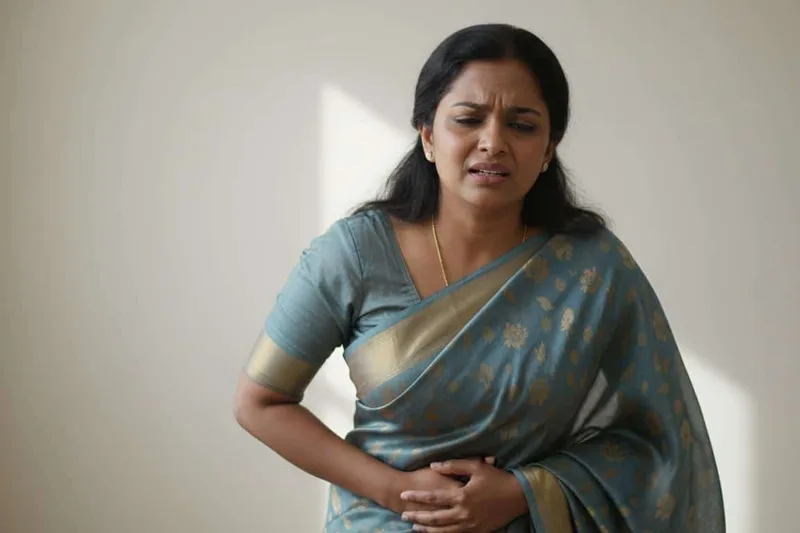
Have you ever been stuck in the bathroom, feeling sick, and having a really hard time? What do you think about that? If you've had that experience, then you probably know what diarrhea is. But while it may come and go for some people, it can also be quite serious. So, let's talk about it in a little more detail , shall we?
What is diarrhea? Simply put...
Simply put, diarrhea is when your bowel movements are watery, like water . Not normally, but you have to go to the toilet several times a day. This happens when the amount of water in your large intestine increases. When we excrete waste from our body, that is, when we poop, there is a certain amount of water in it. But if this amount of water increases more than necessary, then this condition of diarrhea occurs.
Imagine, it's like a bucket of water being tipped over. The same thing happens inside the intestines. That's why you often have to go to the toilet, like water.
Why do we get diarrhea? Could there be many reasons?
Yes, there are actually many reasons why diarrhea can occur. Some are very minor, but some are more serious. Let's take a look at the main causes.
1. Infections
This is the most common reason . Just like what happened to our uncle Siripala, after eating out one day and coming home, he feels a stomach ache and keeps running to the toilet. This is what happens when germs enter the body.
- Viruses: Rotavirus is the main type of virus that causes diarrhea in young children. Norovirus is also a common cause of diarrhea in adults. These are very contagious.
- Bacteria: These are spread through contaminated food and water. Diarrhea caused by bacteria such as `(E. coli)`, `(Salmonella)`, `(Shigella)`, `(Campylobacter)` can sometimes be quite severe. It can be accompanied by fever and stomach ache.
- Parasites: This condition can be caused by drinking contaminated water or eating food prepared with contaminated water that contains parasites such as Giardia and Cryptosporidium.
2. Food-related issues
- Food poisoning: This can happen when you eat spoiled or undercooked food.
- Food intolerances: For example, some people experience bloating after drinking milk. This is called ``Lactose intolerance.'' This means that their bodies have difficulty digesting the sugar lactose found in milk.
- Food allergies: People who are allergic to certain foods can also experience diarrhea.
3. Medications
Diarrhea can be a side effect of some medications, especially antibiotics, because antibiotics kill the good bacteria in our intestines.
4. Stress and Anxiety
You may be surprised, but some people can experience bloating during times of extreme stress, such as when an exam is approaching.
5. Other medical conditions
Some long-term medical conditions can also cause diarrhea. For example:
- Irritable Bowel Syndrome (IBS): This causes stomach cramps and bloating, along with diarrhea for some people and constipation for others.
- Inflammatory Bowel Disease (IBD): This is an inflammation of the intestines. Crohn's disease and Ulcerative colitis are two diseases that belong to this category.
What are the symptoms of diarrhea?
The main thing is that the bowel movements are frequent, watery, and watery . However, these things may also be present:
- Stomach cramps and vomiting.
- Fever (sometimes).
- Nausea, vomiting.
- Feeling full, feeling like your stomach is full of air.
- The most dangerous and concerning thing is dehydration.
What is dehydration? Is it dangerous?
Yes, dehydration is the loss of water from the body. Diarrhea can cause dehydration because the body loses a lot of water. This is especially dangerous for young children and the elderly.
Symptoms of dehydration may include these, so keep them in mind:
- Mouth and tongue dry.
- Excessive thirst.
- The amount of urine produced decreases, and the urine becomes dark yellow.
- The eyes look sunken.
- The skin becomes dry, and if you touch it and pull it away, it will return to normal (skin turgor).
- Dizziness, feeling light-headed.
- In young children, tears do not come out when they cry, the "fontanelle" on the forehead appears sunken, and they appear very sleepy.
If you have symptoms like these, it is very important to seek medical advice immediately.
When should we see a doctor if we have diarrhea?
Most cases of diarrhea resolve on their own within two to three days, but you should definitely see a doctor in these cases:
- If an adult:
- If you have bowel movements too many times a day (e.g. more than 6-8 times).
- If you have a high fever (over 102°F or 38.9°C).
- If you have severe stomach pain.
- If there is blood or pus in the stool (if it is black or dark red).
- If there are signs of dehydration (which we talked about earlier).
- If you have diarrhea for more than two days.
- If you are elderly or have a weakened immune system (e.g., someone with diabetes or cancer).
- If you are a young child (especially under one year old):
- In any case of diarrhea, especially in a baby under 6 months of age , seek medical advice immediately.
- If there are signs of dehydration (this is very important!).
- If you have a high fever.
- If there is blood or pus when you defecate.
- If the baby is very lethargic and sleepy.
- If you haven't urinated for 8-12 hours.
- If you keep crying because of stomach pain.
How to get relief from diarrhea at home?
There are several things you can do at home for mild diarrhea. The main thing is to drink plenty of fluids.
1. Water and salts (Hydration):
- Oral Rehydration Salts (ORS) are the best. Get a packet from the pharmacy, dilute it with water exactly as directed, and drink it slowly. This will help replace both the water and salts lost by the body.
- If you can't make it, drink some boiled water.
- Light soups (e.g. vegetable broth, chicken soup).
- Low-sugar fruit juices (things like apple juice can be diluted with a little water and drunk).
- Things like milk, coffee, tea, sweet drinks, and alcohol are not good to drink when you have diarrhea. They can make the condition worse.
2. Diet:
- It is best to avoid spicy foods, fatty foods, and foods high in fiber during the first few hours of diarrhea.
- Start eating small amounts of light, easily digestible foods. Examples:
- Rice (without rice)
- Boiled potatoes
- Bread (white bread, wholemeal bread)
- Banana
- Boiled chicken (skinless)
- Crackers
- Some people talk about the BRAT diet (Bananas, Rice, Applesauce, Toast). These are easy to digest.
- Gradually get used to a normal diet.
3. Rest:
- Give your body a good rest.
4. Do not take anti-diarrheal medications without medical advice. Sometimes, especially if the diarrhea is caused by an infection, these medications can cause the bacteria to get stuck inside the body and make the condition worse. Use only if prescribed by a doctor.
What can we do to prevent diarrhea?
"Prevention is better than cure," they say. So here are some things you can do to reduce your chances of getting diarrhea:
- Handwashing: This is the most important thing . Wash your hands thoroughly with soap and water after using the toilet, before eating, before preparing food, and after changing a baby's diaper. Rub your hands together for at least 20 seconds.
- Food Safety:
- Cook food thoroughly, especially meat, fish, and eggs.
- Wash vegetables and fruits thoroughly before eating.
- Reduce the consumption of food and water from unclean places as much as possible.
- Don't eat spoiled food.
- Avoid unpasteurized milk and dairy foods.
- Clean water: Always drink only clean, safe water. If in doubt, drink boiled water.
- Vaccination: There is a vaccine for small babies to prevent `(Rotavirus)` diarrhea. Give it on time.
Finally, things to remember (Take-Home Message)
Diarrhea is a common condition that can affect anyone and usually resolves within a few days. However, it is not something to be taken lightly.
The most important things to remember:
- Dehydration is the biggest risk with diarrhea. So give your body plenty of fluids, especially ORS.
- Young children, the elderly, and those with weakened immune systems should be especially careful about diarrhea.
- If you have dangerous symptoms such as fever, severe stomach pain, or bleeding, seek medical advice immediately.
- Cleanliness is the best way to prevent diarrhea. Make it a habit to wash your hands thoroughly and eat clean food and drink.
I hope you find this information useful. Stay healthy!
` Diarrhea, flatulence, dehydration, nausea, food poisoning, infections, health


💬 Comments (0)
No comments yet. Be the first to share your thoughts here.
Add Your Comment