
Do we really know about these annoying mouth sores (Canker Sores)?

Do we really know about these annoying mouth sores (Canker Sores)?

Do you also have small, white, round sores inside your mouth, sometimes under your lips, and under your tongue? These small sores that feel like your mouth has been cut, and that hurt a lot when you try to eat or sometimes talk, are very annoying, aren't they? These are what we often call 'mouth sores' or medically known as `(Canker Sores)` or `( Aphthous Ulcers )`. So today, let's talk about what these `(Canker Sores)` are, why they form, and what we can do to get rid of this trouble.
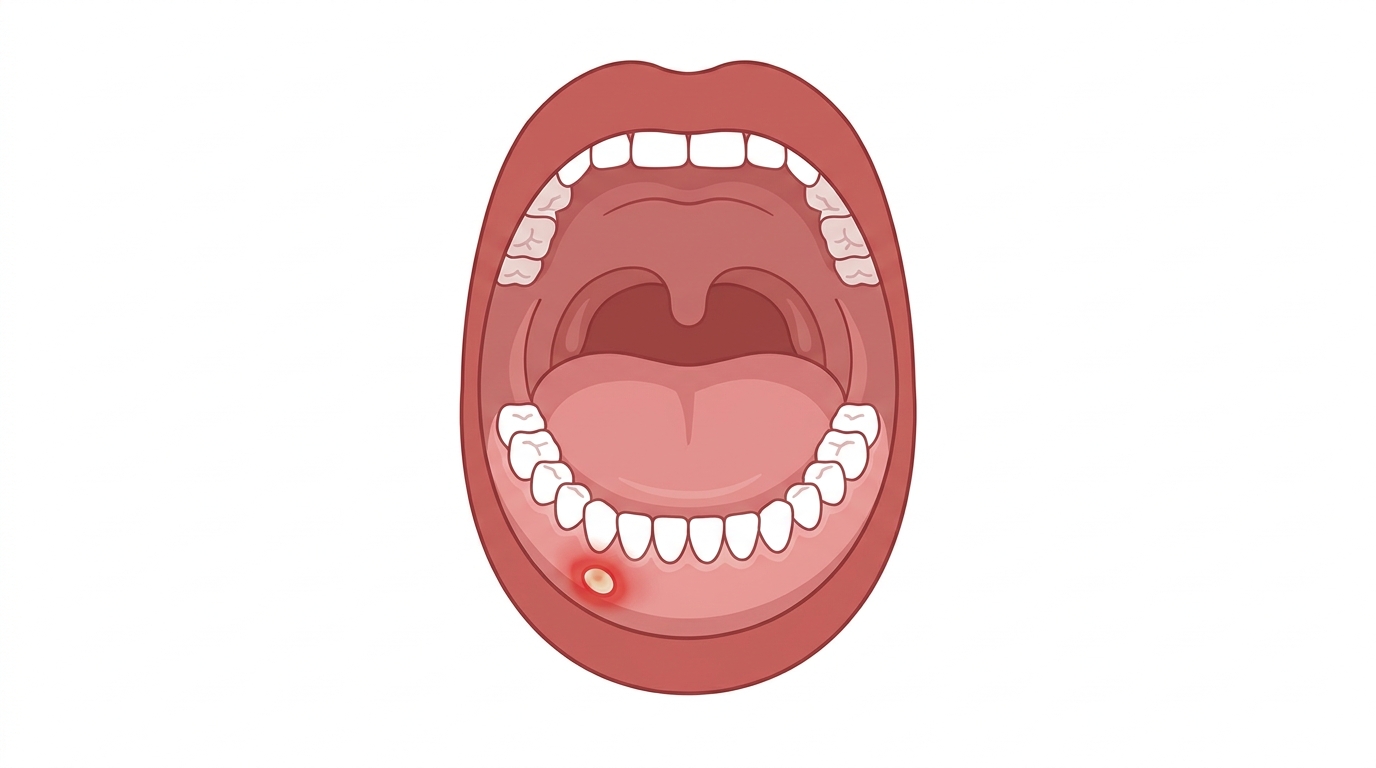
What are these 'Canker Sores'? A detailed description...

Simply put, a ``Canker Sore'' is a small, painful sore that develops on the soft tissues inside our mouth (such as the inside of the lips, inside the cheeks, the base of the gums, the top or bottom of the tongue). These are usually round or oval in shape. The center can be seen covered with a white or yellow membrane. It is surrounded by a red, swollen area.

Think of it like a small hole. These lesions can range in size from a few millimeters to a centimeter. Sometimes there may be just one lesion, or they may appear in clusters in several places at once. These are not contagious, meaning they are not spread from one person to another.

The most important thing is that these `( Canker Sores )` are caused by the herpes virus `(Herpes Simplex Virus)` and should not be confused with `(Cold Sores)` or fever blisters that occur around the lips. The two are completely different conditions. `(Canker Sores)` occur inside the mouth. `(Cold Sores)` are usually seen around the lips, outside the mouth.

Why do we get these mouth sores? What are the causes?

It's hard to pinpoint one specific cause of canker sores. However, doctors and researchers believe that there are a number of factors that can contribute to the development of canker sores. Sometimes, one or more of these factors come together to cause these sores.

Let's see what the main factors are:

Minor Injuries

Minor injuries inside the mouth, for example:

  • Hitting the toothbrush hard while brushing your teeth.
  • Unintentionally biting the inside of the cheek.
  • Biting on sharp pieces of teeth.
  • Minor injuries caused by some dental instruments .
  • Tingling inside the mouth when eating spicy food (e.g. corn on the cob).

Small injuries like these can later lead to the development of ``Canker Sores''.

Certain Foods

Some people say they get mouth sores more often when they eat certain foods, including:

  • Acidic fruits (like oranges, lemons, pineapples, strawberries).
  • Chocolate.
  • Coffee .
  • Some types of cheese.
  • Nuts like peanuts .
  • Spicy, hot food.

These don't affect everyone, but if you frequently get mouth sores, it's a good idea to be a little more careful about what you eat and see if any foods are causing this condition.

Vitamin and Mineral Deficiencies

Canker sores can also occur when certain nutrients are lacking in the body. Specifically:

When these are depleted, the cells inside the mouth are not properly maintained, increasing the risk of injury.

Stress

A problem that many people have these days is stress. You probably know from experience that these ``Canker Sores`` appear during exams, during overwork, or when there are family problems . Stress weakens our body's immune system , which is why these conditions can occur.

Hormonal Changes

Women, especially, can develop canker sores due to hormonal changes associated with their menstrual cycle. Some people also experience this condition during pregnancy.

Immune System Issues

Our body's immune system can sometimes mistakenly attack healthy cells in the mouth. This autoimmune reaction can also cause canker sores. They can also occur more frequently in people with immune-suppressing diseases like HIV/AIDS.

Genetic Factors

If someone in your family has frequent canker sores, you are more likely to develop them too. This means there may be a genetic predisposition to this.

Toothpastes and Mouth Rinses

It has been found that some people can develop canker sores due to the chemical ``Sodium Lauryl Sulfate (SLS)`` found in some toothpastes and mouthwashes. If you have this problem regularly, you can try using ``SLS``-free products.

Certain Medications

Some medications, for example, high blood pressure medications such as beta-blockers and pain relievers such as NSAIDs, can cause canker sores as a side effect.

What are the symptoms of 'canker sores'?

The main symptom is pain . This pain may increase when eating, drinking, or talking.

In addition:

  • A day or two before the injury occurs , there may be a burning sensation or numbness in the area.You can feel it.
  • The lesion is white, yellow, or gray in color, with a red border around it.
  • It usually takes 7-14 days for a wound to heal. Larger wounds may take several weeks.
  • Sometimes, in severe cases, symptoms such as fever and swollen lymph nodes (swollen glands ) can also be seen.

Are there types of these?

Yes, `(Canker Sores)` can be divided into three main types:

1. Minor Canker Sores:

  • These are the most commonly seen.
  • Small in size (less than 10 mm).
  • It usually heals without any scarring in a week or two.
  • The pain may be mild.

2. Major Canker Sores:

  • These are large in size (more than 10 mm) and deep.
  • It may take several weeks (maybe a month or two) to heal.
  • A scar may remain after healing.
  • These are very painful.

3. Herpetiform Canker Sores:

  • This name has nothing to do with the herpes virus.
  • These are very small (1-2 mm) lesions that form a cluster of many lesions that come together.
  • This cluster can look like one big wound.
  • These are most commonly seen in adulthood.
  • It takes about a week or two to heal, and there are no scars left.

What remedies can be done at home?

Most of the time, these ``Canker Sores'' heal within a week or two without any special treatment. However, there are a few things we can do at home to help reduce the pain and speed up the healing process:

  • Gargle with salt water: Dissolve about a teaspoon of salt in a cup of warm water and rinse your mouth with the water several times a day. This will clean the wound and reduce the pain a bit.
  • Avoid spicy, acidic, and hard foods: Reduce your intake of things like oranges, pineapple, tomatoes, and hot peppers on days when you have a sore. Be careful with hard foods like biscuits and bread crusts, as they can also irritate your mouth.
  • Dairy foods: Eating things like yogurt and skim milk can provide relief.
  • Foods or supplements containing vitamin B: If these are caused by a vitamin B deficiency, it is important to address it.
  • Topical anesthetics are available at pharmacies and can be applied to the wound to reduce pain and temporarily numb it. There are also pastes that can be used to seal and protect the wound.
  • Use a soft toothbrush: Brushing with a hard toothbrush when you have mouth sores can make the sores worse.
  • Drink plenty of water: Don't keep your mouth dry.

Remember: Do not put anything like aspirin directly on the wound. This can make the wound worse, as it can cause a chemical burn.

When should I see a doctor?

Canker sores are usually nothing to worry about. However, it is a good idea to see a doctor in these cases:

  • If the wound is very large.
  • If you get frequent (several times a month) sores.
  • If the wound has not healed for more than three weeks.
  • If the pain is so severe that you can't even eat or drink water.
  • If the mouth sores are accompanied by other symptoms such as high fever, body aches, diarrhea, or skin rashes.
  • If the sores seem to be spreading to the outside of the lips instead of inside the mouth (it could be a `Cold Sore`).

A doctor can look at your condition closely to determine if it is a canker sore or a sign of something more serious. Sometimes, a biopsy may be needed to take a small piece of tissue and examine it.

What medical treatments are available?

Most of the time, home remedies are sufficient. However, in severe cases, doctors may prescribe treatments such as:

  • Antimicrobial Mouth Rinses: These help prevent the wound from becoming infected.
  • Corticosteroid ointments or mouthwashes: These reduce swelling and pain in the wound. They can sometimes be given in pill form.
  • Pain-relieving ointments: Stronger gels or liquids than those available at the pharmacy.
  • Nutritional supplements: Treat vitamin or mineral deficiencies if they exist.
  • Cauterization: Sometimes a chemical such as silver nitrate is used to cauterize the wound. This can quickly reduce pain.

Can these be prevented from occurring again?

Although it is difficult to prevent canker sores completely, the following can help reduce the frequency of recurrence:

  • Eat a balanced diet: Eat more foods rich in vitamins and minerals (vegetables, fruits, and greens).
  • Reduce the risk of mouth ulcers: Brush your teeth regularly and chew your food slowly.
  • Identify foods that are bad for you and avoid them.
  • Manage stress: Engage in activities like yoga, meditation, and get enough sleep.
  • Try using SLS-free toothpaste.
  • Maintain good oral hygiene.

Finally, things to remember (Take-Home Message)

Okay, so we've talked a lot about ``Canker Sores'' today, haven't we? Remember, these mouth sores are very common. Most of the time, they're nothing to worry about, and they heal on their own in a week or two.

The most important thing is, if you have these sores frequently, if they take a long time to heal, or if the pain is unbearable, you should definitely seek medical advice.Because sometimes these can be a symptom of another underlying disease.

So, don't panic when you get a mouth ulcer, try some of the home remedies we've discussed. If the problem persists, it's wise to see a doctor for proper advice. Good health to all!

👩🏽‍⚕️ Additional questions (FAQs)

💬 Why do these white canker sores appear inside the mouth?

There is no single cause for these to develop. However, these sores can also be caused by chewing inside the mouth, excessive stress, increased body temperature, vitamin and iron deficiencies, and eating too much of certain fruits (limes, oranges, pineapples).

💬 What can you do at home to heal mouth sores quickly?

Regular saltwater rinses are very effective. Also, avoid eating spicy and oily foods that cause inflammation. If there is pain, you can also place an ice cube on the wound.

💬 Are these wounds and cold sores two different diseases?

Yes! These sores occur inside the mouth and are not contagious. However, cold sores on the outside of the lips are a different type of sore caused by the herpes virus. They can be transmitted from one person to another.


` canker sores, mouth ulcers, aphthous ulcers, oral health, painful ulcers, Sinhala medical article, mouth ulcers (avoid this Tamil word)

⚠️ Important: The medical articles and information on Nirogi Lanka are for general awareness only, and are by no means a substitute for professional medical advice, diagnosis, or treatment. For any medical problem you have, consult a qualified physician immediately.

💬 Comments (0)

No comments yet. Be the first to share your thoughts here.

Add Your Comment

Please calculate: 8 + 4 =
Do we really know about these annoying mouth sores (Canker Sores)?
Root of the MatterMarch 31, 2026

Do we really know about these annoying mouth sores (Canker Sores)?

Do you also have small, white, round sores inside your mouth, sometimes under your lips, and under your tongue? These small sores that feel like your mouth has been cut, and that hurt a lot when you try to eat or sometimes talk, are very annoying, aren't they? These are what we often call 'mouth sores' or medically known as `(Canker Sores)` or `( Aphthous Ulcers )`. So today, let's talk about what these `(Canker Sores)` are, why they form, and what we can do to get rid of this trouble.

What are these 'Canker Sores'? A detailed description...

Simply put, a ``Canker Sore'' is a small, painful sore that develops on the soft tissues inside our mouth (such as the inside of the lips, inside the cheeks, the base of the gums, the top or bottom of the tongue). These are usually round or oval in shape. The center can be seen covered with a white or yellow membrane. It is surrounded by a red, swollen area.

Think of it like a small hole. These lesions can range in size from a few millimeters to a centimeter. Sometimes there may be just one lesion, or they may appear in clusters in several places at once. These are not contagious, meaning they are not spread from one person to another.

The most important thing is that these `( Canker Sores )` are caused by the herpes virus `(Herpes Simplex Virus)` and should not be confused with `(Cold Sores)` or fever blisters that occur around the lips. The two are completely different conditions. `(Canker Sores)` occur inside the mouth. `(Cold Sores)` are usually seen around the lips, outside the mouth.

Why do we get these mouth sores? What are the causes?

It's hard to pinpoint one specific cause of canker sores. However, doctors and researchers believe that there are a number of factors that can contribute to the development of canker sores. Sometimes, one or more of these factors come together to cause these sores.

Let's see what the main factors are:

Minor Injuries

Minor injuries inside the mouth, for example:

  • Hitting the toothbrush hard while brushing your teeth.
  • Unintentionally biting the inside of the cheek.
  • Biting on sharp pieces of teeth.
  • Minor injuries caused by some dental instruments .
  • Tingling inside the mouth when eating spicy food (e.g. corn on the cob).

Small injuries like these can later lead to the development of ``Canker Sores''.

Certain Foods

Some people say they get mouth sores more often when they eat certain foods, including:

  • Acidic fruits (like oranges, lemons, pineapples, strawberries).
  • Chocolate.
  • Coffee .
  • Some types of cheese.
  • Nuts like peanuts .
  • Spicy, hot food.

These don't affect everyone, but if you frequently get mouth sores, it's a good idea to be a little more careful about what you eat and see if any foods are causing this condition.

Vitamin and Mineral Deficiencies

Canker sores can also occur when certain nutrients are lacking in the body. Specifically:

When these are depleted, the cells inside the mouth are not properly maintained, increasing the risk of injury.

Stress

A problem that many people have these days is stress. You probably know from experience that these ``Canker Sores`` appear during exams, during overwork, or when there are family problems . Stress weakens our body's immune system , which is why these conditions can occur.

Hormonal Changes

Women, especially, can develop canker sores due to hormonal changes associated with their menstrual cycle. Some people also experience this condition during pregnancy.

Immune System Issues

Our body's immune system can sometimes mistakenly attack healthy cells in the mouth. This autoimmune reaction can also cause canker sores. They can also occur more frequently in people with immune-suppressing diseases like HIV/AIDS.

Genetic Factors

If someone in your family has frequent canker sores, you are more likely to develop them too. This means there may be a genetic predisposition to this.

Toothpastes and Mouth Rinses

It has been found that some people can develop canker sores due to the chemical ``Sodium Lauryl Sulfate (SLS)`` found in some toothpastes and mouthwashes. If you have this problem regularly, you can try using ``SLS``-free products.

Certain Medications

Some medications, for example, high blood pressure medications such as beta-blockers and pain relievers such as NSAIDs, can cause canker sores as a side effect.

What are the symptoms of 'canker sores'?

The main symptom is pain . This pain may increase when eating, drinking, or talking.

In addition:

  • A day or two before the injury occurs , there may be a burning sensation or numbness in the area.You can feel it.
  • The lesion is white, yellow, or gray in color, with a red border around it.
  • It usually takes 7-14 days for a wound to heal. Larger wounds may take several weeks.
  • Sometimes, in severe cases, symptoms such as fever and swollen lymph nodes (swollen glands ) can also be seen.

Are there types of these?

Yes, `(Canker Sores)` can be divided into three main types:

1. Minor Canker Sores:

  • These are the most commonly seen.
  • Small in size (less than 10 mm).
  • It usually heals without any scarring in a week or two.
  • The pain may be mild.

2. Major Canker Sores:

  • These are large in size (more than 10 mm) and deep.
  • It may take several weeks (maybe a month or two) to heal.
  • A scar may remain after healing.
  • These are very painful.

3. Herpetiform Canker Sores:

  • This name has nothing to do with the herpes virus.
  • These are very small (1-2 mm) lesions that form a cluster of many lesions that come together.
  • This cluster can look like one big wound.
  • These are most commonly seen in adulthood.
  • It takes about a week or two to heal, and there are no scars left.

What remedies can be done at home?

Most of the time, these ``Canker Sores'' heal within a week or two without any special treatment. However, there are a few things we can do at home to help reduce the pain and speed up the healing process:

  • Gargle with salt water: Dissolve about a teaspoon of salt in a cup of warm water and rinse your mouth with the water several times a day. This will clean the wound and reduce the pain a bit.
  • Avoid spicy, acidic, and hard foods: Reduce your intake of things like oranges, pineapple, tomatoes, and hot peppers on days when you have a sore. Be careful with hard foods like biscuits and bread crusts, as they can also irritate your mouth.
  • Dairy foods: Eating things like yogurt and skim milk can provide relief.
  • Foods or supplements containing vitamin B: If these are caused by a vitamin B deficiency, it is important to address it.
  • Topical anesthetics are available at pharmacies and can be applied to the wound to reduce pain and temporarily numb it. There are also pastes that can be used to seal and protect the wound.
  • Use a soft toothbrush: Brushing with a hard toothbrush when you have mouth sores can make the sores worse.
  • Drink plenty of water: Don't keep your mouth dry.

Remember: Do not put anything like aspirin directly on the wound. This can make the wound worse, as it can cause a chemical burn.

When should I see a doctor?

Canker sores are usually nothing to worry about. However, it is a good idea to see a doctor in these cases:

  • If the wound is very large.
  • If you get frequent (several times a month) sores.
  • If the wound has not healed for more than three weeks.
  • If the pain is so severe that you can't even eat or drink water.
  • If the mouth sores are accompanied by other symptoms such as high fever, body aches, diarrhea, or skin rashes.
  • If the sores seem to be spreading to the outside of the lips instead of inside the mouth (it could be a `Cold Sore`).

A doctor can look at your condition closely to determine if it is a canker sore or a sign of something more serious. Sometimes, a biopsy may be needed to take a small piece of tissue and examine it.

What medical treatments are available?

Most of the time, home remedies are sufficient. However, in severe cases, doctors may prescribe treatments such as:

  • Antimicrobial Mouth Rinses: These help prevent the wound from becoming infected.
  • Corticosteroid ointments or mouthwashes: These reduce swelling and pain in the wound. They can sometimes be given in pill form.
  • Pain-relieving ointments: Stronger gels or liquids than those available at the pharmacy.
  • Nutritional supplements: Treat vitamin or mineral deficiencies if they exist.
  • Cauterization: Sometimes a chemical such as silver nitrate is used to cauterize the wound. This can quickly reduce pain.

Can these be prevented from occurring again?

Although it is difficult to prevent canker sores completely, the following can help reduce the frequency of recurrence:

  • Eat a balanced diet: Eat more foods rich in vitamins and minerals (vegetables, fruits, and greens).
  • Reduce the risk of mouth ulcers: Brush your teeth regularly and chew your food slowly.
  • Identify foods that are bad for you and avoid them.
  • Manage stress: Engage in activities like yoga, meditation, and get enough sleep.
  • Try using SLS-free toothpaste.
  • Maintain good oral hygiene.

Finally, things to remember (Take-Home Message)

Okay, so we've talked a lot about ``Canker Sores'' today, haven't we? Remember, these mouth sores are very common. Most of the time, they're nothing to worry about, and they heal on their own in a week or two.

The most important thing is, if you have these sores frequently, if they take a long time to heal, or if the pain is unbearable, you should definitely seek medical advice.Because sometimes these can be a symptom of another underlying disease.

So, don't panic when you get a mouth ulcer, try some of the home remedies we've discussed. If the problem persists, it's wise to see a doctor for proper advice. Good health to all!

👩🏽‍⚕️ Additional questions (FAQs)

💬 Why do these white canker sores appear inside the mouth?

There is no single cause for these to develop. However, these sores can also be caused by chewing inside the mouth, excessive stress, increased body temperature, vitamin and iron deficiencies, and eating too much of certain fruits (limes, oranges, pineapples).

💬 What can you do at home to heal mouth sores quickly?

Regular saltwater rinses are very effective. Also, avoid eating spicy and oily foods that cause inflammation. If there is pain, you can also place an ice cube on the wound.

💬 Are these wounds and cold sores two different diseases?

Yes! These sores occur inside the mouth and are not contagious. However, cold sores on the outside of the lips are a different type of sore caused by the herpes virus. They can be transmitted from one person to another.


` canker sores, mouth ulcers, aphthous ulcers, oral health, painful ulcers, Sinhala medical article, mouth ulcers (avoid this Tamil word)

⚠️ Important: The medical articles and information on Nirogi Lanka are for general awareness only, and are by no means a substitute for professional medical advice, diagnosis, or treatment. For any medical problem you have, consult a qualified physician immediately.

💬 Comments (0)

No comments yet. Be the first to share your thoughts here.

Add Your Comment

Please calculate: 8 + 4 =