
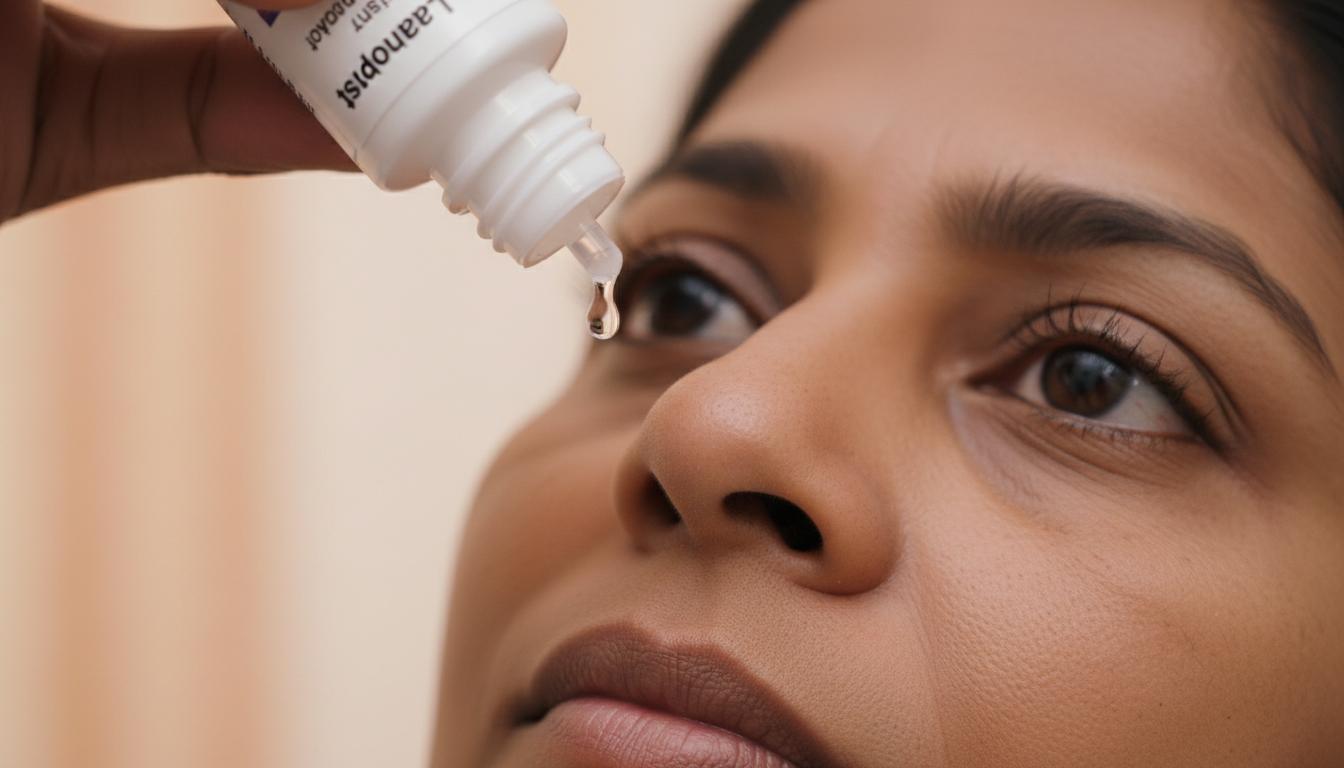
Did your doctor recently tell you that the pressure inside your eye is too high? Or maybe you were given a diagnosis of glaucoma and prescribed a special liquid medicine called eye drops?
If you or someone you love has been prescribed Latanoprost eye solution, you likely have many questions running through your head. You might wonder how to put the drops in safely, whether they will sting, or what kind of side effects to watch out for.
Taking a new prescription can feel overwhelming at first. Let us walk through everything you need to know about Latanoprost in clear, simple everyday words so you can feel confident about your eye care routine.
Key Takeaways About Latanoprost
- Latanoprost is a prescription eye drop used to lower high pressure inside your eye and manage glaucoma.
- It works by helping extra fluid drain out of your eye smoothly, which protects your optic nerve.
- You must wash your hands before use and avoid letting the dropper tip touch your eye or eyelashes.
- Common side effects include longer eyelashes, thicker eyelashes, and gradual changes in your eye color.
- Store unopened bottles in the refrigerator, and keep opened bottles at room temperature for up to six weeks.
Renal function (eGFR)
Measure kidney function based on creatinine value
Simply Put: What Is Latanoprost?
Latanoprost is a special prescription liquid medicine made specifically for your eyes. Doctors prescribe it when the pressure inside your eye gets too high, which is often linked to a condition called glaucoma.
Inside your eye, fluid is constantly being made and drained away. This natural balance keeps your eye healthy and functioning properly. Sometimes, the drainage channels get blocked or slow down, causing fluid to build up inside.
Think of it like blowing up a balloon with too much air. When too much fluid builds up, it creates high pressure that can push against and damage your optic nerve, which carries visual signals to your brain. Latanoprost helps drain out that extra fluid, lowers your eye pressure, and stops damage to your optic nerve.
You might receive this medicine under brand names like Xalatan or as a generic prescription. No matter the brand name on the bottle, the active medicine inside works the exact same way to protect your sight.
Things to Tell Your Doctor Before Starting This Medicine
Before you use Latanoprost for the first time, your doctor needs a complete picture of your health. Sharing your medical history helps ensure this medicine is safe and effective for you.
Be sure to tell your doctor right away if any of the following apply to you:
- Other Eye Conditions: You have closed-angle glaucoma, eye infections, eye inflammation, injuries, or recent eye surgery.
- Contact Lenses: You wear contact lenses every day or use them sometimes for vision correction.
- Allergies: You have ever had an allergic reaction to Latanoprost, preservatives like benzalkonium chloride, or any other medicines, foods, or dyes.
- Pregnancy and Nursing: You are currently pregnant, planning to become pregnant soon, or breastfeeding a baby.
Your doctor will review these details carefully to decide if Latanoprost is the right choice for your specific health needs.
How to Apply Your Eye Drops Correctly
To get the best results from your medicine, you must use it correctly every single day. Remember that this is an eye drop meant only for your eyes, never for swallowing.
Follow these simple step-by-step instructions for a safe application:
- Wash Your Hands: Clean your hands thoroughly with soap and water before and after putting in your drops.
- Prepare the Bottle: Take off the outer cap of the bottle and check the dropper tip to make sure it is clean.
- Tilt Your Head Back: Sit comfortably in a chair or lie down on your bed, and gently tilt your head backward.
- Pull Down Your Eyelid: Use your clean index finger to pull your lower eyelid down gently to create a small pocket.
- Apply the Drops: Hold the bottle upside down above your eye. Make sure the dropper tip never touches your eye, your eyelashes, or your skin, as this can introduce germs into the bottle. Squeeze the bottle gently to release the exact number of drops prescribed by your doctor into the pocket.
- Close Your Eyes: Close your eyes gently and keep them shut for one or two minutes. Do not blink rapidly. Press your finger gently on the corner of your eye near your nose for about one minute to keep the medicine from draining down your throat.
- Wait Between Medicines: If you use more than one type of eye drop, wait at least five minutes between each different medicine.
If you accidentally put too many drops in your eye, or if someone swallows this medicine by accident, call emergency services right away. In the US or Canada, call 911. In the UK, call 999. You can also contact your local poison control center or go straight to the nearest hospital emergency department (ER or A&E).
What to Do If You Miss a Dose
If you forget to use your eye drops at your usual time, put them in as soon as you remember. However, if it is almost time for your next scheduled dose, skip the missed dose entirely and stay on your normal routine.
Never use a double dose to make up for a missed application. Taking extra medicine will not help and may cause unwanted irritation.
Things to Watch Out For While Using This Medicine
Using Latanoprost requires a little extra attention to how your eyes feel and look over time. Keep these important care tips in mind:
- Regular Eye Exams: Visit your eye doctor regularly for scheduled checkups so they can measure your eye pressure and check your progress.
- Changes in Eye Color and Eyelashes: One of the most notable features of Latanoprost is that it can gradually change your appearance. Over months of use, the color of your colored part of the eye (iris) may turn more brown. Your eyelashes may also grow longer, thicker, darker, and more numerous. These changes happen slowly and can become permanent. If you only use the drops in one eye, your two eyes might look noticeably different. Talk to your doctor if you notice these changes.
- Contact Lenses: If you wear contact lenses, take them out before applying your eye drops. Wait at least 15 minutes after putting in the drops before putting your lenses back in your eyes.
- Sensitivity to Light: Some people find that their eyes feel more sensitive to bright sunlight while using this medicine. Wearing sunglasses when you go outside can help reduce this discomfort.
Potential Side Effects of Latanoprost
Like all medicines, Latanoprost can cause side effects, though many people experience very few problems. Reviewing these effects helps you know when to seek help.
| Side Effect Category | What to Look For |
|---|---|
| 🚨 Serious Side Effects (Call Your Doctor Right Away) | Allergic reactions such as skin rashes, itching, swelling of your face, lips, tongue, or throat; sudden changes in your vision; new or worsening eye pain, severe redness, burning, or unusual discharge. |
| 🙂 Mild Side Effects (Usually Do Not Need Emergency Care) | Mild blurred vision right after application, dry eyes, mild itching or stinging, watery eyes, and gradual darkening of the eyelashes or iris color. |
This list does not cover every possible side effect. If you notice any other unusual symptoms or physical changes, talk to your doctor or pharmacist right away.
When to Call Emergency Services
Seek emergency medical care right away if you experience severe eye trauma, sudden loss of vision, severe eye pain accompanied by vomiting and halos around lights, or signs of a severe allergic reaction like trouble breathing or swelling of your throat. Call 911 (US/Canada), 999 (UK), or visit your nearest emergency room.
How to Store Your Eye Drops Properly
Proper storage protects the quality and safety of your medicine so it remains effective throughout its lifespan.
- Unopened Bottles: Keep unopened bottles of Latanoprost safely stored in your refrigerator at temperatures between 2°C and 8°C (36°F to 46°F).
- Opened Bottles: Once you break the seal and open the bottle, you can store it at room temperature below 25°C (77°F). However, you must throw the bottle away and start a new one after six weeks, even if there is liquid left inside.
- Protect from Light: Keep your medicine bottle away from direct sunlight and bright window sills.
- Keep Out of Reach of Children: Always store your prescription eye drops in a secure location completely out of the sight and reach of young children and pets.
- Expiration Dates: Never use eye drops after the expiration date printed on the label has passed.
💡 Take-Home Message
Managing high eye pressure is an important step in preserving your long-term vision. Latanoprost is a powerful tool designed to protect your optic nerve when used consistently and correctly.
Always wash your hands before putting in your drops, protect the dropper tip from contamination, and store your medicine properly. Keep track of any changes in your eye color or eyelashes, and never hesitate to reach out to your doctor if you have questions or concerns.






No comments yet. Be the first to share your question or experience below.