
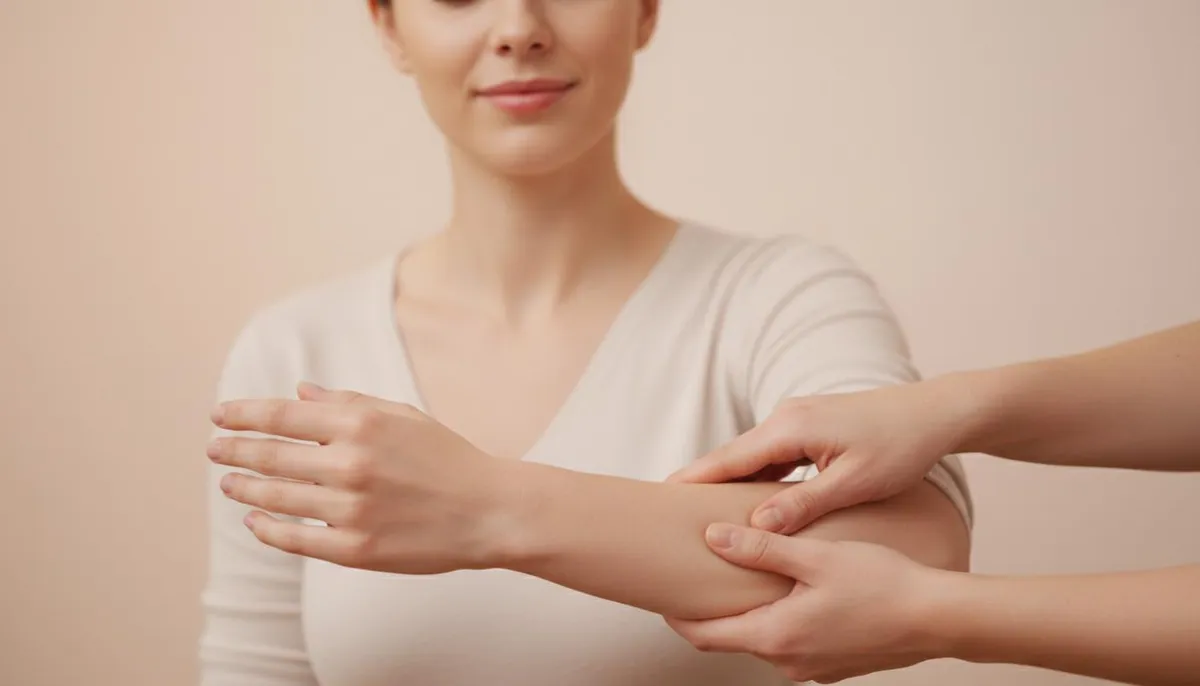
Do you notice your arms, legs, or ankles swelling for no clear reason? Perhaps you recently underwent surgery, such as for cancer treatment. Does your arm or leg feel heavy, tight, or swollen like a balloon? This swelling often happens when your body's fluid drainage network gets blocked. In these moments, a specialized technique called lymphatic drainage massage brings much-needed relief. Let us explore how this gentle massage works and whether it is right for you.
Living with swollen limbs can make everyday tasks frustrating and uncomfortable. You might find your rings feeling too tight or your shoes pinching your feet by the end of the day. Understanding what causes this fluid buildup is the first step toward finding relief. Let us break down how your fluid system works and how targeted massage techniques help restore balance.
Key Takeaways at a Glance
- Gentle Care: Lymphatic drainage massage uses very light, rhythmic pressure to move trapped fluid.
- Targeted Relief: It helps manage Lymphedema, often occurring after cancer surgery or lymph node removal.
- Safety First: Avoid this massage if you have blood clots, active infections, or severe heart and kidney conditions.
- Complete Care: Massage works best alongside compression garments and professional medical guidance.
- Professional Guidance: Always consult your doctor before starting any new massage therapy for swelling.
What Is the Lymphatic System?
Imagine your body as a large, bustling city. Every city needs a proper drainage network to clear out waste and extra debris so things run smoothly. Your body has a similar network called the lymphatic system.
This system plays a vital role in your body's immune defense. It consists of a vast web of tiny lymph vessels and small bean-shaped lymph nodes. Your cells constantly release extra fluid, waste, and bacteria into the surrounding tissue spaces. Your lymphatic system collects this fluid, filters it clean, and returns it safely to your bloodstream. Think of it as your body's internal waste collection and recycling service.
When this delicate filtration network works efficiently, your body stays balanced and healthy. However, when blockages occur, fluid builds up in the tissues. Recognizing how this system functions helps you understand why swelling happens when the flow slows down.
What Is Lymphedema?
As we mentioned, your body relies on the lymphatic system to clear out waste. If something damages this system or slows its work, what happens? The extra fluid, known as lymph fluid, starts getting trapped in one spot.
Simply put, just like a city drainage pipe getting blocked and flooding the streets, a blocked lymphatic system causes lymph fluid to pool between your tissues. Doctors call this medical condition Lymphedema.
This condition often appears after cancer surgeries. During breast cancer treatments, doctors sometimes need to remove nearby lymph nodes in the armpit to stop cancer cells from spreading. Because these nodes are missing, lymph fluid struggles to circulate freely down the arm, causing the arm to swell.
What Is Lymphatic Drainage Massage?
This treatment is a very gentle, soothing massage technique. Unlike deep tissue massages that press hard into your muscles, this method is entirely different. A trained therapist applies very light pressure in precise, rhythmic motions across your skin.
The goal is to gently guide trapped lymph fluid toward active, healthy lymph nodes where it can drain properly. Imagine gently nudging standing water in a blocked ditch toward an open pipe so it can flow away. This specialized massage stimulates your fluid system, reduces swelling, and brings comfort to your body.
Patients often feel deeply relaxed during the session because the strokes are so light and rhythmic. It does not hurt or leave bruises. Instead, it soothes your skin and helps your body process trapped fluids naturally.
Who Benefits From This Massage?
While doctors primarily recommend this treatment for Lymphedema, it helps manage several other health conditions as well. Here is a helpful guide to the conditions that may benefit from lymphatic drainage:
| Medical Condition | Simple Explanation |
|---|---|
| Lymphedema | Swelling in the arms or legs, especially after breast cancer surgery or lymph node removal. |
| Chronic Venous Insufficiency | Leg swelling caused by veins that struggle to pump blood efficiently back up to the heart. |
| Fibromyalgia | A condition causing widespread body pain and occasional soft tissue swelling that gentle massage can soothe. |
| Rheumatoid Arthritis | Inflammatory joint disease where gentle fluid movement helps ease joint stiffness and swelling. |
| Lipedema | Abnormal fat buildup in the lower body that causes tenderness, swelling, and discomfort. |
| Post-Surgical or Injury Swelling | Swelling that develops after physical trauma, sports injuries, or orthopedic surgeries. |
Some people also use this massage for cosmetic purposes. Facial lymphatic massage boosts blood circulation, reduces morning puffiness, and gives your skin a healthy, refreshed glow.
How to Tell If Your Lymphatic System Is Blocked?
Sometimes your lymphatic system slows down long before noticeable swelling appears. When fluid clearance becomes sluggish, your body may send subtle warning signs.
| Common Sign | What It Feels Like |
|---|---|
| Abdominal Bloating | Feeling unusually full or puffy in your stomach without an obvious dietary cause. |
| Brain Fog | Having mental sluggishness, lack of focus, and trouble collecting your thoughts. |
| Chronic Sinus Issues | Frequent stuffiness, sinus congestion, or lingering colds that take a long time to clear. |
| Persistent Fatigue | Feeling exhausted and drained all day, even after getting a full night of good sleep. |
| Swollen Limbs & Ankles | Noticeable puffiness in your fingers, hands, feet, or ankles, especially by the end of the day. |
| Skin Irritation | Dry skin, occasional rashes, or stubborn blemishes that do not respond to regular skincare. |
What Happens During the Massage?
During a session, your therapist starts by gently massaging areas where lymph nodes cluster in high numbers, such as your neck, armpits, and groin. This step clears the main drainage channels first, preparing your body to receive fluid from swollen areas.
Next, the therapist uses gentle strokes on the swollen limb. They push fluid slowly and methodically toward the cleared node pathways. Each movement follows the natural flow of your circulatory and fluid networks, ensuring safe and effective drainage.
What Are the Benefits? Are There Any Risks?
Like any medical or therapeutic treatment, lymphatic drainage offers wonderful benefits alongside important safety warnings you must keep in mind.
Benefits
- Boosts Immunity: Improved fluid flow supports your immune system in fighting off harmful bacteria.
- Reduces Swelling: It effectively drains excess trapped fluid from your tissues.
- Eases Pain: It relieves discomfort and heaviness caused by conditions like neuropathy.
- Lowers Stress: Gentle rhythmic massage calms your nervous system and relaxes your muscles.
- Improves Skin Health: Better circulation brings fresh nutrients to your skin cells.
Risks and When to Avoid This Massage
Crucial Warning: If you have any of the medical conditions listed below, never attempt this massage without explicit approval from your doctor.
Although lymphatic drainage is safe for most people, certain health conditions make it dangerous.
| Conditions That Restrict Lymphatic Massage | Why It Is Dangerous |
|---|---|
| Blood Clots (Deep Vein Thrombosis) | Massage pressure can dislodge a clot, sending it traveling to your lungs or heart with fatal results. |
| Heart Disease | Pumping extra fluid back into circulation can strain a weak heart and worsen heart failure. |
| Kidney Failure | Failing kidneys cannot process mobilized fluid, leading to dangerous fluid overload. |
| Active Infections or Fever | Massage can spread bacteria or viruses quickly through your bloodstream, causing systemic infection. |
| Cellulitis | A serious bacterial skin infection that worsens greatly when massaged. |
Also, therapists avoid massaging directly over active tumors or skin damaged by radiation therapy.
When Should You See a Doctor?
Monitor your symptoms closely and contact your doctor if your swelling changes rapidly. Certain warning signs require prompt medical attention.
⚠️ Emergency Red Flags – When to Seek Immediate Help
Call 911 (US/Canada), 999 (UK), or go to your nearest Emergency Department (ER / A&E) right away if you experience:
- Sudden, severe shortness of breath or chest pain after leg swelling.
- Rapidly spreading redness, extreme warmth, or red streaks extending from a swollen area.
- Sudden onset of severe pain in a swollen limb with a pale, cold appearance.
- High fever accompanied by chills and sudden worsening of limb swelling.
- Swelling in your arms, legs, or abdomen that gets progressively worse.
- Persistent stiffness or tightness in your joints.
- Skin that feels stretched, shiny, or tight over the swollen area.
- Clothing, rings, or shoes that suddenly feel much tighter than usual.
Living with swollen limbs can feel exhausting, heavy, and frustrating. If you have questions about whether lymphatic drainage massage is safe and effective for your specific condition, the best step is to have an open conversation with your doctor.
💡 Take-Home Message
- Lymphatic drainage massage is a very gentle technique designed to clear trapped fluid and reduce swelling.
- It provides valuable relief for Lymphedema, especially following cancer treatments and lymph node removal.
- Patients with heart disease, blood clots, kidney failure, or active infections must avoid this massage.
- Massage works best when combined with doctor-prescribed treatments like compression garments.
- Always learn self-massage techniques from a qualified professional before trying them at home.
Sources & References:
- Mayo Clinic: Lymphedema Overview and Management Guidelines. Mayo Clinic Website.
- NHS UK: Lymphoedema Causes, Symptoms, and Treatments. NHS UK Website.
- Cleveland Clinic: Lymphatic Drainage Massage Benefits and Safety. Cleveland Clinic Website.
- Centers for Disease Control and Prevention (CDC): Managing Chronic Swelling and Lymphedema. CDC Website.
- National Institutes of Health (NIH): Role of Manual Lymphatic Drainage in Clinical Practice. PubMed Central.






No comments yet. Be the first to share your question or experience below.