
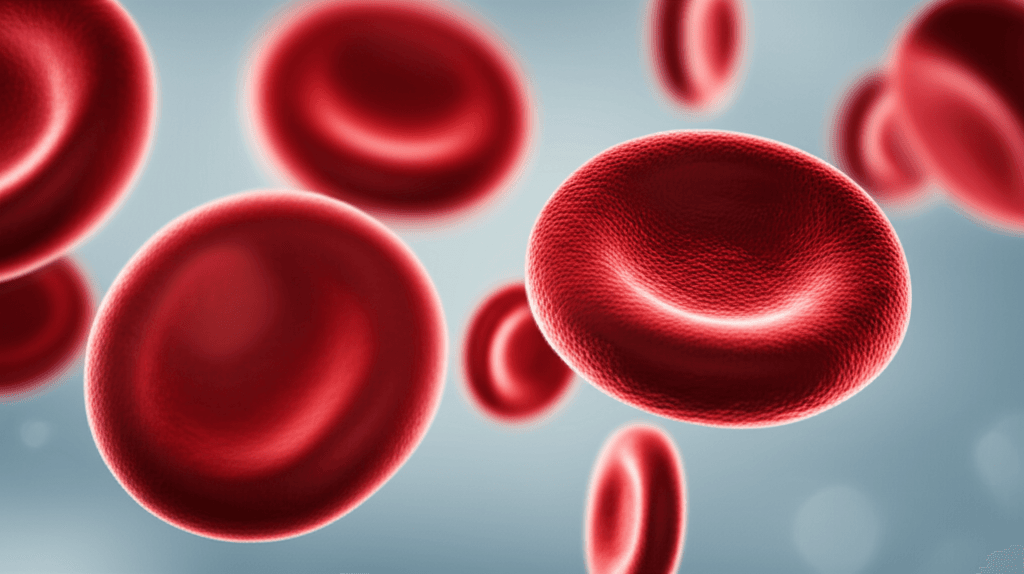
Have you ever looked at a blood test report and noticed your red blood cells were larger than normal? Or maybe your doctor mentioned a condition called macrocytosis during a checkup. Hearing about abnormal blood test results can feel scary and overwhelming, but there is no need to panic.
Macrocytosis is not actually a disease on its own. Instead, it is simply a helpful clue about how your body is making blood cells. Understanding this condition can help you take charge of your health and work closely with your doctor to find the exact cause.
Key Takeaways About Macrocytosis.
- Macrocytosis means your red blood cells are larger than normal, usually spotted on a routine blood test called a Complete Blood Count (CBC).
- It is measured by looking at your Mean Corpuscular Volume (MCV), with values above 100 fL classified as macrocytosis.
- Common causes include vitamin deficiencies, certain medicines, heavy alcohol use, and underlying health conditions like thyroid or liver issues.
- Treatment focuses entirely on fixing the root cause rather than just treating the larger cell size itself.
- Eating a balanced diet rich in vitamins and following up with your doctor helps keep your blood cells healthy.
TDEE Calculator
Calculate the number of calories needed per day to lose, gain or maintain weight
What Is Macrocytosis?
Put simply, macrocytosis means your red blood cells have grown larger than their normal size. It is not an illness by itself, but rather a sign that something else might be happening inside your body. You usually find out about this condition after getting a routine blood test called a Complete Blood Count (CBC) or Full Blood Count (FBC).
Doctors order a CBC test to check how your blood cells are working and to get a snapshot of your overall health. Your CBC report includes a number called MCV, which stands for Mean Corpuscular Volume. This number measures the average size of your red blood cells.
If you are an adult and your MCV value is higher than 100 femtoliters (100 fL), doctors call it macrocytosis. Most of the time, this finding is not dangerous or life-threatening. However, these oversized red blood cells might not be getting enough nutrients during their development.
When this happens, the cells struggle to do their main job of carrying oxygen all through your body. This condition is known as macrocytic anemia. If doctors do not treat macrocytic anemia properly, it can lead to other health problems.
How Common Is This Condition?
Looking at statistics worldwide, roughly 2% to 4% of the global population has macrocytosis. Among the people who have enlarged red blood cells, about 60% also have some form of anemia.
However, having macrocytosis without any signs of anemia is actually quite common in certain groups of people. For instance, doctors notice this pattern more often in young babies and older adults during routine blood checks.
What Are the Symptoms of Macrocytosis?
In many cases, the only sign that you have macrocytosis is an elevated MCV number on your lab report. This means your red blood cells are larger than normal, but you feel completely fine. If you do notice symptoms, they usually relate directly to whatever underlying health issue caused the cells to grow.
For example, if you have macrocytic anemia alongside macrocytosis, you might experience common anemia symptoms. These include feeling low on energy, extreme tiredness throughout the day, and having pale skin.
If a lack of certain vitamins caused your condition, you might notice other signs. These can include frequent loose stools, trouble remembering things clearly, or losing your physical balance while walking.
Because macrocytosis can stem from many different root causes, the symptoms you experience can vary widely from person to person.
What Causes Macrocytosis?
Your bone marrow is the spongy tissue inside your bones where your body creates new blood cells. Therefore, problems with how your bone marrow produces red blood cells or issues with cell structure can lead to macrocytosis.
Sometimes, your blood contains a high number of immature red blood cells known as reticulocytes. Because these young reticulocytes are naturally larger than mature red blood cells, they can cause your overall MCV score to rise.
Here are the most common reasons why macrocytosis happens:
Nutritional Deficiencies.
Your body needs essential nutrients like vitamin B12 and folate, also known as vitamin B9, to build healthy red blood cells. If your diet lacks these nutrients, or if your body cannot absorb them properly due to a medical condition, your red blood cells cannot develop correctly.
A shortage of vitamin B12 and folate is the primary reason why macrocytic anemia develops. For instance, people who eat very few green leafy vegetables and fresh fruits may develop a folate shortage over time. Similarly, people following strict vegan diets can sometimes develop a vitamin B12 shortage if they do not take fortified foods or supplements.
Certain medicines.
Taking specific prescription drugs can also cause your red blood cells to enlarge. Common examples include hydroxyurea, which doctors use for sickle cell disease, various chemotherapy medicines used to treat cancer, and antiretroviral therapy (ART) medicines used for HIV.
If you take any of these prescription medicines regularly, your doctor will likely monitor your blood counts closely and will already know about this potential side effect.
Alcohol Use.
Drinking alcohol heavily is another major cause of macrocytosis. Alcohol interferes with how your digestive system absorbs vital nutrients, especially the specific vitamins your body needs to build normal, healthy red blood cells.
Liver Disease.
Macrocytosis can sometimes point to an underlying liver problem. While liver disease often connects back to heavy alcohol use, other medical conditions and infections can also affect your liver function and lead to enlarged red blood cells.
Hemolytic Anemia.
In hemolytic anemia, an underlying medical issue causes your red blood cells to break down and die much sooner than normal. When this happens, your body tries to fix the shortage by rushing immature red blood cells, called reticulocytes, out into your bloodstream. These immature cells are larger, driving up your MCV value.
Heavy Blood Loss.
If you lose a large amount of blood due to an unexpected injury, surgery, or another medical event, your body rushes to replace the lost blood cells. Just like in hemolytic anemia, your bone marrow releases immature reticulocytes into your blood quickly, causing temporary macrocytosis.
Myelodysplastic Syndrome.
This condition involves a group of disorders where your bone marrow does not produce enough healthy blood cells. Because of this malfunction, your bone marrow fails to create normal red blood cells.
Hypothyroidism.
When your thyroid gland does not make enough thyroid hormones, a condition known as hypothyroidism, it can sometimes trigger macrocytosis. This can happen with or without accompanying anemia.
sometimes, doctors cannot find a clear, clear cause for macrocytosis. This happens most often when you have macrocytosis without any signs of anemia or other health problems.
How Do Doctors Diagnose Macrocytosis?
As we discussed earlier, macrocytosis is simply a descriptive term for enlarged red blood cells rather than a formal disease diagnosis. If your CBC report shows an MCV value higher than 100 fL, your doctor knows your red blood cells are larger than average.
Depending on how high your numbers are, your doctor may estimate the seriousness of the underlying issue. For example, if your MCV level is extremely high, such as between 110 and 115 fL, it often points to a severe macrocytic anemia condition like megaloblastic anemia.
Tests Used to Find the Cause of Macrocytosis.
If your doctor wants to investigate your enlarged red blood cells further, they will start by asking you detailed questions. They will review your medical history, ask about the medicines you take, discuss your daily diet, and ask about your alcohol use.
To pinpoint the exact cause, your doctor may recommend several specific diagnostic tests:
- Peripheral Blood Smear: A lab technician places a small sample of your blood under a microscope so a specialist can look closely at your red blood cells to spot any unusual shapes or structural problems.
- Vitamin B12 and Folate Level Tests: These blood tests measure your vitamin B12 and folate levels to check if a nutritional shortage is preventing your red blood cells from forming correctly.
- Reticulocyte Count: This test measures the exact number of immature red blood cells circulating in your blood, helping determine if rapid cell turnover is raising your MCV value.
- Liver Function Tests: These blood tests check how well your liver is working to ensure it can process the nutrients needed for healthy blood cell production.
- Bone Marrow Biopsy: If your doctor suspects a problem inside your bone marrow, they may perform a small biopsy. This involves taking a tiny sample of bone marrow tissue to examine the cells under a microscope for abnormalities.
How Is Macrocytosis Treated?
If you feel completely fine, have no symptoms of anemia, and your other lab results look normal, you may not need any medical treatment at all. Otherwise, your treatment plan will depend entirely on what caused your red blood cells to enlarge in the first place.
- If a nutritional shortage caused your macrocytosis, your doctor will guide you to change your diet or recommend vitamin supplements.
- If a prescription medicine caused the change, your doctor might adjust your medicine dosage or switch you to a different prescription drug.
- If you have macrocytosis along with severe anemia, your doctor may need to perform a blood transfusion to restore healthy cell counts quickly.
Most importantly, no matter what caused your macrocytosis, always follow the specific treatment plan your doctor creates for you.
Can Macrocytosis Be Reversed?
In most cases, treating the underlying cause successfully reverses macrocytosis and returns your red blood cells to a normal size. Be sure to talk with your doctor to understand how your specific treatment plan will improve your overall health.
How Can You Lower Your Risk of Macrocytosis?
While you cannot prevent every single cause of macrocytosis, you can lower your risk by building healthy lifestyle habits. For example:
- Eat foods rich in vitamin B12 and folate, such as fish, dairy products, eggs, leafy green vegetables, and fortified breakfast cereals, to protect against macrocytic anemia.
- Limit your alcohol intake to protect your digestive system and support healthy nutrient absorption.
- Never skip your routine annual blood tests. Doctors often discover macrocytosis by accident during standard blood work. Catching and diagnosing underlying issues early stops health problems from becoming severe.
When to Seek Emergency Medical Attention.
Most cases of macrocytosis develop gradually and do not require emergency care. However, if you experience severe symptoms such as chest pain, severe shortness of breath, sudden dizziness, fainting, or signs of severe bleeding, call 911 (US/Canada), 999 (UK), or go to your nearest Emergency Department (ER or A&E) right away.
What Happens If Macrocytosis Is Left Untreated?
Only a qualified doctor can determine whether your macrocytosis requires medical attention. If you have macrocytosis accompanied by anemia, getting treatment is essential. Leaving macrocytic anemia untreated can lead to serious health complications over time.
What Questions Should You Ask Your Doctor?
If your blood test shows that your red blood cells are larger than normal, make sure to follow your doctor's professional advice. Here are some helpful questions you can ask during your appointment:
- Should I feel worried that my MCV value is elevated?
- What specific tests do I need to find the cause of my macrocytosis?
- Do I need treatment for the root cause of my enlarged red blood cells?
- What lifestyle changes can I make to manage this condition safely?






No comments yet. Be the first to share your question or experience below.