
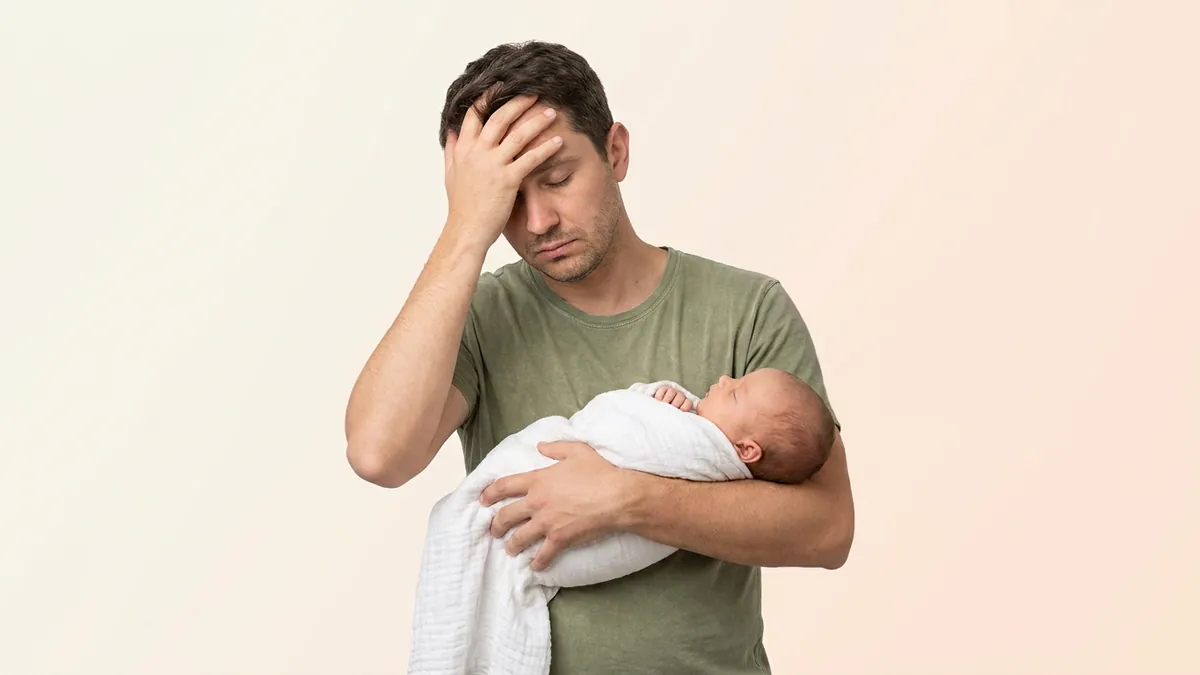
Welcoming a new baby into your family is an exciting and life-changing moment. You likely look forward to watching your baby grow, hearing their first laugh, and playing together every day. Yet, along with this deep joy come heavy new responsibilities, sleepless nights, and major changes in your daily routine.
While society talks a lot about how mothers struggle after childbirth, fathers face intense mental pressure too. Many people assume that only mothers experience postpartum depression. Because of this belief, fathers often suffer in silence without realizing what is happening to them.
Understanding that paternal postpartum depression is a real and common medical condition can change everything. Knowing the signs, talking openly about your feelings, and getting the right support will help you, your partner, and your newborn thrive.
Key Takeaways
- Postpartum depression affects about 1 in 10 new fathers worldwide.
- Lack of sleep, financial stress, and changing family roles are major triggers.
- Common warning signs include constant fatigue, extreme irritability, and losing interest in hobbies.
- Talking openly with your partner and seeking professional medical advice can lead to a full recovery.
- Asking for help is a sign of personal strength, not weakness.
PHQ-9 depression screener. A validated 9-question tool to assess depressive symptoms. Always consult a doctor for diagnosis and treatment.
Does Paternal Postpartum Depression Really Affect Fathers?
Yes, paternal postpartum depression is a recognized medical reality. While mothers experience major hormonal shifts after birth, fathers experience profound emotional, psychological, and lifestyle changes. Research shows that roughly one in every ten new fathers experiences clinical depression around the time of childbirth or during the baby's first year.
This number is surprisingly close to the rate atitis seen in mothers. However, society rarely discusses it. Medical experts point to several key factors that trigger depression in new fathers:
- Severe Sleep Deprivation: Caring for a newborn means your sleep gets interrupted constantly. Going weeks without deep, restful sleep takes a heavy toll on your brain chemistry and mental well-being.
- Increased Financial and Life Responsibilities: Becoming a father brings a sudden surge of pressure. Worrying about family expenses, long-term savings, and your baby's future can feel overwhelming.
- Shifting Family Patterns: Your old routines, personal freedom, and quiet time disappear overnight. When all attention shifts to the newborn, you might feel isolated or left out.
- Changes in Your Partner Relationship: Your partner's attention naturally focuses heavily on the baby. This sudden shift can alter your relationship dynamic and cause feelings of loneliness.
Traditional expectations make things harder. Society often tells men that they must remain strong and stoic. Phrases like "men do not cry" push many fathers to hide their emotional pain instead of seeking help.
Signs and Symptoms Every New Father Should Watch For
Your mental health matters just as much as your physical health. When you feel well, you can care for your partner and baby much better. Untreated depression can affect your ability to bond with your child and keep them safe. Watch out for these red flags:
| Symptom Category | What It Feels Like in Daily Life |
|---|---|
| Sleep and Appetite Changes | You know waking up is normal for a baby. But even when the baby sleeps, do you still lie awake for hours? Or do you sleep far too much while losing your appetite entirely? |
| Deep Fatigue and Low Energy | Do you feel completely drained of energy every single day? Even simple tasks like changing a diaper or washing dishes can feel like climbing a mountain. |
| Loss of Pleasure (Anhedonia) | Do hobbies you used to love, like sports, music, or talking with friends, feel completely boring now? You might even struggle to feel joy when holding your baby. |
| Irritability, Anger, and Sadness | Are you snapping at small things? Do you feel intense anger, sadness, or a nagging sense that you are failing as a father? These are classic signs of paternal depression. |
Important Note:
If these negative emotional changes last for more than two weeks in a row, do not wait to get help.
What Can You Do to Overcome Paternal Postpartum Depression?
You do not have to fight this battle alone. Small, intentional steps can help you regain your emotional balance and enjoy fatherhood.
Try to Get Enough Sleep
Sleep deprivation worsens anxiety and depression rapidly. Talk with your partner to create a night shift schedule. For example, take the first half of the night so your partner can sleep, and switch during the second half. Take a short nap during the day whenever possible to protect your brain health.
Talk About What Is on Your Mind
You do not have to carry your burdens in secret. Share your fears and frustrations openly with your partner. Saying "I am struggling right now" is not a weakness. It is a display of courage. Your partner likely feels overwhelmed too, and sharing your thoughts brings you closer together.
Take Some Time for Yourself
Dedicate 15 to 20 minutes every day to do something you personally enjoy. Read a book, listen to your favorite music, take a quick walk outside, or practice deep breathing exercises. Giving your mind a brief break lowers stress hormones and restores your focus.
Seek Medical Advice and Professional Support
If depressive symptoms persist for weeks and interfere with your daily life, schedule an appointment with your doctor right away. Professional counseling, therapy, or safe medicine can help you recover completely. Doctors understand paternal mental health and offer compassionate, confidential guidance.
Common Question: History of Depression
Many new fathers ask: "I had depression in the past. Does that mean my risk is higher now?"
Yes, a personal history of depression increases your vulnerability during the postpartum period. However, knowing your risk puts you in a strong position. You can prepare ahead, build a reliable support network of friends and family, and speak with your doctor before the baby arrives to set up an action plan.
When to Seek Emergency Medical Help
If you experience thoughts of self-harm, harming others, or severe hopelessness, seek immediate emergency help.
- Call 911 (US/Canada) or 999 (UK) right away.
- Go to the nearest Hospital Emergency Department (ER or A&E).
- Contact a trusted crisis helpline right away to speak with a trained counselor.
Comparison of Healthy Habits vs. Unhelpful Habits
Making conscious lifestyle choices helps you navigate the stress of early fatherhood successfully. Review this quick comparison to guide your daily decisions.
| Healthy Coping Approach | Unhelpful Habit to Avoid |
|---|---|
| Communicating openly with your partner about your exhaustion and emotional needs. | Isolating yourself and keeping all your worries bottled up inside. |
| Sharing nighttime baby duties so both parents get adequate rest. | Trying to handle every single night feeding and diaper change alone without rest. |
| Reaching out to doctors, therapists, or support groups when symptoms persist. | Ignoring persistent sadness and hoping it will magically disappear on its own. |
| Taking short breaks daily for physical movement, fresh air, and personal relaxation. | Working non-stop without taking a single moment to care for your own health. |
💡 Take-Home Message
- Postpartum depression affects fathers just as it affects mothers, and it is a completely valid medical condition.
- Watch closely for persistent changes in mood, sleep patterns, appetite, and energy levels.
- Talk openly about your feelings with your partner to build a strong team dynamic.
- Protect your mental health by sharing nighttime duties and taking small daily breaks.
- If depressive symptoms last for more than a couple of weeks, consult a doctor right away because asking for help is a sign of true strength.






No comments yet. Be the first to share your question or experience below.