
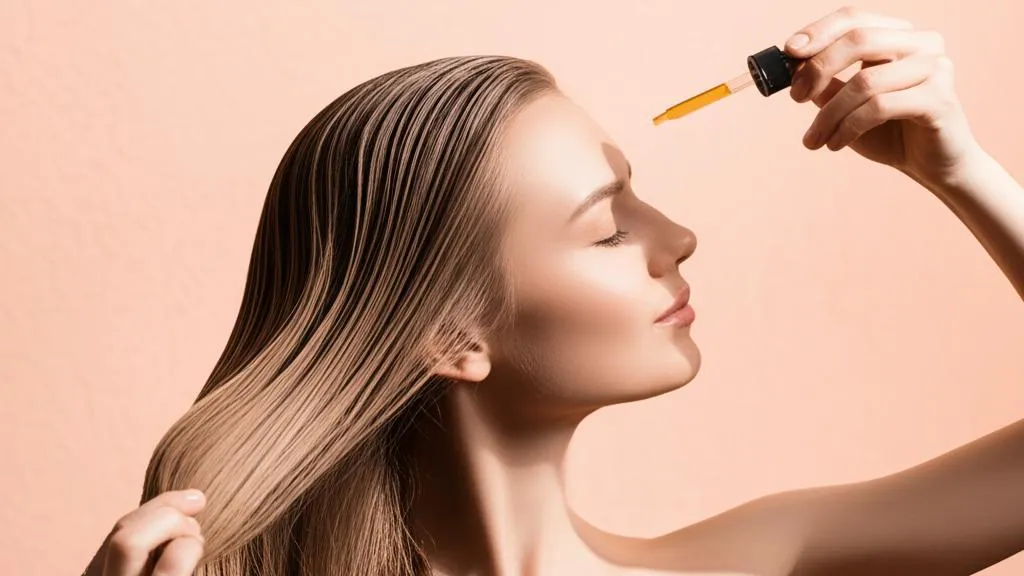
Are you looking at your hair care routine and wondering if natural oils can truly help? Walk down any supermarket aisle today, and you will see countless shampoos and serums claiming to harness the power of natural plant extracts. Many people also turn to kitchen remedies like coconut oil or castor oil for deep conditioning at home.
Using botanical oils is not a brand-new trend. For hundreds of years, people across different cultures have used natural plant oils for health and beauty routines. Today, we will explore the science behind hair oils, examine the key differences between various types, and learn how to use them safely at home.
Key Takeaways for Your Hair Care Journey
- Essential oils are highly concentrated plant extracts that must always be diluted before use.
- Carrier oils, such as coconut or jojoba oil, help safely transport powerful essential oils to your scalp.
- Always perform a patch test on your skin 24 hours before applying any new oil blend to your head.
- Massaging your scalp helps boost blood flow and supports healthy hair growth over time.
- Talk to your doctor if you have severe skin conditions, chronic dandruff, or persistent allergic reactions.
What Are Essential Oils and Carrier Oils?
You may have heard these terms before when reading product labels or beauty blogs. While both types come from plants, they have very different properties and purposes. Let us examine how they work.
Essential Oils: Concentrated Plant Power
Essential oils are the true essence of a plant. They are obtained by distilling parts of a plant, such as the leaves, flowers, bark, or roots. This process creates a very powerful, highly concentrated liquid.
These oils pack a tremendous amount of botanical power into a tiny bottle. For example, it takes about 100 kilograms of lavender flowers to make just one kilogram of lavender oil. Because they are so concentrated, they also carry the distinct natural scent of the plant.
Carrier Oils: The Gentle Base
Carrier oils also come from plants, but they are produced differently. Common examples include coconut oil, almond oil, olive oil, and jojoba oil. Unlike essential oils, carrier oils do not have an extreme concentration of active plant chemicals.
Carrier oils usually have a very mild scent or no scent at all. Why do we call them carrier oils? If you put a strong essential oil directly onto your bare skin, it can cause severe irritation, redness, or burning.
A carrier oil acts as a safe vehicle. You mix a few drops of the strong essential oil into a larger amount of carrier oil. This dilutes the mixture so you can massage it onto your scalp safely without harming your skin.
Several Hair-Friendly Oils and Their Benefits
Many different oils can support your hair health in unique ways. Some oils add moisture. This others soothe an itchy scalp or help strengthen hair strands. Review this helpful comparison table to find oils that match your hair goals.
| Oil Type | Hair and Scalp Benefits |
|---|---|
| Almond Oil | Soothes the scalp and provides deep moisture to dry strands. |
| Cedarwood Oil | Stimulates the scalp and supports healthy hair growth over time. |
| Chamomile Oil | Adds natural shine and softness while calming an irritated scalp. |
| Clary Sage Oil | Helps promote hair growth and balances scalp oil production. |
| Coconut Oil | Softens hair and boosts natural shine. Acts as a carrier oil. |
| Geranium Oil | Strengthens person hair strands and prevents breakage. |
| Jojoba Oil | Nourishes hair with moisture and stimulates the scalp. Acts as a carrier oil. |
| Lavender Oil | Provides deep conditioning, protects shine, and helps control dandruff. |
| Moroccan Argan Oil | Delivers rich moisture, essential nutrients, and protective antioxidants. |
| Rosemary Oil | Boosts blood flow to hair roots and supports active hair growth. |
| Sandalwood Oil | Treats dry, split ends and leaves a pleasant, lasting scent. |
Each of these botanical oils works differently depending on your unique hair type and needs. For instance, if you struggle with dry and brittle hair, rich oils like argan or coconut oil provide deep hydration. If your main goal is supporting hair thickness, rosemary or cedarwood oils can stimulate your scalp effectively.
How to Safely Use These Essential Oils on Your Hair
Now that you know more about different plant oils, let us discuss how to use them safely. This is a crucial step because improper use can lead to skin irritation, allergic reactions, or contact dermatitis.
Critical Safety Warning
Never apply pure essential oils directly to your bare scalp without diluting them first. Their high concentration can cause severe chemical irritation, burning sensations, or allergic rashes. Always mix essential oils into a carrier oil or shampoo before applying them to your skin.
How to Dilute Essential Oils Properly
You only need a very small amount of essential oil for your hair treatments. Proper dilution keeps your skin safe while still delivering all the botanical benefits.
Here are two safe ways to dilute your essential oils:
- Mix with Shampoo or Conditioner: You can add two to three drops of your chosen essential oil directly into your regular shampoo or conditioner bottle before washing.
- Mix with a Carrier Oil: This is the most recommended and safest method. Mix your essential oil into a nourishing carrier oil like coconut or almond oil. A safe general rule is to use three to five drops of essential oil for every two tablespoons (about 30 milliliters) of carrier oil.
How to Perform a Patch Test
Do you have sensitive skin or known allergies to certain plants? If so, you must always perform a patch test before putting any new oil blend on your head.
- Apply a small coin-sized amount of your diluted oil mixture onto a hidden patch of skin, such as behind your ear or on the inside of your elbow.
- Cover the test spot loosely with a clean bandage if possible, and leave it undisturbed for 24 hours.
- Check the skin area carefully after 24 hours. If you notice any redness, swelling, burning, or itching, wash the area thoroughly with soap and water and stop using that oil right away.
- If your skin remains calm and clear with zero irritation, the oil is likely safe for you to use on your scalp.
- If you experience a severe allergic reaction or blistering, wash the oil off right away and call your doctor for medical advice.
What to Do After Applying the Oil Blend?
Once you have prepared your safe oil blend, it is time to apply it to your hair and scalp. Pour a small amount of the oil mixture onto your fingertips.
Gently massage the oil directly into your scalp using circular motions for five to ten minutes. This gentle massage helps stimulate blood circulation in your hair follicles. Next, smooth any remaining oil down the length of your hair strands.
After applying the oil, cover your head to lock in natural body heat. You can use a disposable plastic shower cap or wrap your hair in a warm towel that you soaked in hot water and wrung out.
- You can leave this nourishing treatment on your hair for about 30 minutes before washing it out thoroughly with your regular shampoo.
- Alternatively, you can leave the oil treatment on your hair overnight for deep conditioning, then wash it out the next morning.
- Some people also apply a tiny drop of diluted oil to damp hair after washing to use as a lightweight leave-in conditioner.
Everyone has a unique hair texture and scalp type. Experiment gently with these different application methods to discover what works best for your personal hair care routine.
When to Seek Emergency Medical Attention
While natural oils are generally safe when diluted properly, severe reactions can sometimes occur. Call emergency services right away (dial 911 in the US and Canada, or 999 in the UK) or go to your nearest Emergency Department (ER or A&E) if you experience any of the following emergency red flags:
- Sudden swelling of your face, lips, tongue, or throat causing difficulty breathing or swallowing.
- Widespread hives, severe blistering, or intense burning across large areas of your skin and scalp.
- Dizziness, lightheadedness, or feeling faint after inhaling or applying concentrated essential oils.
- Severe skin infection signs, such as pus, fever, or spreading heat and redness around your hair roots.
💡 Take-Home Message
Using botanical oils can be a wonderful and relaxing addition to your self-care routine. However, safety and proper handling should always come first.
- Essential oils are highly concentrated plant extracts that must never be applied directly to bare skin without dilution.
- Always dilute essential oils in a safe carrier oil like coconut, jojoba, or almond oil before applying them to your scalp.
- Always perform a 24-hour patch test on your inner elbow or behind your ear before trying any new oil blend.
- If you have chronic skin disorders, severe eczema, psoriasis, or persistent scalp infections, consult your doctor before starting any new oil treatments.
- Remember that hair care results vary for every person. Take your time finding the right routine that matches your unique hair type.
Sources & Medical References
- Cleveland Clinic. (2023). Essential Oils: Benefits, Uses, and Safety Precautions. Available online at: Cleveland Clinic Health Library.
- Mayo Clinic. (2022). Aromatherapy: Is it safe and does it work? Available online at: Mayo Clinic Patient Care.
- National Health Service (NHS). (2023). Essential oils and skin safety guidelines. Available online at: NHS UK Health A-Z.
- Centers for Disease Control and Prevention (CDC). (2022). Dermatitis and Contact Allergies from Botanical Extracts. Available online at: CDC Workplace Safety and Health.
- National Institutes of Health (NIH) / PubMed. (2021). Hair growth promoting effects of botanical extracts and essential oils. DOI: 10.1517/14656566.2015.1013045.






No comments yet. Be the first to share your question or experience below.