

Expecting a baby is one of the most exciting journeys in your life. Naturally, you want the best possible health care for both you and your little one. That is where an obstetrician comes in to support you every step of the way.
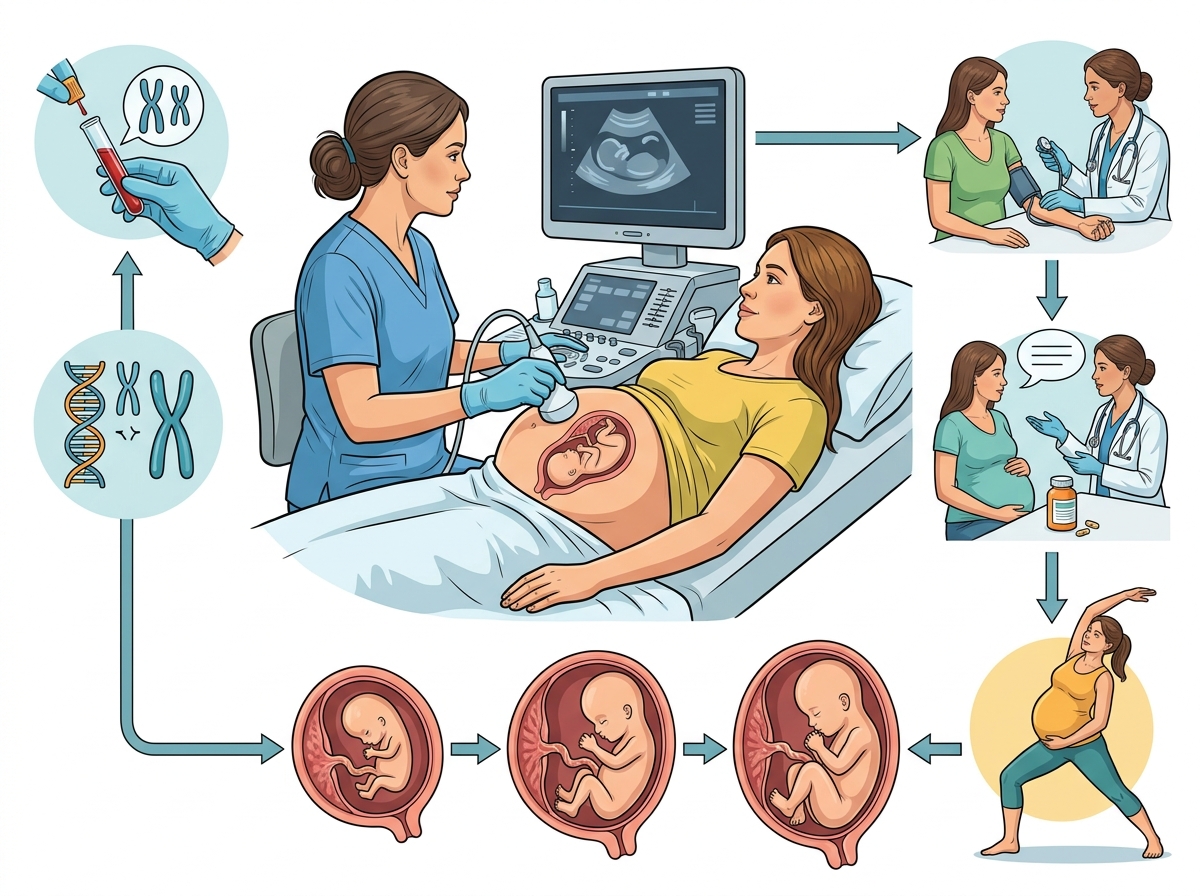
An obstetrician is a medical doctor who specializes in pregnancy, childbirth, and the postpartum period. Let us explore what these doctors do, when you should see one, and how to choose the best specialist for your needs.
Key Takeaways
- An obstetrician manages your health before pregnancy, during prenatal development, through labor, and after birth.
- Regular prenatal visits help monitor baby growth and catch any potential health issues early.
- Choosing a trusted doctor helps reduce stress and ensures you feel confident during labor and delivery.
- Emergency red flags like severe pain or heavy bleeding require immediate medical attention.
Who Is an Obstetrician?
Simply put, an obstetrician is a doctor who cares for you before you get pregnant, during your pregnancy, when you give birth, and after your baby arrives. They cover several key stages of your reproductive health journey.
First, they help you plan for a baby during the preconception stage. Second, they monitor your health throughout the entire pregnancy period. Third, they safely manage your labor and delivery in the hospital. Finally, they provide essential care during the postpartum recovery phase.
Many obstetricians also work as gynecologists, commonly known as Ob/Gyns. Gynecologists specialize in female reproductive system health issues when you are not pregnant. An obstetrician-gynecologist covers both areas of women's health completely.
Choosing a pregnancy doctor is a major life decision for your family. An obstetrician offers one of the best options for complete medical support. They diagnose conditions early, treat health concerns, and keep you and your baby safe and healthy.
What Exactly Do Obstetricians Do?
An obstetrician provides routine prenatal care during your pregnancy. They also detect and treat any complications that might arise while expecting. Also, they deliver your baby and care for you during recovery.
Here are the primary responsibilities of your pregnancy doctor:
- Performing routine prenatal screenings, physical exams, and lab tests like blood work and urinalysis.
- Providing clear information and lifestyle advice to keep your pregnancy safe and healthy.
- Monitoring your fetus size, growth, and physical position inside your womb.
- Checking early for potential congenital differences or pregnancy complications.
- Using modern medical technology like ultrasound scans to track fetal development.
- Managing existing health conditions like diabetes or high blood pressure during pregnancy.
- Safely managing your labor and delivery, including scheduled or emergency inductions.
- Providing postpartum care for about six weeks after your baby is born.
When Should You See an Obstetrician?
You should schedule an appointment with an obstetrician as soon as you find out you are pregnant. Regular prenatal appointments throughout your pregnancy keep your baby safe. You should also visit your doctor if you experience any unusual symptoms or unexpected complications.
Your first official visit usually happens around week seven or eight of your last menstrual period. After that, appointments are generally scheduled every month during the first two trimesters. They become more frequent as your due date approaches, shifting to every two weeks and then weekly.
If you have a high-risk pregnancy due to conditions like gestational diabetes or high blood pressure, you will need more frequent visits. When it is time to deliver, your obstetrician manages the birth, whether you have a vaginal delivery or a C-section.
After delivery, your doctor checks your bleeding, bowel function, and bladder function closely. They screen for blood clots and other postpartum conditions before you leave the hospital. Most women return for a postpartum checkup around six weeks after giving birth.
What Are the Subspecialties of Obstetricians?
Some obstetricians pursue advanced training in specific branches of obstetrics. This specialized education allows them to handle complex medical situations with expert skill.
Reproductive endocrinology and infertility specialists focus on fertility treatments and hormonal issues. Maternal-fetal medicine specialists, also known as perinatologists, manage high-risk pregnancies and complex conditions affecting mother or baby.
Do You Need a Referral to See an Obstetrician?
In many regions, you can contact an obstetrician directly without a formal referral. However, some healthcare plans or insurance providers require a referral from your general practitioner.
It is always wise to check with your insurance provider before booking your first appointment. This simple step helps you avoid unexpected medical bills and ensures proper coverage.
What Medical Conditions Do Obstetricians Treat?
Obstetricians monitor your general wellness while managing specific medical conditions during pregnancy. Common health issues they treat include:
- Congenital genetic disorders and inherited health risks.
- Ectopic pregnancies and pregnancy loss or miscarriages.
- Gestational diabetes developing during pregnancy.
- High blood pressure and dangerous preeclampsia conditions.
- Various bacterial and viral infections.
- Placental problems such as placental abruption.
- Severe morning sickness during early pregnancy months.
- General physical discomforts linked to carrying a baby.
Doctors with high-risk pregnancy training handle complex cases requiring extra medical attention. If your condition exceeds standard care limits, your doctor may refer you to a maternal-fetal medicine specialist.
What Medical Procedures Do Obstetricians Perform?
Obstetricians perform various medical procedures during pregnancy, labor, and recovery. Common procedures include:
- Amniocentesis to check amniotic fluid for genetic conditions.
- Cervical cerclage stitches to prevent premature birth in weak cervix cases.
- Cervical checks to measure dilation and effacement near delivery.
- Vaginal deliveries and surgical Cesarean C-section operations.
- Dilation and curettage procedures to clean the uterus after miscarriages.
- Episiotomy cuts to widen the vaginal opening during difficult births.
- External cephalic version maneuvers to turn breech babies in the womb.
- Membrane sweeps to help stimulate natural labor onset.
- Using forceps or vacuum extractors to assist difficult deliveries.
How to Choose the Right Obstetrician
Finding a trusted obstetrician you feel comfortable talking to makes your pregnancy journey much smoother. Try to start searching for your doctor before you even conceive.
Ask friends, family members, and your primary doctor for trusted recommendations. Read online reviews and compare clinic locations and hospital affiliations.
| Questions to Ask | What to Look For |
|---|---|
| Communication style | Clear explanations and a patient, welcoming attitude. |
| Birth plan support | Willingness to respect your preferences during labor. |
| Emergency coverage | Accessible on-call doctors when your primary doctor is away. |
Many obstetricians work in group practices where you rotate meeting different doctors. This ensures a familiar doctor is on call when you arrive at the hospital to give birth.
Remember that every obstetrician is fully trained and experienced in supporting safe pregnancies and healthy deliveries.
Having a supportive doctor by your side reduces anxiety and builds confidence. Never hesitate to ask questions whenever something feels unclear during your appointments.
When to Seek Emergency Medical Care
Contact your doctor or call 911 (US/Canada) or 999 (UK) right away if you experience any of these critical warning signs:
- Heavy vaginal bleeding or large blood clots.
- Severe abdominal pain or persistent cramping.
- Sudden severe swelling in your face, hands, or fingers.
- Extreme headaches or sudden vision changes.
- A noticeable decrease in your baby's movement after 28 weeks.
Final Thoughts on Your Pregnancy Journey
Your pregnancy is a unique, beautiful chapter in your life. Choosing an obstetrician who listens and supports you makes all the difference in your healthcare experience.
Always speak openly with your doctor about your fears, questions, and expectations. Together, you share the common goal of a healthy pregnancy, a safe delivery, and a thriving baby.
A Note from Dr. Priya Sammani
Your obstetrician is your primary partner for maternal health, fetal development, labor, and postpartum recovery.
- Schedule your first prenatal appointment and complete recommended ultrasound scans and blood tests early.
- Take daily prenatal vitamins including folic acid, iron, and calcium to support your baby's brain and bone development.
- Contact your doctor right away if you experience heavy bleeding, severe abdominal pain, dizziness, or reduced fetal movement.


💬 Comments (0)
No comments yet. Be the first to share your thoughts here.
Add Your Comment