

It is normal to feel a great deal of fear and shock when we learn that we have cancer. At such times, it is difficult for us to understand some of the medical terms and surgical names that doctors use. 'Omentectomy' may be one such name. But don't worry, this is not as complicated as you think. Let's talk about this very simply and in a friendly way today.
Okay, first let's see what this 'omentum' is.
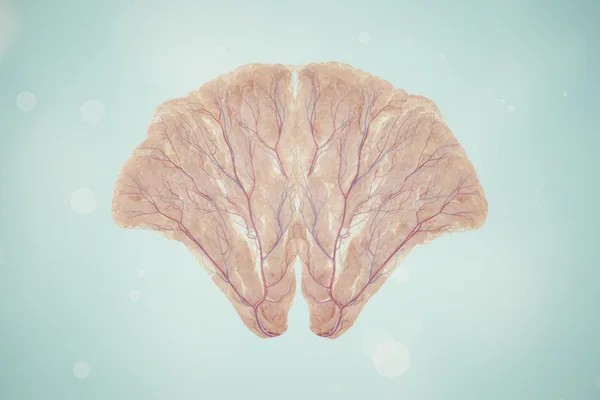
Simply put, the omentum is a thin layer of fatty tissue that covers some of the organs inside our abdomen. To be precise, it's like an 'apron' that hangs over our stomach and intestines. It's mainly made up of fatty tissue and blood vessels.
This omentum performs several important functions in our body:
- Protection: Provides physical protection for the organs inside the abdomen.
- Blood supply: Helps supply the necessary blood to the surrounding organs.
- Immunity: It also acts as part of the body's immune system. If there is an infection or injury, it goes to the site and helps control it.
Then why is this omentum removed surgically?
The main reason for resorting to surgery to remove the omentum, i.e. an omentectomy, is cancer .
Most of the time, cancer starts in the omentum itself, which is very rare. However, cancer that starts elsewhere in the abdomen, such as the ovaries, uterus, or stomach, can easily spread to the omentum. This is because the omentum has a rich blood supply, and it is a good place for cancer cells to attach and grow.
Below are some of the main types of cancer for which an omentectomy is recommended.
| Cancer type | Description |
|---|---|
| Ovarian cancer | This is the main reason why cancer spreads to the omentum. |
| Uterine cancer | Cancer cells that spread from the uterus can lodge here. |
| Stomach cancer | Because it is located very close to the stomach, there is a high chance of spreading. |
| Colorectal cancer | This type of cancer can also spread to the omentum. |
| Other cancers | Cancers of the prostate, fallopian tubes, and appendix can also cause this. |
Simply put, if your doctor finds cancer in the omentum, he or she will recommend removing it. Sometimes, if there is a high chance that a nearby cancer will spread to the omentum, this surgery is also done to prevent the cancer from spreading .
At other times, doctors remove and examine a portion of the omentum to determine the exact stage of the cancer. This can be very helpful in determining how far the cancer has spread and what kind of treatment is needed going forward.
What happens before and during the surgery?
Most of the time, this omentectomy is not done on its own. It is done as part of a larger surgery to remove the main organ that contains the cancer.
Preparing for surgery
Before the surgery, your medical team will talk to you about it thoroughly. They will inform you about the pros, cons, and risks of the surgery. They will also perform several tests to see if your body can withstand this type of surgery.
- Blood tests
- An ECG test to check the heart's function
- Tests to see if you are suitable for general anesthesia
How to perform the surgery
This surgery can be done in two main ways. It depends on your condition, the nature of the cancer, and the surgeon's decision.
1. Minimally invasive surgery: This is also called laparoscopic surgery or robotic surgery . This involves making 3-4 small incisions in the abdomen, through which a camera and delicate instruments are inserted. The advantages of this method are that there is less scarring, less pain, and faster recovery.
2. Open surgery: This involves making a single long incision through the abdomen, opening the abdominal cavity, and performing the surgery. This method is used if the cancer has spread widely and if several other organs need to be removed along with it.
Other surgeries performed at the same time as this surgery
As mentioned earlier, an omentectomy can be a small part of a larger surgery. Therefore, one or more of the following surgeries may be performed at the same time:
- Hysterectomy: Removal of the uterus.
- Oophorectomy: Removal of one or both ovaries.
- Salpingectomy: Removal of one or both fallopian tubes.
- Gastrectomy: Removal of part or all of the stomach.
- Colectomy: Removal of part or all of the large intestine.
- Cytoreductive or debulking surgery: Removing as much of the cancer that has spread throughout the abdominal cavity as possible.
Sometimes, if the cancer is in its early stages, the surgeon will wash the abdominal cavity with a saline solution (peritoneal wash) and send the wash fluid to the laboratory. This can help determine exactly whether the cancer cells have spread.
What happens after the surgery?
You will need to stay in the hospital for a few days after the surgery. If you had laparoscopic surgery, your hospital stay may be shorter. However, if you had major surgery that removed several organs, your recovery time will be longer.
After surgery, your doctor will discuss the results of the surgery and lab reports with you. You will also discuss what to do next. Often, after cancer surgery, other treatments are given to kill any remaining cancer cells in the body. For example , chemotherapy or radiation therapy .
Are there any side effects or risks?
As with any surgery, there is a small risk.
- Bleeding
- Infection
- Damage to surrounding organs
In addition, a specific complication that can occur after an omentectomy is small bowel obstruction . This is because scar tissue (called adhesions ) that forms inside the abdomen after surgery can cause the intestines to become stuck together and obstruct the bowel.
Some frequently asked questions
Will the omentum grow back after removal?
No. The omentum is part of the peritoneum, the membrane that lines our abdominal cavity. Because this peritoneum has the ability to heal quickly, some people think that the omentum will regrow. However, a removed omentum will not regrow.
How long will it take to heal?
This depends entirely on the nature of the surgery you had. While a minor surgery like a laparoscopic surgery may take a few weeks to heal, a major open surgery where multiple organs are removed can take up to 8 weeks to fully heal.
Surgery for cancer is done in the hope that it can be cured. Your doctor has recommended an omentectomy in the hope that it can control or cure your cancer.
Take-Home Message
- Omentectomy is a surgery to remove the omentum, a fatty membrane in the abdomen.
- The main reason for this is the spread or risk of spread of cancer from organs such as the ovaries and stomach to the omentum.
- This surgery helps to remove the cancer, prevent it from spreading, and determine the stage of the cancer.
- The recovery time depends on the type of surgery (mini-incision or open) and its extent.
- This is a very important and exciting step in the cancer treatment process. Feel free to talk to your doctor about any questions or concerns you may have.




💬 Comments (0)
No comments yet. Be the first to share your thoughts here.
Add Your Comment