

Getting ready for surgery can feel overwhelming, or maybe you are already recovering at home right now. Either way, feeling some pain after an operation is completely normal as your body heals. Managing that pain safely is one of the most important parts of your recovery process. Let us talk about what you can expect and how you can stay as comfortable as possible.
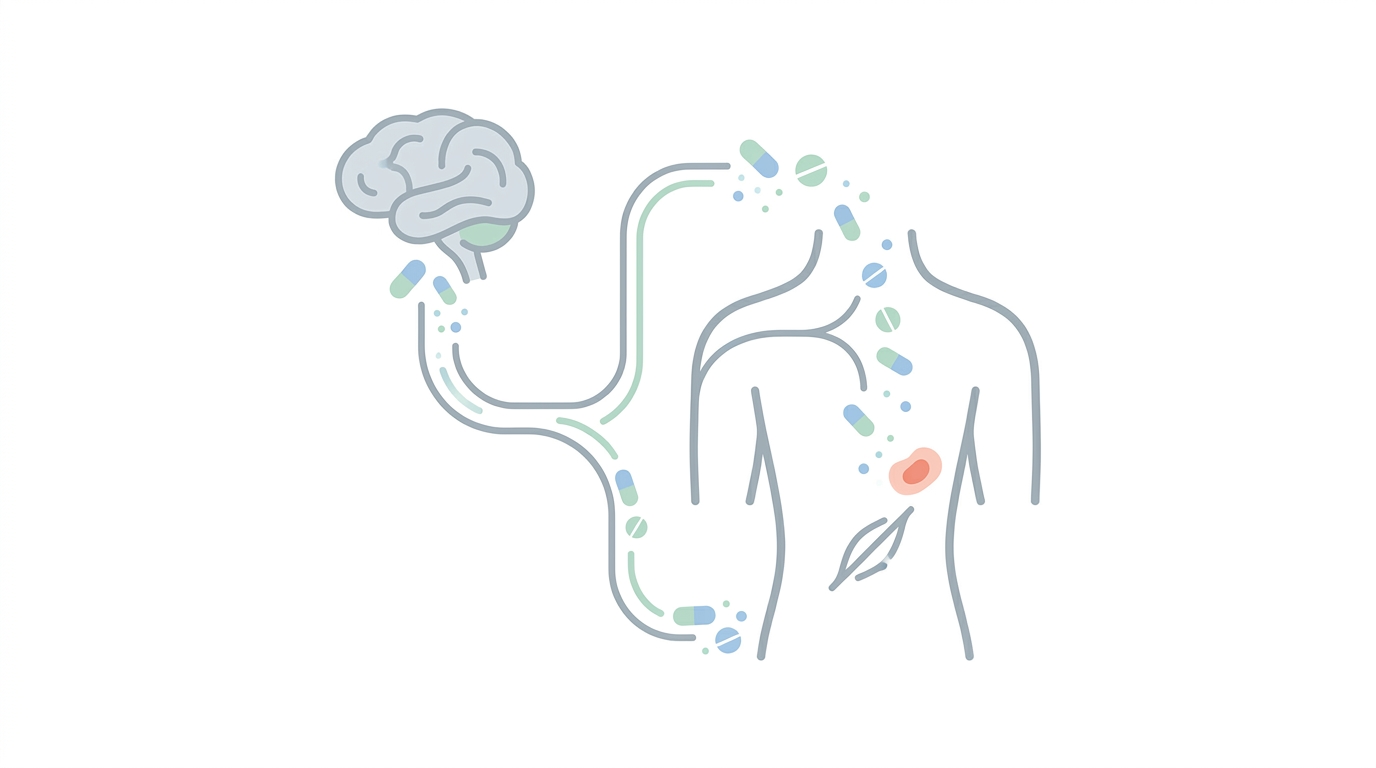
Your surgical team wants to help you feel better every step of the way. Knowing what choices you have gives you peace of mind and helps you take control of your healing. Let us walk through everything you need to know about pain control after surgery.
Key Takeaways.
- Planning your pain control with your doctor before surgery helps you recover smoothly.
- Different types of pain medicines work in different ways to keep you comfortable.
- Always follow your doctor's exact instructions when taking prescription pain medicine.
- Simple home habits like proper rest and relaxation can greatly reduce your discomfort.
- Call your doctor right away if you notice signs of infection or severe side effects.
Planning Your Pain Control Before Surgery.
If you know you have an operation coming up, talking to your surgeon about pain control beforehand is a great idea. This is your chance to ask questions and understand what to expect. You can talk about your pain control plan during your pre-operative appointment.
Your doctor will want to know about your health history to keep you safe. Be ready to share important details about your past medical experiences. Here are some key topics to discuss with your doctor:
- How much pain you should expect after your specific type of surgery.
- Your personal pain tolerance based on any past operations you have had.
- Any allergies or bad reactions you have had to medicines in the past.
- All the prescription drugs, vitamins, or herbal supplements you take daily.
- Any history of substance use or addiction that your care team should know.
- Potential side effects or complications linked to your pain medicines.
Your surgical team will suggest a combination of pain control methods to keep you safe and comfortable. For most people, this plan includes at least one type of medicine.
Types of Pain After Surgery.
How your body responds to surgery depends on many different factors. The type of operation you have, your age, and your natural pain tolerance all play a role. While you naturally expect pain right around your incision, you might also feel other types of discomfort.
Here are some common types of discomfort you might notice after an operation:
- Muscle pain throughout your body from the physical stress of surgery or staying still.
- Throat pain or scratchiness if you had a breathing tube during your procedure.
- Movement pain when you try to sit up, walk, or cough during recovery.
Pain can feel different for everyone depending on the situation. Your discomfort might feel sharp like a cut, stabbing, throbbing like a pulse, aching like a deep body soreness, or burning. Telling your care team exactly where it hurts and what it feels like helps them treat you better.
Finding the Right Pain Medicine for You.
There is no single best pain medicine that works for every single person. Your body, your health status, and your recovery process are completely unique to you. What works wonderfully for another person might not be the right choice for your body.
Your surgeon has several types of pain medicines available to help you heal. If you are staying in the hospital, nurses might give you medicine through an intravenous line in your vein. Once you go home, you will mostly take prescription pills by mouth.
Main Types of Pain medicines.
Here are the most common categories of pain medicines used during recovery:
NSAIDs.
NSAIDs stand for non-steroidal anti-inflammatory drugs. These medicines help reduce pain while also bringing down swelling and inflammation in your tissues. Your doctor might suggest an over-the-counter option or a stronger prescription-strength version.
Common NSAIDs include aspirin, ibuprofen, naproxen sodium, indomethacin, and ketorolac. These drugs help many patients recover smoothly after an operation. Always use them exactly as directed by your medical team.
Important: These medicines can sometimes upset your stomach or cause bleeding issues. Always follow your doctor's specific guidance on how to take them safely.
Opioids.
Opioids are powerful prescription pain medicines that block pain signals in your brain and nervous system. They provide strong relief when you are dealing with severe surgical pain. Because they carry a risk of dependence and side effects, doctors prescribe them carefully.
Common examples include hydrocodone, oxycodone, codeine, fentanyl, and methadone. You must take opioid medicines strictly as prescribed by your doctor. Never change your dose on your own or share your pills with anyone else.
Topical Anesthetics.
Topical anesthetics are medicines that numb a specific spot or area on your body. Doctors sometimes call these local anesthetics. Your surgeon might use them to keep the skin around your incision numb.
These medicines come in patches, creams, or ointments that go directly on your skin. Common examples include lidocaine, benzocaine, dibucaine, phenol, and pramoxine.
Other Pain medicines and Methods.
Your doctor might recommend other helpful medicines alongside the ones listed above. For example, you might take acetaminophen or a muscle relaxer if your muscles feel tight.
If you stay in the hospital after a major surgery, your team might use advanced pain control methods. These can include nerve blocks, specialized post-surgery anesthesia, patient-controlled analgesia pumps, or epidurals.
Benefits of Using Pain medicines.
Controlling your pain after surgery does more than just make you feel comfortable. Staying comfortable helps your body heal much faster. When you manage your pain well, your recovery process moves along smoothly.
Good pain control also lowers your risk of serious post-surgery complications. When your pain is under control, you can walk, move around, and take deep breaths easily. This active recovery helps prevent pneumonia and dangerous blood clots.
Side Effects and Risks of Pain medicines.
Every medicine carries a chance of side effects. Knowing what to watch for helps you stay safe during your recovery at home. Common side effects of pain medicines include:
- Nausea and vomiting .
- Feeling sleepy or drowsy .
- Dizziness or lightheadedness .
- Itching .
- Internal bleeding or stomach irritation .
- Liver damage if you take too much acetaminophen .
Opioid medicines carry a risk of dependence and accidental overdose if misused. Be sure to share your complete medical history with your doctor. If you or anyone in your family has a history of substance use, tell your care team right away.
How Fast Will Pain medicines Work?
Different pain medicines take effect at different speeds. Most oral pain pills start working within one to two hours. Always ask your medical team what to expect from your specific prescription.
How Often Can You Take Pain medicines?
Your surgeon will give you clear instructions on your medicine schedule. They will explain how much medicine to take and how many hours to wait between doses. Follow these rules closely.
You might not feel enough pain to need a scheduled dose. If you feel comfortable, ask your doctor if it is safe to skip a dose. However, some doctors prefer that you stay on a strict schedule to prevent pain from flaring up.
Can You Ask for More Pain Medicine?
If your current medicine does not control your pain, talk to your surgeon right away. They can evaluate your condition and adjust your plan if needed. Never take extra pills on your own or use leftover prescription drugs from past surgeries.
Never feel shy about telling your care team that you are in pain. Your doctors and nurses are there to help you heal safely. Always stick strictly to the doses your medical team prescribes.
Managing Pain at Home.
Once you leave the hospital or surgery center, most of your pain management happens at home. Along with taking your medicine, you can use these helpful strategies:
- Get plenty of rest so your body can heal naturally.
- Set up comfortable pillows and cushions around your home before you return.
- Take your pain medicine before doing physical therapy or gentle movement.
- Try non-drug comfort methods like slow breathing exercises, meditation, or soft music.
- Ask your doctor if safe heat therapy or ice packs can help soothe your muscles.
| What to Do. | What to Avoid. |
|---|---|
| Take your pain medicine on schedule as prescribed. | Never change your dose without asking your doctor. |
| Rest and move gently as advised by your care team. | Do not ignore signs of infection around your incision. |
| Call your doctor if your pain gets worse suddenly. | Do not share your prescription pills with family or friends. |
When to Call Your Doctor.
Your surgical team will schedule follow-up visits to check your healing progress. However, you should reach out to them between visits if anything feels wrong. Watch closely for warning signs.
Emergency Red Flags.
Call 911 (US/Canada) or 999 (UK) or go to the nearest Emergency Department right away if you experience chest pain, sudden shortness of breath, severe bleeding, or confusion. Contact your surgeon right away if you notice spreading redness, pus, or a high fever.
Take-Home Message.
Healing takes time, and some discomfort after surgery is expected. You do not have to suffer through severe pain while trying to recover. Work closely with your medical team to follow your pain management plan safely.
Ask questions whenever you are unsure about your medicines. Having a family member help take notes during your visits can make things easier. Remember that your comfort and safe recovery are what matter most!
A Note from Nirogi Lanka.
Protecting your health and ensuring a smooth recovery after surgery takes careful attention and proper guidance. Managing post-surgery pain effectively helps your body heal and reduces the risk of complications. Always consult an experienced doctor or doctor before making any medical decisions.


💬 Comments (0)
No comments yet. Be the first to share your thoughts here.
Add Your Comment