

Hello there! Is your child turning ten years old soon? This age is truly a very special time in their life.
Your child is no longer a little toddler. They are slowly growing into a big kid and a young pre-teen. Because of this, the doctor visit and the topics you discuss will change a bit.
Let us look at what happens during this 10-year-old well-child visit. We will also cover what you need to know as a parent to support their health and growth.
Key Takeaways.
- Growth and Development: Doctors check height, weight, BMI, and early signs of puberty.
- Healthy Habits: Kids need balanced meals, proper water intake, and nine to twelve hours of sleep.
- Screen Time and Activity: Aim for sixty minutes of daily play and limit digital screen time.
- Safety First: Keep up with booster seats in cars, helmet use, and safe internet habits.
- Open Communication: Talk openly with your pre-teen about emotional changes and body safety.
What Usually Happens During This Medical Checkup?
When you take your child to see the doctor, the doctor and the nurse will do a few checks. Do not worry at all. All of these steps help make sure your child is healthy and growing well.
First Steps and Routine Measurements.
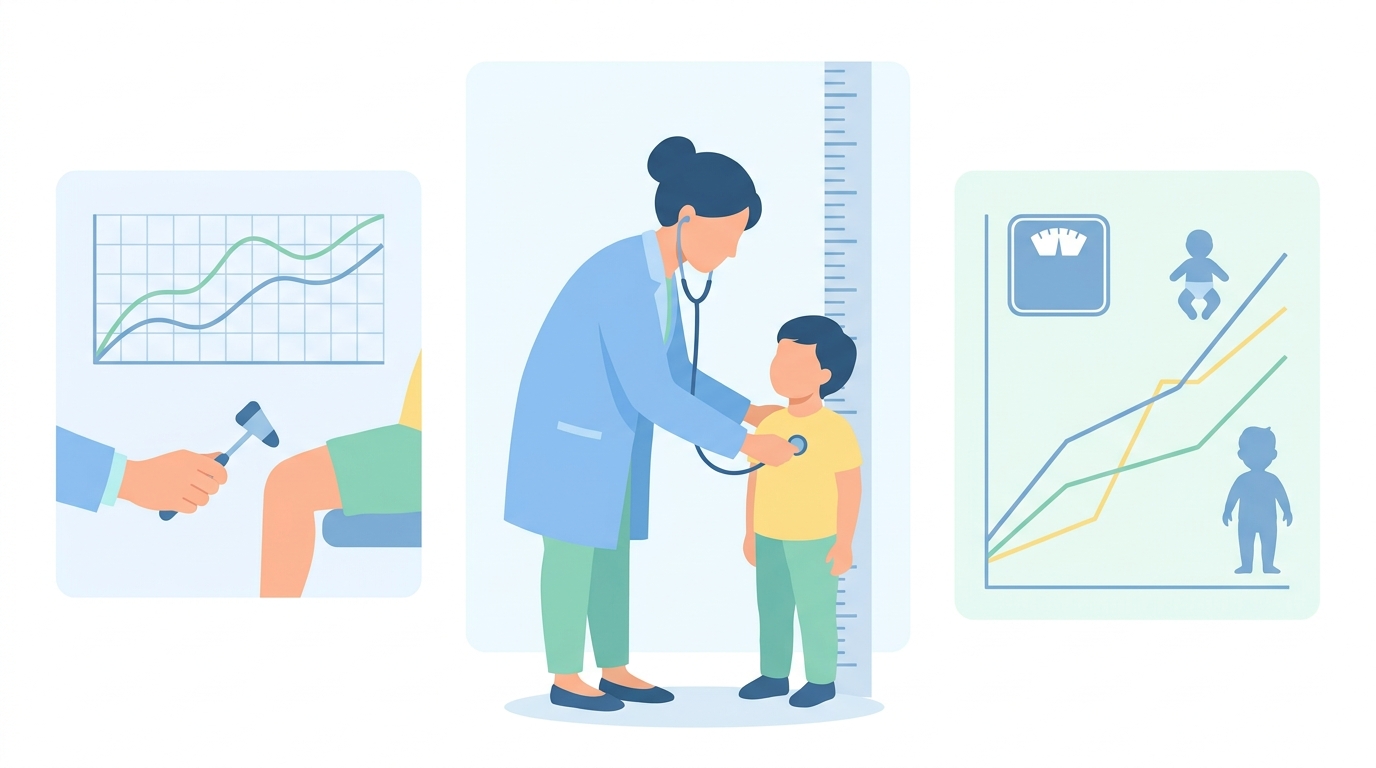
First, the nurse will measure your child's weight and height. Next, they use these numbers to find the body mass index, or BMI. Simply put, this check shows if your child has a healthy weight for their height.
The team plots these measurements on a growth chart. This chart helps you clearly see how your child grows compared to other kids their age.
After that, the doctor checks your child's blood pressure, vision, and hearing. These tests use standard tools, so there is nothing to fear.
Questions the Doctor Asks and Advice They Give.
Next comes the most important part. The doctor asks you and your child questions, talks about any concerns you have, and shares advice tailored to this age.
What About Food and Nutrition?
Nutrition is a very important topic at age ten.
- The doctor will ask how many times a day your child eats and what foods they choose. Usually, this age group needs three main meals and one or two healthy snacks.
- You should offer a balanced diet every single day. This means healthy proteins like fish, lean meats, eggs, and lentils, plus whole grains like brown rice and whole wheat bread.
- Fresh fruits, vegetables, and low-fat dairy foods like yogurt or curd must be on your child's plate.
- Try to give about three large cups of low-fat milk daily. You can also use fortified plant milks if preferred.
- Aim for at least five servings of fruits and vegetables every day. Choose items with bright, natural colors.
- Cut down on foods high in added sugar, salt, and unhealthy fats. Keep sugary drinks, packaged snacks, and candy away as much as possible.
- If you offer fruit juice, choose pure fruit juice and limit it to one small glass per day. Whole fruits are always the best choice.
- Teach your child to eat when hungry and stop when full. This simple habit helps prevent unhealthy weight gain.
How Is Sleep?
A child this age needs between nine and twelve hours of sleep every night.
- Not getting enough sleep makes it hard to focus at school and hurts memory skills.
- Set a regular bedtime so your child gets enough rest each night. Keep the same schedule even on weekends.
- Create calm habits before bed, like reading a book or listening to quiet music.
- Keep phones, tablets, computers, and televisions out of the bedroom. These screens interfere with good sleep.
How Are Physical Activities?
A ten-year-old child needs at least sixty minutes of physical activity every day.
- This active time includes running, playing outside, and sports.
- At the same time, limit screen time from televisions, video games, and smartphones. Too much screen time harms eye health, fitness, and mental well-being.
Growth and Development Milestones.
Age ten brings big physical and emotional changes. Children at this stage often show these traits:
- They try to become more independent from family and enjoy spending time with friends.
- They often prefer friends of the same gender.
- They show interest in learning more about topics they enjoy and reading books independently.
- At school, they handle more challenging tasks, like research projects.
- They start helping with small household chores and take responsibility for schoolwork.
- Most importantly, they may begin showing early signs of puberty. This is completely natural.
- Skin can get oily, acne may appear, and body sweat odor can increase.
- Girls may notice breast growth and body hair growth in the underarm and private areas.
- Boys may notice body hair growth and the enlargement of testicles and the penis. Talk about these changes openly with your child.
The Physical Examination.
The doctor will perform a gentle physical exam.
- They listen to the heart and lungs with a stethoscope.
- They check the spine to ensure there is no abnormal curve, known as scoliosis.
- They check for early physical signs of puberty.
Important: A parent, legal guardian, or another trusted adult must stay in the room during this exam. If you have younger children, leave them in the waiting room so your ten-year-old gets full privacy.
Updating Vaccines.
Vaccines are vital to protect children from serious illnesses. Make sure your child gets all scheduled shots on time. Vaccine schedules can vary slightly by region, so talk with your doctor to review your local guidelines.
Recommended Lab Tests.
Doctors only order lab tests if they suspect specific health conditions. Examples include:
- Anemia, which is low iron in the blood.
- High blood cholesterol levels.
- Tuberculosis screening if risk factors exist.
Looking Ahead: What to Watch Until Age 11.
After your doctor visit, keep these important points in mind until your child turns eleven.
School and Daily Activities.
- Encourage your child to join fun activities like music, art, sports, or clubs. However, do not overload their schedule. They need free time to rest and relax.
- Praise their hard work and offer support with difficult school subjects.
- Set up a quiet study space at home. Reduce distractions from phones and televisions.
- As schoolwork gets harder, some kids face challenges. Work with teachers if problems arise. These issues might involve learning struggles, bullying, or stress.
- Talk openly about the dangers of smoking, vaping, alcohol, and drugs. Explain the harmful effects in simple terms.
- Teach your child how to use technology safely. A good rule is: Never text, post, or share any photo online that you would not want your grandparents to see.
Personal Life and Emotions.
- Spend a little time every day with your child. Eat meals together and talk about things that matter to them.
- Set clear house rules and explain what behavior you expect. Use fair consequences for broken rules and praise good choices.
- Be ready to answer questions about puberty and related feelings. Encourage your child to share worries with you.
- For girls, the first menstrual period usually happens about two years after breast growth starts.
- For boys, wet dreams can occur, and voices may deepen and crack. Explain that these changes are normal.
- Encourage daily bathing and hygiene habits. If body odor is an issue, help them choose a gentle deodorant.
- Remind your child that no adult should ever ask them to keep a secret about their body. No one should ever look at, touch, or ask to see their private parts.
- Make sure your child brushes their teeth twice a day, uses dental floss daily, and visits the dentist every six months.
Safety Considerations.
Child safety remains very important at this age.
- Your child must ride in the back seat of the car. They should use a booster seat until they reach four feet nine inches tall, which is about one hundred fifty centimeters. Most kids reach this height between ages eight and twelve.
- Always wear a helmet when riding a bicycle, skateboard, or scooter. Use safety gear like mouth guards for sports.
- Teach your child how to swim, and only allow swimming when an adult watches them.
- Apply broad-spectrum sunscreen with SPF 30 or higher fifteen minutes before going outside. Reapply every two hours.
- Protect your child from secondhand smoke by keeping them away from tobacco smoke.
- Supervise internet use. Keep computers in shared family spaces. Use safety filters and check browser history. Teach your child never to share personal details online.
- Keep guns out of the home. If firearms are present, keep them unloaded and locked away safely in a secure container. Keep ammunition locked in a separate location.
- If you face challenges meeting basic needs like food, housing, or healthcare, talk to your doctor. They can connect you with community resources or social workers.
The Take-Home Message.
Age ten is a time of major changes and new challenges. This well-child visit helps ensure your child grows up healthy, happy, and safe.
The most important thing is to talk openly with your child, listen to their thoughts, and offer love and support. Let them know you are always on their team no matter what. With your support, you can enjoy these growing years together!
When to Call the Doctor or Seek Emergency Care.
Contact your doctor or seek emergency medical help right away if your child experiences any of these red flag symptoms:
- Sudden, severe chest pain or trouble breathing during sports or rest.
- Fainting spells or sudden dizziness during physical activity.
- Signs of severe emotional distress, self-harm threats, or extreme sadness.
- High fever accompanied by a stiff neck, severe headache, or confusion.
- Severe abdominal pain or sudden changes in vision.
- Call 911 (US/Canada) or 999 (UK) right away for life-threatening emergencies, or go to the nearest Emergency Department (ER / A&E).
Health Comparison: Healthy Habits vs. Unhealthy Habits.
| Healthy Habits. | Unhealthy Habits. |
|---|---|
| Eating balanced meals with fruits, vegetables, and lean proteins. | eating fast food and sugary snacks every day. |
| Getting 9 to 12 hours of restful sleep every night. | Staying up late watching screens in the dark. |
| Playing outdoors for at least 60 minutes daily. | Spending hours playing video games without breaks. |
A Note from Dr. Priya Sammani.
Regular checkups at key milestones like age ten are vital for monitoring your child's physical, emotional, and social development. These visits allow doctors to catch health concerns early, ensure proper vaccinations, and provide guidance on nutrition and puberty. Staying proactive with routine pediatric care sets the foundation for a healthy future.


💬 Comments (0)
No comments yet. Be the first to share your thoughts here.
Add Your Comment