Onions are not just any vegetable! Health benefits we know and don't know (Onions)

Onions are not just any vegetable! Health benefits we know and don't know (Onions)

Onions are an indispensable part of our kitchen. Imagine making a coconut sambol, a dal chutney, or a fish curry without onions. It's unimaginable, right? Onions can add flavor and aroma to any meal, morning, noon, or night. But did you know that this little onion is not just a flavoring agent, but also a superfood that provides many valuable benefits to our health. Today, let's talk about the surprising health secrets hidden in these onions.

Let's learn a little about the types of onions.

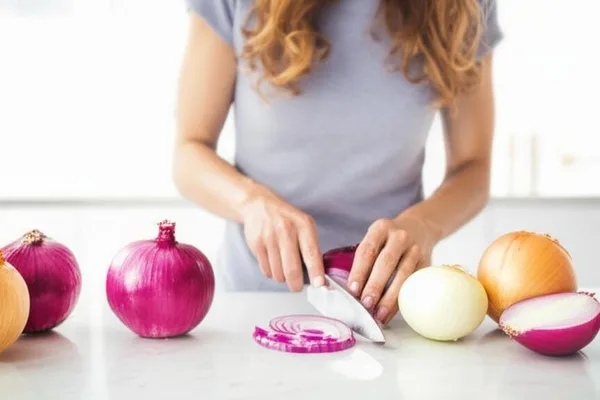
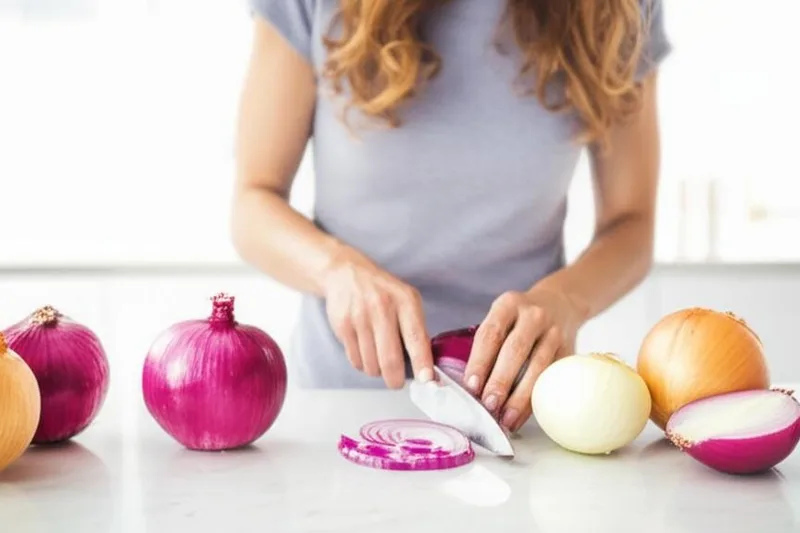
When we go to the store, we see all kinds of onions, right? Red onions, shallots, white onions, leeks, and scallions are all members of the same family. Although all of these types have their own qualities, there are slight differences.

Onion type Speciality and use
Red onion Their deep purple-red color is due to plant compounds called flavonoids . They are particularly high in the antioxidant quercetin . They are slightly less spicy, so they are great raw in salads, sambals, and chili sauces.
Large onion (yellow/brown) This type of onion, which is indispensable in our curries, is a bit spicy. However, when it is sautéed, fried, or caramelized, this spicy taste disappears and a sweet flavor emerges. These are mostly used in gravies and rice dishes.
White onion These are less spicy than large onions and are good for adding to dishes raw, such as salsa.
Scallions/Green Onions These are often sliced ​​thinly and added raw to dishes. They add a beautiful color and a subtle onion flavor to dishes like soups and fried rice.

The great health power of a small onion

Scientists have discovered that onions have a host of health benefits. Many of these benefits are due to the antioxidants they contain. Simply put, antioxidants are like protectors that prevent damage to the cells in our body.

Helps reduce the risk of cancer

Research has shown that the chemicals in onions help fight cancer cells. One study found that people who regularly eat onions have a lower risk of developing colon, throat, and ovarian cancer. Another study also showed that they reduce the risk of prostate cancer in men. In particular, a compound called quercetin, found in onions, is believed to be a major reason for these cancer-fighting properties.

Bactericidal properties

Laboratory studies have confirmed that onions have the ability to kill various types of bacteria. However, more needs to be discovered about how this works inside our bodies.

For digestion and intestinal health

Did you know that our intestines are home to a large number of beneficial, good bacteria? These bacteria are very important for our overall health. Onions contain a substance called fructooligosaccharides . These act as prebiotics . That is, they provide food for the good bacteria in our stomachs. This makes digestion easier and improves intestinal health.

Remember, many medical conditions, from diabetes to depression, can be linked to a decrease in the amount of healthy bacteria in the gut.

Does it strengthen bones?

Yes, onions can help prevent osteoporosis, a condition in which bones become thin and break easily. A study of women who were approaching or past menopause found that those who ate onions daily had higher bone density. That means their bones were stronger.

For heart health and to reduce the risk of stroke

The reason for the pungent smell and taste of onions when you cut them is because of the organic compounds that contain sulfur. These compounds can lower your cholesterol levels and prevent blood clots. This reduces the risk of heart disease and stroke . To get the most out of these sulfur compounds, it is better to eat onions raw than cooked.

Helps control diabetes

Both quercetin and sulfur compounds in onions stimulate insulin production, making onions a great vegetable to add to your diet for people with diabetes.

There are also disadvantages to eating raw onions.

Like everything else, eating onions can have some downsides, especially when eaten raw.

  • Bloating and flatulence: Some compounds in onions can be difficult for some people to digest. People with irritable bowel syndrome (IBS) in particular may experience stomach upset when eating raw onions. If you experience this, limit your intake of raw onions.
  • Bad breath and body odor: When the sulfur compounds in onions break down in the body, they can combine with sweat to create an unpleasant body odor. Bad breath is also common.
  • Food poisoning: In rare cases, there have been reports of bacterial infections such as salmonella being spread through onions. However, this is very rare. To be on the safe side, always keep chopped onions in the refrigerator. If you suspect food poisoning, see your doctor immediately or go to the nearest hospital emergency department (ETU).

How do you stop your eyes from watering when cutting onions?

It's common for us to cry when cutting onions. The reason for this is that the sulfur compounds released when cutting onions accumulate in the air and irritate our eyes. There are a few simple ways to reduce this.

  • Refrigerate the onion for about 30 minutes before cutting it.
  • Use a sharp knife, as chopping onions with a blunt knife releases more chemicals.
  • Cut or leave the root end of the onion intact . This is where the most sulfur compounds are found.
  • Cut onions in a well-ventilated area with the windows open.

Take-Home Message

  • Onions are not only a flavoring agent, but also a very nutritious food full of antioxidants, vitamins, and minerals.
  • There are slight differences in the qualities of different types of onions, such as red onions, large onions, and green onions. Choose the type that suits your dish.
  • Onions offer many health benefits, such as reducing the risk of cancer, protecting heart health, controlling diabetes, and strengthening bones.
  • To maximize some of the health benefits (especially those related to heart health), it's better to eat onions raw rather than cooked.
  • Some people may experience stomach upset when eating raw onions. Listen to your body.
  • Ensure food safety by always storing chopped onions in the refrigerator.

Onion, onion benefits, b-onion, red onion, health, nutrition, onion benefits, quercetin, nutrition, heart health, cancer prevention

⚠️ Important: The medical articles and information on Nirogi Lanka are for general awareness only, and are by no means a substitute for professional medical advice, diagnosis, or treatment. For any medical problem you have, consult a qualified physician immediately.

💬 Comments (0)

No comments yet. Be the first to share your thoughts here.

Add Your Comment

Please calculate: 9 + 3 =
Onions are not just any vegetable! Health benefits we know and don't know (Onions)
Preventive HealthJuly 7, 2026

Onions are not just any vegetable! Health benefits we know and don't know (Onions)

Onions are an indispensable part of our kitchen. Imagine making a coconut sambol, a dal chutney, or a fish curry without onions. It's unimaginable, right? Onions can add flavor and aroma to any meal, morning, noon, or night. But did you know that this little onion is not just a flavoring agent, but also a superfood that provides many valuable benefits to our health. Today, let's talk about the surprising health secrets hidden in these onions.

Let's learn a little about the types of onions.

When we go to the store, we see all kinds of onions, right? Red onions, shallots, white onions, leeks, and scallions are all members of the same family. Although all of these types have their own qualities, there are slight differences.

Onion type Speciality and use
Red onion Their deep purple-red color is due to plant compounds called flavonoids . They are particularly high in the antioxidant quercetin . They are slightly less spicy, so they are great raw in salads, sambals, and chili sauces.
Large onion (yellow/brown) This type of onion, which is indispensable in our curries, is a bit spicy. However, when it is sautéed, fried, or caramelized, this spicy taste disappears and a sweet flavor emerges. These are mostly used in gravies and rice dishes.
White onion These are less spicy than large onions and are good for adding to dishes raw, such as salsa.
Scallions/Green Onions These are often sliced ​​thinly and added raw to dishes. They add a beautiful color and a subtle onion flavor to dishes like soups and fried rice.

The great health power of a small onion

Scientists have discovered that onions have a host of health benefits. Many of these benefits are due to the antioxidants they contain. Simply put, antioxidants are like protectors that prevent damage to the cells in our body.

Helps reduce the risk of cancer

Research has shown that the chemicals in onions help fight cancer cells. One study found that people who regularly eat onions have a lower risk of developing colon, throat, and ovarian cancer. Another study also showed that they reduce the risk of prostate cancer in men. In particular, a compound called quercetin, found in onions, is believed to be a major reason for these cancer-fighting properties.

Bactericidal properties

Laboratory studies have confirmed that onions have the ability to kill various types of bacteria. However, more needs to be discovered about how this works inside our bodies.

For digestion and intestinal health

Did you know that our intestines are home to a large number of beneficial, good bacteria? These bacteria are very important for our overall health. Onions contain a substance called fructooligosaccharides . These act as prebiotics . That is, they provide food for the good bacteria in our stomachs. This makes digestion easier and improves intestinal health.

Remember, many medical conditions, from diabetes to depression, can be linked to a decrease in the amount of healthy bacteria in the gut.

Does it strengthen bones?

Yes, onions can help prevent osteoporosis, a condition in which bones become thin and break easily. A study of women who were approaching or past menopause found that those who ate onions daily had higher bone density. That means their bones were stronger.

For heart health and to reduce the risk of stroke

The reason for the pungent smell and taste of onions when you cut them is because of the organic compounds that contain sulfur. These compounds can lower your cholesterol levels and prevent blood clots. This reduces the risk of heart disease and stroke . To get the most out of these sulfur compounds, it is better to eat onions raw than cooked.

Helps control diabetes

Both quercetin and sulfur compounds in onions stimulate insulin production, making onions a great vegetable to add to your diet for people with diabetes.

There are also disadvantages to eating raw onions.

Like everything else, eating onions can have some downsides, especially when eaten raw.

  • Bloating and flatulence: Some compounds in onions can be difficult for some people to digest. People with irritable bowel syndrome (IBS) in particular may experience stomach upset when eating raw onions. If you experience this, limit your intake of raw onions.
  • Bad breath and body odor: When the sulfur compounds in onions break down in the body, they can combine with sweat to create an unpleasant body odor. Bad breath is also common.
  • Food poisoning: In rare cases, there have been reports of bacterial infections such as salmonella being spread through onions. However, this is very rare. To be on the safe side, always keep chopped onions in the refrigerator. If you suspect food poisoning, see your doctor immediately or go to the nearest hospital emergency department (ETU).

How do you stop your eyes from watering when cutting onions?

It's common for us to cry when cutting onions. The reason for this is that the sulfur compounds released when cutting onions accumulate in the air and irritate our eyes. There are a few simple ways to reduce this.

  • Refrigerate the onion for about 30 minutes before cutting it.
  • Use a sharp knife, as chopping onions with a blunt knife releases more chemicals.
  • Cut or leave the root end of the onion intact . This is where the most sulfur compounds are found.
  • Cut onions in a well-ventilated area with the windows open.

Take-Home Message

  • Onions are not only a flavoring agent, but also a very nutritious food full of antioxidants, vitamins, and minerals.
  • There are slight differences in the qualities of different types of onions, such as red onions, large onions, and green onions. Choose the type that suits your dish.
  • Onions offer many health benefits, such as reducing the risk of cancer, protecting heart health, controlling diabetes, and strengthening bones.
  • To maximize some of the health benefits (especially those related to heart health), it's better to eat onions raw rather than cooked.
  • Some people may experience stomach upset when eating raw onions. Listen to your body.
  • Ensure food safety by always storing chopped onions in the refrigerator.

Onion, onion benefits, b-onion, red onion, health, nutrition, onion benefits, quercetin, nutrition, heart health, cancer prevention

⚠️ Important: The medical articles and information on Nirogi Lanka are for general awareness only, and are by no means a substitute for professional medical advice, diagnosis, or treatment. For any medical problem you have, consult a qualified physician immediately.

💬 Comments (0)

No comments yet. Be the first to share your thoughts here.

Add Your Comment

Please calculate: 9 + 3 =