

If you have a growing teenager in your home who is turning 15, this complete medical guide is especially for you. Raising a teenager brings wonderful moments along with brand-new health questions. When you take your 15-year-old child to the doctor for a routine well-child checkup, knowing what to expect makes all the difference. Let us walk through everything you need to know in simple, friendly terms.
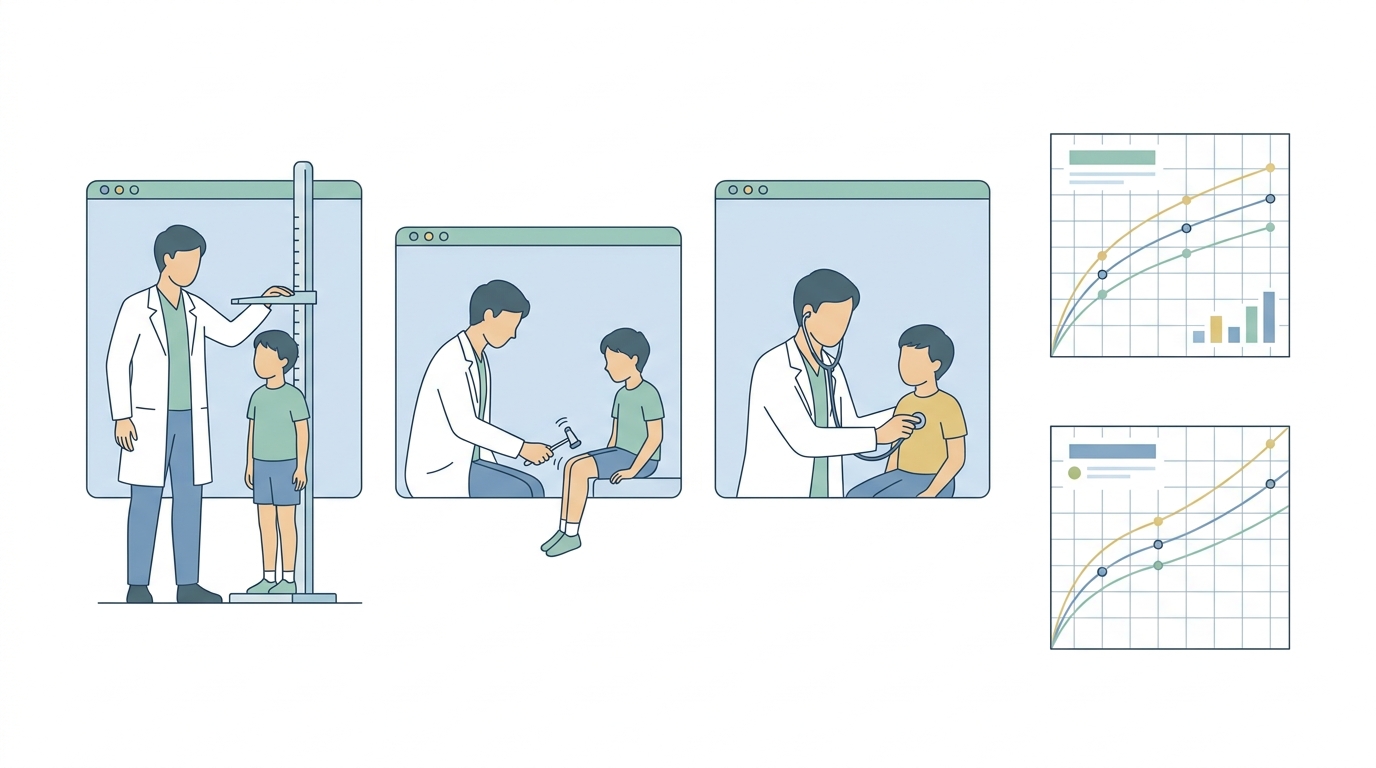
Fifteen is a unique age filled with rapid physical changes, emotional growth, and shifting social bonds. Doctors look closely at both body and mind during this adolescent visit. Let us explore every single section to help you and your teenager feel fully prepared and confident.
- Regular well-child visits track your teenager's physical growth, body mass index, and vital signs.
- Nutrition, sleep, and physical activity form the foundation of healthy teenage development.
- Mental health, safe driving habits, and open family communication are vital discussion points.
- Keeping vaccines and routine health screenings up to date prevents serious illness.
What Happens During a 15-Year-Old Well-Child Visit?
When you take your teenager to see the doctor for a routine checkup, the medical team evaluates several core areas. Let us break down each part of the visit step by step.
Checking Height, Weight, and Growth.
The doctor or nurse starts by measuring your teenager's height and weight. Next, they calculate the Body Mass Index, commonly known as BMI. This calculation helps determine if your child has a healthy body weight for their height.
All these measurements go directly into a growth chart. This chart helps the doctor track your teenager's growth patterns over time. Monitoring these trends ensures your child develops steadily and healthily.
Checking Vital Signs and Screening Tests.
After checking overall growth and body measurements, the medical team performs a few more standard screenings. These quick checks provide vital information about your teen's health.
- The doctor measures your teenager's blood pressure to check cardiovascular health.
- Vision screening checks how clearly your teen can see near and far objects.
- Hearing evaluations ensure your teenager's ears and hearing function normally.
Questions and Advice from the Doctor.
This discussion portion is one of the most valuable parts of the visit. The doctor will ask questions and offer expert guidance tailored specifically to teenagers.
Nutrition and Healthy Eating.
Good nutrition fuels your teenager's rapid growth and busy daily schedule. The doctor will likely review key dietary habits with you.
- Encourage your teenager to eat three balanced meals every day.
- Include lean proteins, whole grains, fresh fruits, and vegetables in daily meals.
- Aim for at least five servings of fruits and vegetables daily.
- Include low-fat dairy or fortified soy milk products three times a day for strong bones.
Healthy Sleep Habits.
Many parents hear their teens say they stay up late on phones and struggle to wake up. Sleep is crucial for growing bodies.
- Fifteen-year-olds need between eight and ten hours of quality sleep every night.
- Natural body clock shifts make teens feel sleepy later at night, which can conflict with early school start times.
- Lack of sleep directly impacts school performance, mood, and daily energy levels.
- Establish a relaxing bedtime routine and encourage turning off all screens at least an hour before sleep.
Physical Activity and Screen Time.
Balancing digital devices with physical movement is essential for modern teenagers.
- Teens need at least 60 minutes of physical activity every day, such as running, sports, or active games.
- Help your teen balance screen time with exercise, socializing, and adequate sleep.
- Set a good example by limiting your own screen use around your teenager.
Growth and Development Milestones.
Age 15 brings major physical and emotional changes. The doctor will discuss what to expect during this developmental stage.
- For teenage girls, most will have already experienced their first menstrual period. If not, discuss this with the doctor.
- For teenage boys, puberty signs continue, including voice deepening, growth spurts, and physical development.
- Peer influence becomes very strong as teens seek to fit in and find their unique identity.
- Teens begin exploring personal values, dating, relationships, and gender identity.
- Thinking skills mature, though teens remain prone to impulsive actions without always considering long-term consequences.
Remember that navigating these teenage changes can feel overwhelming. Your teenager needs your patience, love, guidance, and understanding now more than ever.
The Physical Examination.
The doctor performs a gentle physical exam to check your teenager's overall health.
- The doctor checks the skin for any concerning rashes or acne.
- They listen carefully to the heartbeat and breathing sounds.
- The spine is checked for any unusual curves, such as scoliosis.
- Pubertal development is assessed respectfully and privately.
- Having a trusted parent or medical chaperone present during the exam ensures comfort and safety.
Keeping Vaccines Up to Date.
Vaccines protect teenagers from serious and contagious diseases. The doctor will review immunization records to see if booster shots or new vaccines are needed. Vaccine schedules can vary, so talk with your pediatrician to confirm what your teen needs.
Recommended Medical Tests.
Depending on your teenager's health history and family background, the doctor may suggest specific lab tests.
- Screening for anemia, which is a lack of healthy red blood cells or iron.
- Checking cholesterol levels to assess long-term heart health.
- Screening for tuberculosis if risk factors exist.
- Screening for sexually transmitted infections when clinically indicated.
Looking Ahead: What to Remember Until the Next Checkup.
Once the doctor visit ends, keep several important health and lifestyle tips in mind as your teenager grows toward age 16.
Supporting School and Extracurricular Life.
- Encourage participation in school clubs, sports, arts, and music programs.
- Teach your teen to take personal responsibility for schoolwork while offering help when challenges arise.
- Discuss future college and career goals together.
- Watch for signs of bullying, depression, or learning difficulties, and seek professional help promptly if needed.
Supporting Emotional Health and Well-Being.
- Spend dedicated time talking with your teenager every day over meals or shared activities.
- Praise good decision-making and include your teen in family discussions.
- Set clear family rules and fair consequences for breaking them.
- Talk openly about delaying sexual activity, preventing sexually transmitted diseases, and using birth control or condoms.
- Ensure good dental hygiene with twice-daily brushing, daily flossing, and dental checkups every six months.
- Warn your teen against smoking, vaping, alcohol, and drug use, including prescription medicine misuse.
- Watch for signs of depression, such as lasting sadness, withdrawal, or loss of interest in hobbies.
- Help your teenager learn to manage their own healthcare appointments and prescriptions.
Prioritizing Teen Safety.
- Always insist that everyone wears seatbelts in motor vehicles.
- If your teen is learning to drive, set strict rules regarding passenger limits, nighttime driving, and mobile phone use.
- Emphasize the dangers of drinking and driving, and reassure your teen they can always call you for a safe ride home.
- Remind your teen to apply sunscreen with an SPF of 30 or higher before going outside, and avoid tanning beds.
- Teach safe internet habits to prevent cyberbullying and online risks.
- Store all firearms unloaded and locked securely away from ammunition and children.
- Discuss family resource needs with your doctor if you face financial or housing challenges.
If your teenager expresses thoughts of self-harm, suicide, or severe hopelessness, or experiences sudden physical distress such as chest pain, severe breathing trouble, or serious injury, call 911 (US/Canada), 999 (UK), or go to the nearest Emergency Department right away.
Take-Home Message.
Your 15-year-old child's well-child visit is a vital milestone in adolescent healthcare. Teenagers face immense physical, emotional, and social changes during these years.
Keep communication open, support healthy habits, prioritize safety, and keep up with routine doctor visits to ensure a bright and healthy future.
| Healthy Teen Habits. | Risks to Avoid. |
|---|---|
| Eating balanced meals with lean proteins and whole grains. | Skipping meals or relying on fast food. |
| Getting 8 to 10 hours of quality sleep nightly. | Late-night screen use and sleep deprivation. |
| Engaging in 60 minutes of daily physical activity. | Excessive sedentary screen time. |
| Open communication and trusted adult guidance. | Vaping, smoking, alcohol, and drug experimentation. |
Routine well-child visits are essential for tracking adolescent growth and developmental milestones. Checkups at key ages like 15 ensure your teenager's vision, hearing, emotional well-being, and immunization status are fully supported. Regular medical checkups help identify potential health concerns early, empowering your teen to build lifelong healthy habits.


💬 Comments (0)
No comments yet. Be the first to share your thoughts here.
Add Your Comment