

Turning twenty-one is a huge milestone in your life. You are stepping into a world filled with fresh goals, exciting challenges, and new responsibilities. During this busy time, taking care of your physical health and mental well-being is more important than ever.
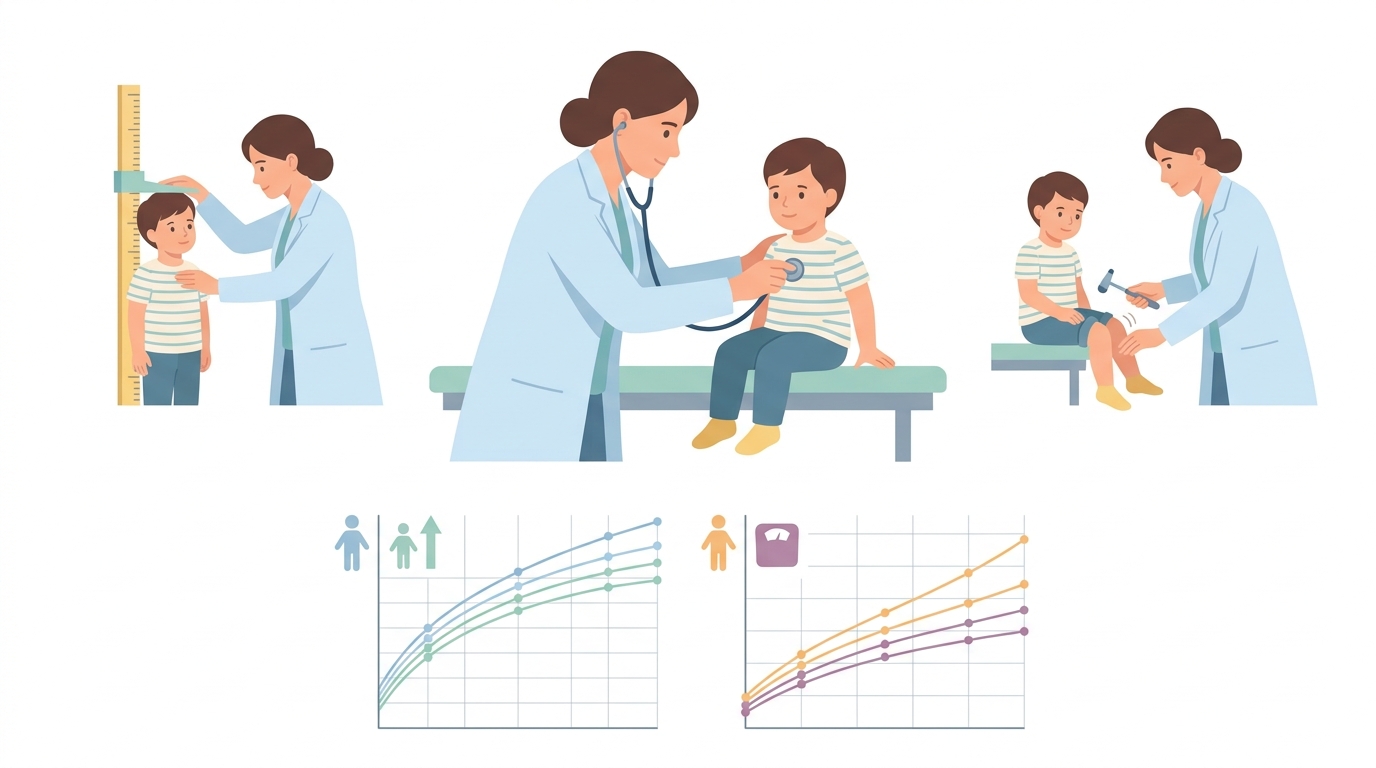
Let us talk about what you can expect when you visit a doctor for your special young adult checkup at age 21. Knowing what happens during this visit helps you feel prepared, confident, and ready to take charge of your future health.
Key Takeaways at a Glance.
- Proactive Care: Regular checkups help spot potential health issues early before they become serious problems.
- Mental Wellness: Your emotional health matters just as much as your physical health, and your doctor is here to support you confidentially.
- Healthy Habits: Simple daily choices around food, sleep, and exercise set the foundation for lifelong wellness.
- Personal Safety: Protecting yourself on the road, online, and in relationships keeps you safe as you build your independence.
Know your body mass index (BMI) and weight classification
What Happens When You Visit the Doctor?
You might wonder why you need to see a doctor when you feel completely fine. Even if you have no health complaints at all, this checkup is incredibly valuable. It gives you a clear picture of your overall health and helps catch any small issues early.
Routine Measurements.
First, your doctor or nurse will check your basic body stats. They will:
- Measure your height and weight to calculate your Body Mass Index, known as your BMI. This number helps show if your weight is healthy for your height.
- Check your blood pressure to make sure your heart and blood vessels are working smoothly. Sometimes, they may also check your hearing.
Caring for Your Mental Health.
Mental health is a vital part of your overall well-being. Your doctor may ask you a few simple questions to check for signs of depression or ongoing stress. This is a safe space to talk about any anxiety or pressure you might be feeling. Everything you share with your doctor is kept strictly confidential.
What Your Doctor Will Ask and Advise.
Next, your doctor will sit down to chat with you. They will ask about your lifestyle, answer your questions, and offer practical advice to help you thrive.
Let Us Talk About Food and Nutrition.
Eating a balanced diet is essential for a healthy body during your young adult years.
- Try to eat three regular meals every day. Fill your plate with lean proteins, at least five daily servings of colorful fruits and vegetables, whole grains, and calcium-rich foods or fortified soy milk.
- Cut down on foods and drinks that are high in unhealthy fats, extra salt, and added sugars. Think about how much better your body feels when you limit fast food, fried rice, kottu, and sugary sodas.
How Is Your Sleep?
Did you know that young adults still need seven to nine hours of quality sleep every night? You might think you can get by on very little sleep now that you are older, but your body needs rest to recover.
Good sleep is not just closing your eyes for a few hours. It gives your brain and body the deep rest and energy required to tackle your day.
If you do not sleep well, you will feel tired during the day. This makes it hard to focus on your studies, university lectures, or job tasks. Try to wind down before bed by putting away your phone, tablet, and computer to help your mind relax.
Are You Moving Your Body?
Aim for about 150 minutes of moderate physical activity each week, like brisk walking, or 75 minutes of vigorous activity, like running. Moving your body helps control your weight and lifts your mood. Choose any activity you genuinely enjoy, such as dancing, playing sports, swimming, or riding a bicycle.
Your Growth and Next Steps.
Reaching age 21 brings many normal emotional and social changes. You may notice:
- A stronger sense of self and a clear understanding of your personal values.
- Valuing deep person friendships over large groups of casual peers.
- Growing more independent from your parents and family members.
- Developing the ability to think abstractly and solve complex problems.
- Making long-term plans for your career and personal future.
having these changes is completely normal. Feel free to talk through any of these feelings with your doctor.
The Physical Examination.
Your doctor will examine your skin, listen to your heart, and check your lungs to ensure everything sounds healthy and normal.
Special Note for Young Women.
If you are a young woman, your doctor may recommend a Pap smear test. They can also refer you to a gynecologist if you need specialized care. A Pap smear is a quick screening test that detects early changes in the cervix to prevent cervical cancer. There is zero reason to feel embarrassed or scared. This test is a powerful tool to protect your long-term health.
Special Note for Young Men.
If you are a young man, your doctor will check your testicles for any unusual lumps, hernias, or swollen veins known as a varicocele. Finding these conditions early makes treatment much easier and more effective.
Remember Your Vaccines.
Vaccines are one of the safest and most effective ways to protect yourself against serious infectious diseases. Talk with your doctor to review your immunization record and see which booster shots or vaccines you need right now.
Other Tests Your Doctor Might Recommend.
Depending on your personal health history, your doctor may suggest a few specific lab tests, such as:
- Checking for anemia. This low red blood cell counts.
- Measuring your cholesterol levels.
- Screening for tuberculosis if you have specific risk factors.
- Testing for hepatitis C or sexually transmitted diseases if applicable.
Your doctor will decide which of these tests are necessary for your unique situation.
Getting Ready for Your Future.
Once your medical checkup is complete, it is a great time to look ahead. You are building an independent life, and taking charge of your daily health habits is a powerful first step.
How to Take Care of Yourself.
Here are a few important guidelines to keep in mind:
- Plan for your future. Whether you are pursuing higher education, vocational training, or entering the workforce, set clear and meaningful goals for your life.
- Keep doing the hobbies you love. Drawing, music, sports, and volunteering bring you joy and help build a well-rounded personality.
- Take responsibility seriously in your studies and your job.
- If you face a difficult problem, do not hesitate to ask for help from family members, doctors, or trusted adults.
- Learn healthy ways to manage stress. Exercise, mindfulness, and talking to supportive friends can make a huge difference.
- Learn the warning signs of depression. If you feel hopeless, lose interest in things you once loved, or experience lasting sadness, seek professional help right away.
- If you have been seeing a pediatrician, now is the time to transition to an adult doctor.
- Brush your teeth twice a day with a fluoride toothpaste, floss daily, and visit your dentist twice a year.
Safety Comes First.
No matter how confident or capable you feel, your physical safety must always remain a top priority.
- Always fasten your seatbelt whenever you ride in a car.
- Never text, scroll, or talk on your phone while driving. Distracted driving puts your life and everyone else's life in extreme danger.
- If you are sexually active, use birth control and condoms consistently to protect against unintended pregnancies and sexually transmitted diseases.
- Walk away right away from violent, disrespectful, or pressuring relationships. Your personal safety and happiness come first.
- Apply a broad-spectrum sunscreen with an SPF of 30 or higher before heading outdoors, and reapply every two hours.
- Never use artificial tanning beds, as they greatly increase your risk of skin cancer.
- Avoid smoking, vaping, alcohol, and recreational drugs entirely. Never take prescription medicines that were not prescribed directly to you.
- Never drive under the influence of alcohol or drugs, and never ride with a driver who has been drinking. Plan ahead by picking a designated driver or calling a safe ride service.
Remember that your life is precious. Avoid taking unnecessary risks that could harm your future.
If you face challenges with your living situation, lack safe shelter, or do not have health insurance, talk openly with your doctor. They can connect you with helpful community resources or a social worker who can offer guidance and support.
When to Seek Emergency Medical Attention.
Some health symptoms require immediate medical care. Call 911 (US/Canada), 999 (UK), or go to your nearest Emergency Department right away if you experience:
- Sudden chest pain, pressure, or shortness of breath.
- Severe sudden abdominal pain or sudden dizziness and confusion.
- Thoughts of self-harm, suicide, or severe emotional crisis.
- Serious injuries from accidents, falls, or physical trauma.
Comparison of Healthy vs. Risky Young Adult Habits.
| Health Area. | Healthy Choice (Do This). / Risky Choice (Avoid This). |
|---|---|
| Nutrition. | Healthy Choice (Do This).: Eat balanced meals with lean proteins, whole grains, and fresh produce. Risky Choice (Avoid This).: Rely on fast food and sugary drinks every day. |
| Rest. | Healthy Choice (Do This).: Get 7 to 9 hours of quality sleep and limit screen time before bed. Risky Choice (Avoid This).: Stay up late scrolling social media and sleep only 4 hours. |
| Safety. | Healthy Choice (Do This).: Always wear seatbelts and never text while driving. Risky Choice (Avoid This).: Drive distracted or ride with someone who has been drinking. |
| Substances. | Healthy Choice (Do This).: Avoid smoking, vaping, and recreational drugs entirely. Risky Choice (Avoid This).: Experiment with unknown drugs or smoke regularly. |
Final Thoughts on Your Health Journey.
Your age 21 checkup is much more than a routine doctor visit. It is a powerful tool to help you build healthy habits, protect your body, and plan an exciting future.
Your health is ultimately your responsibility. Do not skip these important checkups, and always speak openly with your doctor. Asking questions ensures you stay on track for a long, healthy, and happy life.
Remember that you are never alone. You have a community of health professionals, family members, and friends ready to support and guide you.






No comments yet. Be the first to share your question or experience below.