
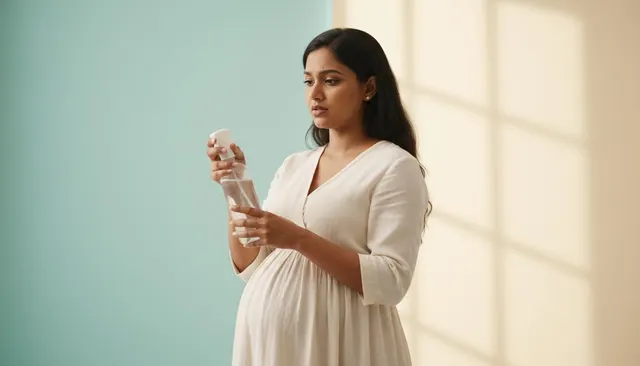
If you are expecting a new baby right now, you probably have many questions and even a little worry. When you do daily chores around your house, you might wonder if your cleaning products could harm your baby. That is a very normal question to have because every parent wants to protect their little one.
Today, let us talk openly about household chemicals, what they do, and how you can keep yourself and your growing baby safe. We will walk through simple steps, natural cleaning ideas, and expert medical advice so you can feel confident every single day.
As a patient health educator, my goal is to give you clear, simple, and reliable facts. Let us look at what you need to know about keeping your home clean while keeping your pregnancy safe and healthy.
Key Takeaways for Expectant Mothers.
- Most regular household cleaning products are safe to use during pregnancy when you follow basic safety steps.
- Always wear rubber gloves, open your windows wide for fresh air, and never mix different cleaning chemicals together.
- Strong products like paint thinners, oven cleaners, and old lead-based paints carry serious risks and should be avoided.
- Switching to natural cleaners like baking soda, vinegar, and lemon juice is a safe and effective way to clean your home.
- Always talk to your doctor right away if you feel dizzy, sick, or unsure about any chemical exposure at home or work.
Calculate the due date based on the last menstrual period
Do Household Chemicals Really Affect Your Baby?
Put simply, many common household cleaning products and chemicals are completely fine to use during pregnancy. However, you must handle certain products with extreme care or avoid using them entirely.
Think about common ingredients like ammonia and chlorine found in strong surface cleaners. Their strong smells can make you feel sick to your stomach or trigger sudden bouts of nausea. Yet, according to organizations like the March of Dimes, these specific fumes do not usually cause toxic poisoning for your baby.
On the other hand, certain products can be genuinely dangerous during pregnancy. These include specific paint types, paint thinners, oven cleaners, varnish removers, air fresheners, aerosol sprays, and harsh carpet cleaners.
You might wonder how these items could actually affect your baby. The exact impact depends heavily on the specific product and how much of it you encounter. While many chemicals cause zero issues, breathing in heavy fumes or absorbing high doses through your skin can pose risks to a developing baby.
Important Safety Rules to Follow During Pregnancy.
Now that you know the basics, let us review the most important steps you should take. Keeping these simple rules in mind will help protect both you and your precious baby every single day.
Talk to Your Doctor.
This is the single most important step of all. If you have even a tiny doubt about any chemical you use at home or your workplace, talk to your doctor right away.
Your doctor can give you accurate guidance tailored specifically to your health and your baby. Sometimes you might worry needlessly, but other times you might learn vital safety tips you did not know before.
Always Read Product Labels.
Many of us grab a bottle from the store shelf and start cleaning without ever reading the warning label. During pregnancy, you must change this habit right away.
- Read the product label carefully before you use any new item in your house.
- If a product is harmful or toxic during pregnancy, the label should state those warnings clearly.
- Check whether it is safe for you to simply be in the room while someone else uses the product.
- If the label does not give clear answers, call the manufacturer directly to ask before opening the bottle.
Remember: Never take chances by guessing. Your health and your baby's safety are always worth the extra caution.
Follow Safe Cleaning Methods.
When you must use a cleaning chemical, make sure you follow these protective steps every time:
- Open all doors and windows wide to create strong cross-ventilation so chemical fumes never get trapped indoors.
- Wear sturdy rubber gloves to prevent harsh liquids from touching your skin or absorbing into your body.
- Wear a clean face mask, especially when dealing with strong odors, fine dust, or powdery cleaning powders.
Consider a real-life example of an expectant mother who decided to scrub her bathroom tiles using a harsh cleaner without opening any windows. After a short while, she felt dizzy and struggled to catch her breath. Thankfully, she walked outside into fresh air right away, preventing a major medical emergency. This shows why proper ventilation matters so much.
Never Forget to Wash Your Hands.
Even if you wear gloves the entire time you clean, always wash your hands and arms thoroughly with soap and water afterward. Tiny amounts of chemical residue can linger on your skin without you realizing it, making handwashing an essential daily habit.
Switch to Natural Cleaners.
Switching to natural cleaning alternatives is a brilliant choice for pregnant mothers and families everywhere. Natural options protect your indoor air quality and keep your home sparkling clean without harsh synthetic risks.
- Baking Soda: This gentle powder cleans kitchen counters, sinks, and bathroom tiles wonderfully.
- Vinegar: White vinegar works as an incredible natural cleaner and grease cutter for multiple household surfaces.
- Lemon Juice: Fresh lemon juice acts as a natural disinfectant and leaves a clean, pleasant scent behind.
- Borax: Borax is sometimes used for heavy-duty cleaning tasks, though you should handle it with care and keep it stored safely.
Using these natural ingredients reduces your exposure to artificial chemicals drastically. You can easily find simple recipes online to make your own safe, eco-friendly cleaning sprays at home.
Think Carefully About Nursery Paint.
Designing and painting your baby's nursery before they arrive is an exciting milestone. However, if you are pregnant, you should never paint the nursery yourself. No matter how excited you feel, let someone else handle the painting work.
- Older Homes and Lead Paint: If your home was built before 1978, the existing layers of paint might contain lead. Lead-based paint is extremely dangerous for pregnant women and young children. Never scrape, sand, or remove old paint yourself.
- Modern Paints: Most modern paint formulas are much safer than older types. Even so, there is no reason to take unnecessary risks. Let a family member paint the room while you stay elsewhere, and return only after the paint dries completely and the room airs out.
- Always ask your doctor if you feel unsure about any chemical product at home or work.
- Make reading product warning labels a permanent daily habit.
- Always use safety gear like gloves, masks, and open windows when cleaning.
- Choose natural cleaning alternatives whenever you possibly can.
- Leave painting and heavy renovation work entirely to other family members.
- Your health and your baby's safety are always your top priority.
- Severe difficulty breathing or sudden shortness of breath.
- Chest pain, severe dizziness, fainting, or confusion.
- Accidental swallowing of concentrated cleaning chemicals or poisons.
- Severe skin burns, eye irritation, or persistent vomiting.
❓ Frequently Asked Questions (FAQ).
💡 Take-Home Message.
Let us review the most important points to keep in your mind moving forward:
Wishing you and your little baby a wonderful, healthy, and joyful journey ahead!
When to Call for Emergency Help.
Seek emergency medical care right away if you experience any of the following severe symptoms after chemical exposure:
Call 911 (US/Canada), 999 (UK), or go to your nearest Emergency Department (ER / A&E) right away. You can also contact Poison Control at 1-800-222-1222 in the US.
Comparison of Cleaning Products for Expectant Mothers.
| Product Type. | Pregnancy Safety Level. / Recommended Action. |
|---|---|
| Baking Soda & Vinegar. | Pregnancy Safety Level.: Very Safe. Recommended Action.: Use freely for everyday household cleaning. |
| Standard Surface Cleaners. | Pregnancy Safety Level.: Safe with Precautions. Recommended Action.: Use gloves, open windows, and wear a mask. |
| Paints & Paint Thinners. | Pregnancy Safety Level.: High Risk / Avoid. Recommended Action.: Avoid entirely; let others do the painting work. |
| Oven Cleaners & Aerosols. | Pregnancy Safety Level.: High Risk / Avoid. Recommended Action.: Avoid strong chemical sprays or delegate tasks. |




No comments yet. Be the first to share your question or experience below.