

As a mother or father, one of the biggest challenges you face is providing your children with good, nutritious meals, even on a budget. Sometimes you wonder, 'How can I feed these little ones good food and keep them full, while also reducing the cost?' It's a real challenge. But don't worry, today we'll talk about some simple solutions to this. If you follow these tips, you can keep your child happy by feeding them healthy, affordable meals.
Should we teach your child to listen to his body?
First, let's look at how we can help our children recognize what their bodies are telling them. This is a very important thing. Simply put, it's about teaching them to understand for themselves whether they're hungry or full .
Just think, if you teach a child this habit from a young age, it can prevent them from overeating or going hungry when they grow up. It can also be a great help in maintaining a healthy weight.
How do you do this?
- Talk to your child: When your child sits down to eat, or asks for food, you can ask, "Is your child really hungry? Is there any noise in their stomach? Or does their head hurt?" Sometimes little ones can get a headache when they're hungry, or they can be a little cranky. These are the signals their body is giving them.
- Teach your child the signs of hunger: Teach your child that things like the feeling of 'belching', stomach growling, sometimes feeling a little tired, weak, and having trouble concentrating can be signs of hunger. Ask simply, "Does your stomach make a little noise when you're hungry, son?"
- Signs of fullness are also important: So is the feeling of 'enough now'. Teach your child that when they are a little full, they feel like they can't eat anymore. Some children try to eat everything on their plate even when they are full, or we force them to eat. Don't force them. 'Does your son/daughter feel full now?' Ask them lovingly, 'Is there room in your stomach for more food?'
- Listen to your child: The most important thing is to listen to your child, whether they say, "I'm not hungry" or "I've had enough." Don't force them to eat. Teach them to trust their body. This will help them learn to trust their body signals.
Remember, this won't happen overnight. Over time, your child will learn to recognize what their body is telling them. Be patient.
Let's make it a habit to serve meals and snacks on time.
The second important thing is to give children three main meals at regular times, with one or two snacks in between . This ensures that the child's body gets the nutrients it needs, and gives them the energy to run around, play, and learn all day long.
Why is it important to feed at this time?
Think about it, our little ones are like running machines, aren't they? They need energy all the time. If they don't eat something every 3-4 hours, they get tired very quickly, get hungry and try to eat a lot at the next meal. Then sometimes they eat more than they should, which can lead to stomach discomfort and bloating.
Also, feeding at the right time helps to maintain a child's blood sugar level. This is very important for their brain function, concentration, study, and play. Sudden fluctuations in blood sugar levels can also affect their mood.
Here is a sample schedule:
This is just an example, you can adjust it to your daily household chores and your child's school schedule.
- Breakfast: 7.30am - 8.30am (depending on school start time)
- Lunch: Between 10.30 - 11.30 am (depending on the school interval)
- *Note:* Some schools may serve lunch later than this. If the gap between breakfast and lunch is more than 4 hours, you may be allowed to take something with you in the morning, such as a small piece of fruit or yogurt.
- Afternoon snack: Between 2.30 - 3.30 pm (when you get home from school)
- Dinner: Between 6:00 - 7:00 PM (Eating dinner a little earlier is easier for young children to digest)
Now look, in this schedule, the afternoon snack is given to bridge the big gap between lunch and dinner. This will prevent the child from being too hungry at dinner time and will help control unnecessary overeating.
The most important thing is to make sure your child drinks plenty of water between meals. Sometimes children can feel hungry even when they are thirsty. So remind them to drink water regularly.
Let's choose foods that are inexpensive but rich in fiber and protein.
The third and most practical thing is to choose foods that we give our children, especially snacks, that are rich in fiber and protein . These foods not only fill the child's stomach quickly, but also keep them full for a longer period of time.
Why are fiber and protein so good?
Simply put, it takes the body a little longer to digest these two nutrients. That means, since this food stays in the baby's stomach for a long time, he won't get hungry again as quickly. That will also reduce the number of times he says, "Mommy, I'm hungry," right? Fiber also helps prevent constipation, and protein helps the body grow and strengthen muscles.
Where do you find this fiber?
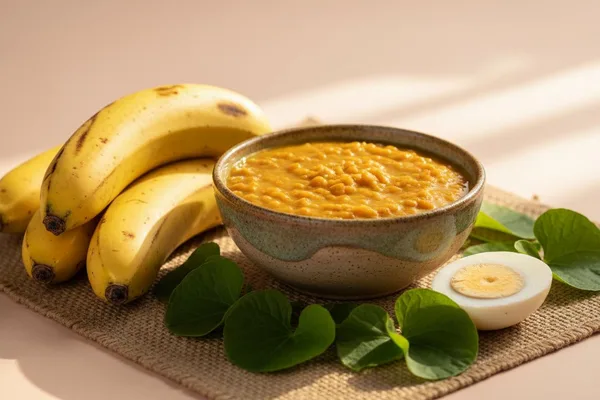
- Fruits: Any fruit is good for fiber, such as bananas, mangoes, papayas, guavas, oranges, tangerines, pineapples, guavas, and watermelons. It's even better to give fruits that can be eaten with the peel (washed well), because the peel contains the most fiber.
- Vegetables: All vegetables contain fiber, such as carrots, beans, cabbage, spinach, beets, turnips, pumpkin, and okra. Starchy vegetables like potatoes and sweet potatoes are also good, but give them in balance with leafy greens and other vegetables.
- Whole Grains: Brown rice, buckwheat, oats, atta flour, barley, etc. When choosing bread, choose whole grain bread.
What foods are rich in protein?
- Legumes like lentils, chickpeas, green beans, and peas: These are great sources of protein that are essential in our homes and can be purchased at low cost. Boil them, make gravy, make vadas, and add them to any meal.
- Cheese, milk, yogurt, skim milk: These provide calcium as well as good protein. Choose yogurt with low sugar.
- Fish, meat, chicken, dried fish: Cut them into small pieces that are easy for children to digest, and cook them well. It is best to cook them using less oil.
- Eggs: One egg a day is a great source of protein and nutrition. You can serve it boiled, made into an omelet, or mixed with vegetables.
- Nuts and Peanut Butter: Things like cashews, peanuts, and almonds. However, since whole nuts can choke on children under 5 years of age, give them in powder or as a spread like peanut butter (unless the child is allergic).
Tips for choosing good food for your budget
Now you're probably wondering, 'Where will I get the money to buy all this?' It's true, it's hard to buy things every day. But if you think about it, there are ways to provide this nutrition to your child at a low cost.
- Food in the cupboard costs less than food in the fridge: Generally, packaged, pre-packaged dry foods (`Dry Rations`) are cheaper than fresh items that need to be refrigerated. For example, a packet of chickpeas, a kilo of lentils, a kilo of rice.
- Use what you have at home: Do you have bread? Then serve it with a lentil stew. Do you have leftover rice? Make a small rice ball with coconut sambol and an egg. If you have peanut butter, serve it with a banana. If you think about it, you can make a wonderful, nutritious meal with the things you have at home.
- There are cheap fruits and vegetables all year round: Bananas, papaya, mangoes (in season), carrots, beans, pumpkins, and okra are usually available at reasonable prices all year round. Take advantage of them. You can get them even cheaper if you go to the weekly market.
- Frozen or canned fruits and vegetables are also good options: Sometimes, when fresh fruits and vegetables are in short supply, it's a good idea to use canned fish, canned peas, or frozen vegetables (a good brand). But when serving canned foods, be mindful of the salt (sodium) content. Instead of canned fruits with added sugar, choose those in their own juice.
- Easy-to-carry snacks when traveling: A packet of popcorn, some homemade murukku, boiled chickpeas in a small box, crackers with peanut butter, and a banana are easy to carry when traveling, and are good to give to your child when he or she is hungry.
Important: When introducing new foods to children, don't give them a lot at once. Give them a little at a time and see if they like it or if they are allergic to it. Don't give up on a food because they don't like it, try it again a few days later in a different way.
So, let's just remind ourselves of what we talked about once more? (Take-Home Message)
So, our dear mothers and fathers, you probably understand now, right? It's not that difficult to provide our children with nutritious, filling meals, even at a low cost.
- First, teach your child to listen to his body. Help him understand when he is hungry or full.
- Second, give them meals and snacks at the right time. This will help them stay energized throughout the day.
- Third, choose foods that are rich in fiber and protein, and are also inexpensive. Include fruits, vegetables, grains, legumes, and eggs in your diet regularly.
- Also, be creative! Try to make delicious, nutritious meals from things you have at home. Get your child to help with small tasks, like choosing and preparing food. That way, they'll love eating more.
Don't forget: Every child is different. What one child likes may not be what another child dislikes. The most important thing is to help them develop good eating habits with patience and love. You don't have to go through this journey alone, and if necessary, you can also seek advice from a nutritionist or your family doctor.
May you all have a wonderful time with healthy, happy children!
` Food for children, nutritious food, low-cost food, children's hunger, snacks, fiber, protein




💬 Comments (0)
No comments yet. Be the first to share your thoughts here.
Add Your Comment