

Are you worried about what your child eats at school every day? Many parents share this common concern. Often, school is the very first place where children get to choose their own meals from a canteen or cafeteria. The food choices they make right now can have a major impact on their overall health and well-being.
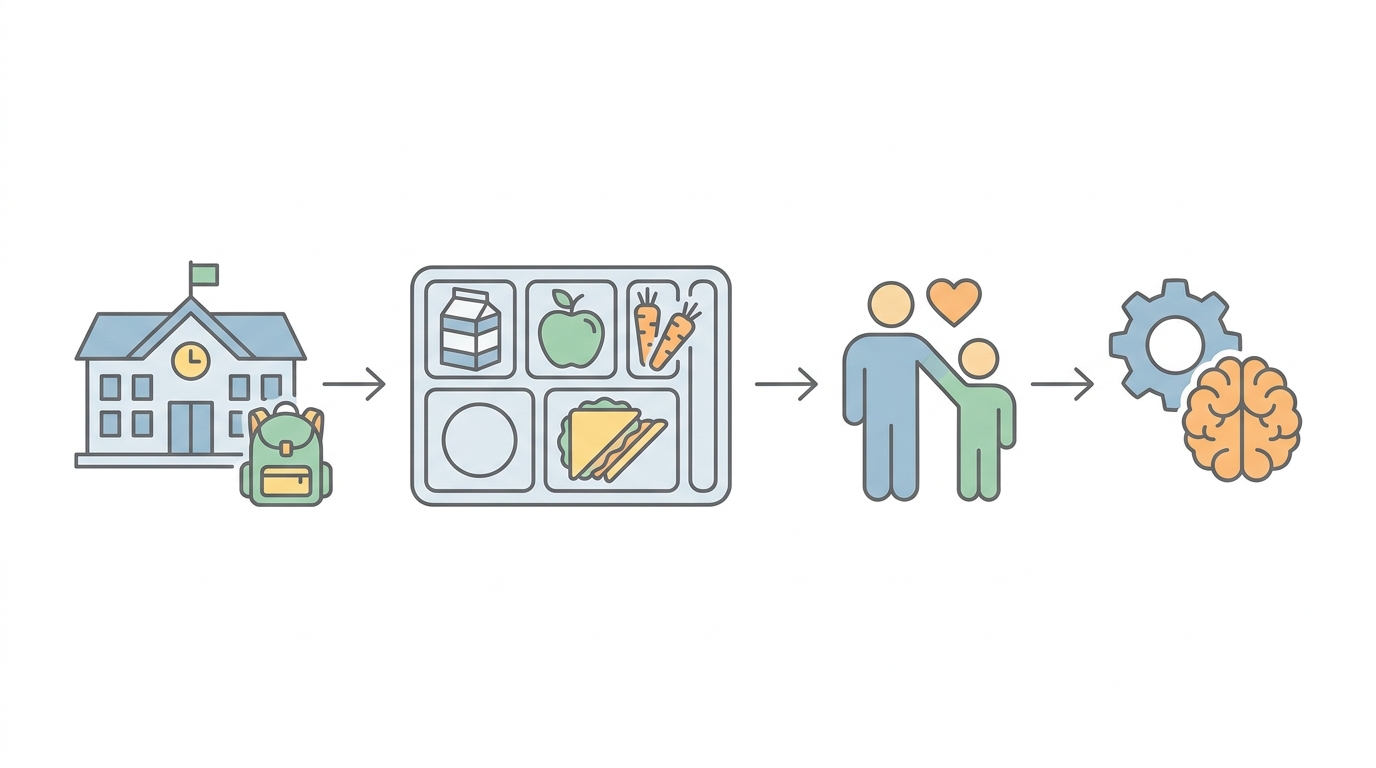
As parents, we want to give our children the best start in life. Good nutrition is not just about filling their bellies. It is about fueling their minds, supporting their physical growth, and protecting them from illness as they grow up.
Key Takeaways for Parents.
- School lunches provide the vital energy children need to study, play, and stay active throughout the day.
- School canteens offer both healthy choices and high-calorie, processed foods.
- Open communication helps children learn how to make smart food choices on their own.
- Packing homemade lunches gives you full control over your child's nutrition and food quality.
- Small, gradual changes in diet lead to lifelong healthy habits without causing mealtime battles.
Why Is School Lunch So Important?
Think about how hard your child works all morning at school. They are learning new subjects, running around during recess, and playing sports with friends. The energy they get from their midday meal helps them stay focused and active during the second half of the day.
A truly nutritious lunch is much more than just a quick snack. It provides essential nutrients that build strong bones, sharp brains, and a healthy immune system. The food habits children learn at a young age often stay with them for the rest of their lives. That is why paying attention to what they eat at school matters so much.
Challenges When Choosing Food at the School Canteen.
Modern school canteens have improved a lot over the years. Many now offer healthy options like grilled chicken sandwiches, fresh fruit cups, and crisp green salads. This is wonderful news for parents who want their children to eat well.
However, school canteens and vending machines also make it very easy for children to pick unhealthy foods. A child might decide to buy a hot dog or processed snacks every single day. While eating treats once in a while is fine, making unhealthy foods a daily habit can harm their health over time.
How You Can Help Your Child Make Better Choices.
This is where your guidance makes all the difference. If your child is young, explain things in simple words they can understand. Show them how a healthy lunch gives them the energy to run faster, play longer, and feel great all afternoon.
Here are some practical steps you can take today:
Check the School Canteen Menu Together.
Sit down with your child and look over the school canteen menu together. Ask them what kinds of food they like and what options are available for lunch.
Talk about the healthy choices available on the menu. At the same time, allow them to enjoy their favorite treat once in a while, even if it is a hot dog. Banning foods completely often makes children want them even more in secret.
Discuss items like potato chips, sugary sodas, and ice cream openly. Talk about whether these items are sold at school, when they are available, and why moderation is important.
Discuss the Benefits of Bringing Lunch From Home.
Encourage your child to bring a homemade lunch box from home at least a few days a week. This guarantees that your child gets a fresh, balanced meal that you prepared yourself.
Preparing meals at home also lets you control the quality of ingredients and maintain high standards of food safety and hygiene.
Simply put, talking openly with your child about food is the best way to teach them how to make smart choices on their own.
How to Guide Your Child Toward Healthy Choices.
If your child buys lunch at school, guide them to pick foods that support their health and growth:
- Fresh fruits and vegetables: These foods provide essential vitamins, minerals, and dietary fiber. Ask your child to pick at least one fresh fruit or vegetable serving with every meal.
- Lean meats: Foods like chicken breast and fish are packed with protein. These nutrients are vital for your growing child. Grilled, boiled, or steamed options are much better than deep-fried choices.
- Whole grains: Swap white bread for whole-wheat bread, or choose brown rice. The fiber in whole grains keeps your stomach full longer and releases energy slowly.
- Limit fried foods: Help your child understand that eating oily, deep-fried snacks too often is bad for their heart and energy levels.
- Water or low-fat milk: Water is the best drink for growing bodies. Teach your child why staying hydrated with water is so essential every single day.
Make the Lunch Box Delicious and Healthy.
If you pack a lunch box for your child every day, here are some fun and nutritious ideas to try:
Create a Meal Plan Together With Your Child.
Talk with your child and make a list of healthy foods they actually enjoy eating. When children help plan their meals, they are much more likely to eat them without fuss.
Instead of the same old peanut butter and jelly sandwich every day, try something different. Make sandwiches using whole-grain bread, pita bread, or tortilla wraps filled with grilled chicken and fresh veggies.
Warm homemade soups packed in a secure thermos or colorful vegetable salads are also fantastic lunch box options.
Leftovers from last night's healthy family dinner can also make a quick and easy lunch box meal!
Small Changes Make a Big Nutritional Difference.
Simple tweaks to your child's lunch box can create massive health benefits over time. Consider these easy swaps:
- Using whole-grain bread instead of plain white bread.
- Packing a reusable water bottle or unsweetened fresh fruit juice instead of sugary sodas.
- Including a fresh piece of fruit, a cup of yogurt, or a cheese stick instead of oily packaged snacks.
- Choosing low-fat milk instead of full-fat dairy drinks.
- Adding a small vegetable salad or sliced crunchy vegetables like carrots and cucumbers.
Small steps like these give your child a powerful nutrition boost every single day.
More Important Points for Parents.
- The importance of breakfast: Just like lunch, breakfast is essential for every child. A nutritious breakfast gives your child a strong start and the mental focus they need for morning classes.
- Hydration matters: Make sure your child drinks enough water throughout the school day. Always send a filled water bottle in their school bag.
- Be a good role model: Children watch what adults eat. When you make healthy food choices, your child will naturally follow your positive example.
- Avoid mealtime battles: Do not turn eating into a stressful struggle. Talk about food in a friendly way and guide your child to make good choices rather than forcing them.
Take-Home Message.
You can now see how important it is to pay close attention to your child's school meals and daily nutrition.
Remember, instead of forcing massive changes all at once, adding small healthy habits step by step is the most successful approach.
- Talk openly with your child about food and listen to their ideas.
- Teach them about healthy, nutritious choices available in the school canteen.
- Try to pack a wholesome, homemade lunch box whenever you can.
- Your small steps today build a strong foundation for your child's healthy future!
Let us all care for our children's health. After all, a healthy generation of children is our country's most valuable treasure.
When to Seek Medical Attention.
If your child experiences severe allergic reactions, persistent digestive pain, sudden unexplained weight loss, or extreme fatigue related to diet, consult a doctor right away.
Call emergency services (911 in the US/Canada, 999 in the UK) or visit your nearest Emergency Department right away if your child shows signs of severe allergic shock, breathing difficulties, or sudden fainting.
Comparison of School Lunch Options.
| Food Category. | Less Healthy Choice. | Healthy Choice. |
|---|---|---|
| Bread & Grains. | White bread sandwiches. | Whole-wheat bread or pita wraps. |
| Drinks. | Sugary sodas and packaged juices. | Fresh water or low-fat milk. |
| Snacks. | Oily potato chips and candy. | Fresh fruits, yogurt, or vegetable sticks. |
A Note from Nirogi Lanka.
Paying close attention to your child's daily nutrition and school lunch choices is vital for their long-term health and development. Guiding them toward wholesome foods helps prevent inflammation and supports lifelong wellness. Please reach out to your pediatrician or a pediatric dietitian if you need personalized dietary guidance for your child.


💬 Comments (0)
No comments yet. Be the first to share your thoughts here.
Add Your Comment