

When your little one runs and plays all day long, they get hungry very often. The snack you give between meals becomes very important for their growing body. Instead of just filling their stomach, you want that snack to deliver solid nutrition. Let us talk about simple, healthy snacks you can easily make at home to keep your child strong and happy.
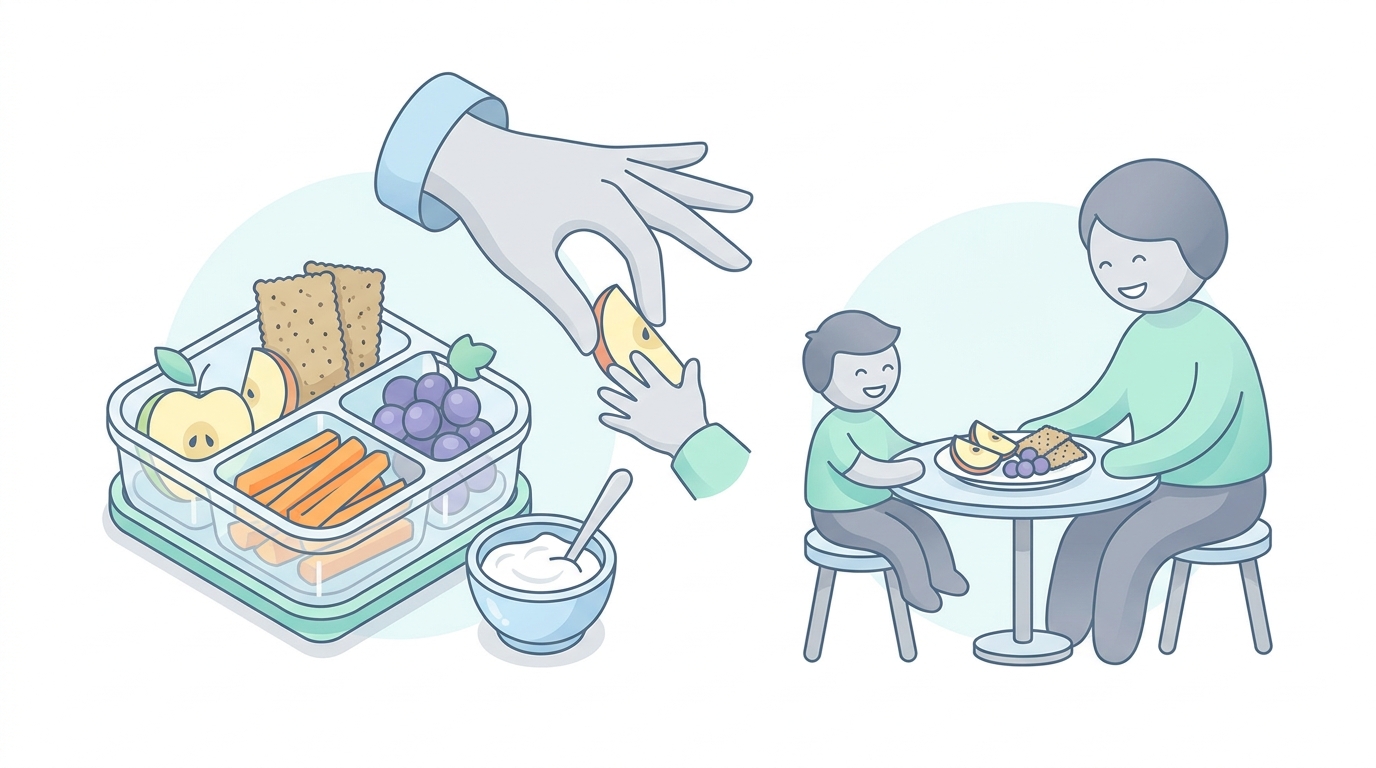
- Healthy snacks bridge the gap between main meals and provide essential daily energy.
- Combining fiber and protein helps your child feel full and supports steady growth.
- Simple foods like fresh fruits, vegetables, yogurt, and whole grains make ideal choices.
- Involving your child in snack preparation encourages healthy eating habits early on.
TDEE Calculator
Calculate the number of calories needed per day to lose, gain or maintain weight
Why Are Healthy Snacks Important for Your Child?
Simply put, a child is an active person who spends the whole day moving around. They need energy for playing, learning, and exploring the world. The small snack given between main meals provides that vital energy boost. These snacks also supply key nutrients like vitamins and minerals that support normal childhood development.
However, a snack should not just be full of sugar or oil. It needs to be balanced with proper nutrients. You should pay special attention to two essential parts of your child's nutrition: fiber and protein. When your child gets enough of both, they stay healthy, active, and ready for action.
What Is Fiber and Why Does Your Child Need It?
Think of fiber as a tiny helper inside your child's body. The fiber in the food helps your child feel full quickly. This prevents them from constantly asking for junk food or craving sugary sweets. Fiber also keeps the digestive system working smoothly and prevents common tummy troubles like constipation. You find plenty of fiber in fresh fruits, vegetables, and whole grains.
Important: When you give your child fiber-rich foods, make sure they drink enough water too. Water helps the fiber work properly in the body. Without enough water, your child might experience mild stomach discomfort.
What Does Protein Do?
Protein is something your child needs for steady growth. Much like bricks are needed to build a house, protein builds strong muscles and bones. It also keeps your child's skin, nails, and hair healthy. Protein gives your child the energy they need to last through a busy day.
When a child gets sick, protein helps them heal faster and keeps their immune system strong. You can find plenty of protein in eggs, meat, fish, dairy items, and nuts. Including these foods in daily snacks supports overall physical health and development.
How Do You Make a Healthy Snack?
Making a healthy snack is quite simple. You can combine items from two basic food groups: fiber-rich foods and protein-rich foods. Think of these two food groups like best friends. When they work together, the result is much better than having just one.
Step 1: Choose a Fiber-Rich Food.
First, pick a food that gives your child fullness and supports good digestion. You can choose one of these options:
- Fresh Fruit: Any fruit your child enjoys. Examples include a banana, mango slices, papaya chunks, an orange, grapes, or watermelon. Their natural sweetness makes them a favorite for kids, and they deliver great vitamins.
- Vegetables: Cucumber slices, baby carrots (raw or cooked), tomato wedges, or bell pepper strips. Raw vegetables work best if your child likes them. For younger children, you can steam and mash them slightly. Lettuce leaves also work well.
- Whole Grains: A slice of whole-grain bread, whole-grain crackers, or a low-sugar cereal. Check the package to make sure it says whole grain. Oatmeal is another wonderful choice.
Step 2: Add a Protein-Rich Food.
Next, pair that fiber-rich food with a protein-rich food to give your child lasting energy and support growth.
- Protein Foods: Peanut butter (only if your child has no allergies), a boiled egg, boiled chickpeas, mung beans, or almonds and cashews. Remember to crush nuts or use nut butter carefully for younger children to prevent choking. Small pieces of cooked fish or chicken also work well.
- Dairy Items: A glass of fresh milk or full-cream milk powder, low-fat yogurt, or a slice of cheese. These provide calcium and other important nutrients that build strong bones. Traditional curd is another great choice.
As you can see, the process is very straightforward. Combining fiber and protein maximizes the nutritional value of the snack while keeping things interesting for your child.

Clinical vitamins and nutritional supplements
Clinically proven high quality vitamins, minerals and immune nutritional supplements.
Check Availability →Easy Healthy Snack Ideas to Make at Home.
Now, let us look at some quick, kid-friendly snack ideas you can prepare at home without spending too much time.
- Low-Sugar Cereal and Low-Fat Milk: When your little one comes home from play and feels hungry, this makes a fast option. Pour about one cup of cereal and 240 milliliters of milk into a bowl. Choose a cereal brand with very low sugar, such as Cheerios or Kix. The cereal provides fiber while the milk supplies protein.
- Fruit and Yogurt: This makes a delicious and healthy combination. Mix half a cup of your child's favorite fruit pieces into a cup of plain or low-fat yogurt. Yogurt offers protein and calcium, while fruit adds fiber and vitamins. Bright, colorful fruits make this snack extra appealing.
- Whole-Wheat Tortilla and Peanut Butter: Spread one or two tablespoons of peanut butter evenly over a whole-wheat tortilla. Roll it up and slice it into fun round pinwheels. Kids love fun shapes. The tortilla provides fiber, and the peanut butter supplies protein. Just make sure your child has no peanut allergies before serving.
- Vegetables and Cheese: Cut cucumbers and bell peppers into neat slices, add tomato chunks, and serve them alongside a small one-ounce piece of cheese. Cheese provides protein and calcium, while vegetables give fiber and vitamins. Crunchy raw vegetables make snack time fun.
- Whole-Wheat Toast and a Boiled Egg: Toast a slice of whole-wheat bread and serve it with a freshly boiled egg. The bread provides fiber, and the egg delivers clean protein. You can chop the egg into small pieces or make a quick egg salad to spread on top.
Helpful Tip: Presentation matters when feeding children. Using colorful fruits and vegetables and cutting food into fun shapes like stars or hearts makes kids much more excited to eat. You can even involve your child in making these snacks so they learn about food while having fun.
Key Takeaways.
The snack you give your child should do more than just quiet their hunger. It should provide the nutrition necessary for their daily health and growth. Keeping these core principles in mind makes healthy snacking easy:
- The Golden Rule: Combine a fiber-rich food with a protein-rich food for the best nutritional balance.
- Fruits, vegetables, and whole grains serve as excellent sources of dietary fiber.
- Eggs, dairy products, legumes, and peanut butter (allergy permitting) supply high-quality protein.
- Limit highly processed foods loaded with artificial sugars, oils, and artificial colors to protect your child's health.
- Preparing healthy snacks together helps your child develop positive attitudes toward food and nutrition.
Try using these simple methods today to prepare nutritious, tasty snacks for your little one. Seeing your child healthy and happy brings true joy. If you have any specific questions about your child's nutrition, consult your family doctor or a registered pediatric nutritionist.
Call emergency services (911 in the US/Canada or 999 in the UK) or visit the nearest emergency department right away if your child shows signs of a severe allergic reaction (such as difficulty breathing, swelling of the face or lips), persistent severe abdominal pain, or choking.
Comparison of Snack Options.
| Snack Type. | Fiber Source. | Protein Source. | Best For. |
|---|---|---|---|
| Fruit & Yogurt Bowl. | Fresh Berries / Banana. | Low-fat Yogurt. | Afternoon Energy. |
| Toast & Boiled Egg. | Whole-wheat Bread. | Boiled Egg. | Quick Morning Snack. |
| Tortilla Pinwheels. | Whole-wheat Tortilla. | Peanut Butter. | School Lunchbox. |


No comments yet. Be the first to share your question or experience below.