

Discovering that your child is bullying other children at school or in the neighborhood can come as a tremendous shock. It brings profound sadness and worry, leaving many parents wondering where they went wrong. Yet, even though hearing this news is difficult, taking prompt action is the most important step you can take right now.
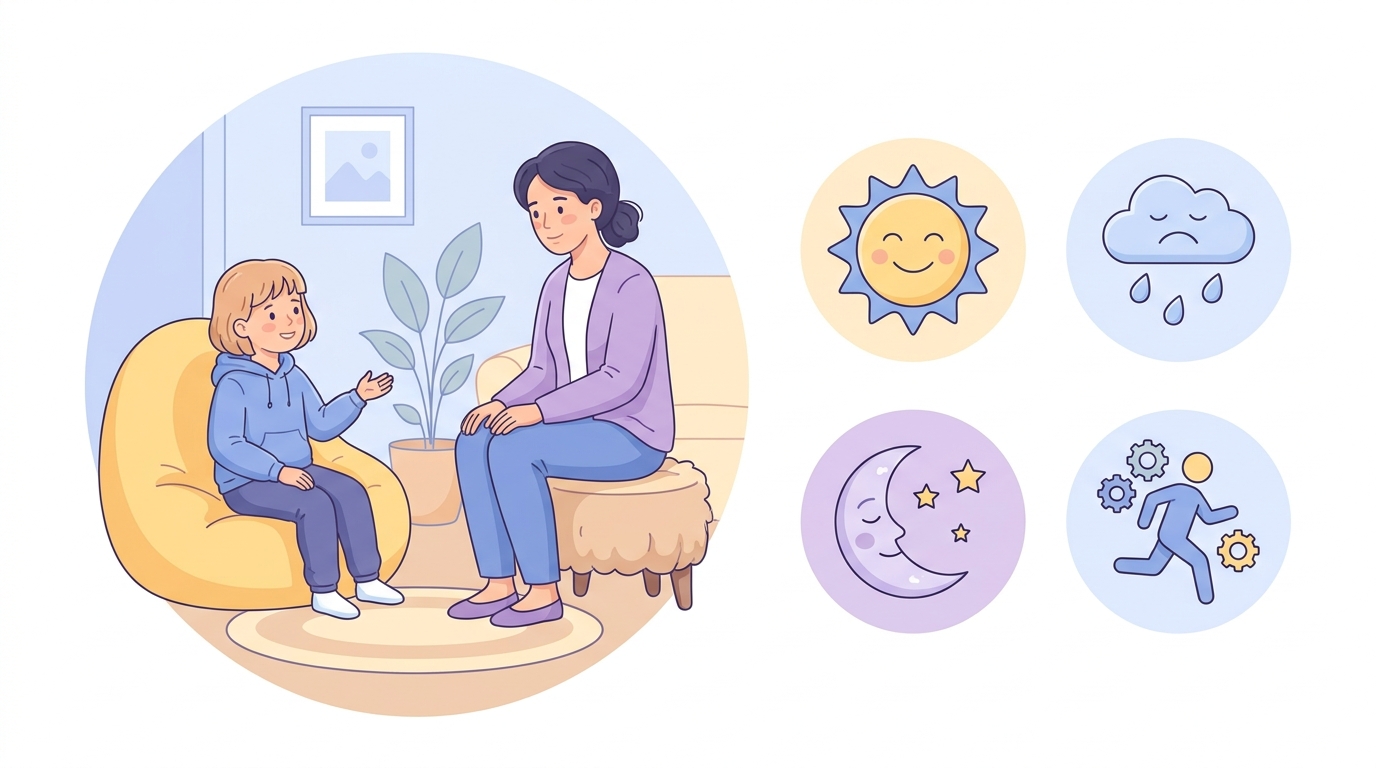
Bullying can take many forms, from hurtful words to physical aggression online and offline. If left unaddressed, these behaviors can escalate into severe social difficulties, academic trouble, and lasting relationship issues. Understanding the root causes helps you guide your child toward healthy, compassionate choices.
Key Takeaways for Parents.
- Acknowledge the Issue: Treat bullying as a serious behavioral concern that requires immediate attention.
- Identify Root Causes: Look for underlying insecurities, imitation, or emotional struggles driving the behavior.
- Set Clear Boundaries: Establish firm rules against aggression both online and offline.
- Foster Empathy: Teach children to respect differences and care for the feelings of others.
- Seek Professional Help: Consult therapists or school counselors when behavioral challenges persist.
Why Do Children Bully Others? Understanding the Causes.
Children engage in bullying behaviors for various complex reasons. Exploring these underlying triggers helps parents address the core problem rather than just punishing the surface action.
Insecurities and Displaying Power.
Some children struggle with deep feelings of personal inadequacy. They often wonder if they are good enough or if peers are more talented than they are. By targeting someone they perceive as physically or emotionally weaker, these children gain a false sense of importance and control.
Imagine a child teasing a younger classmate during lunch to impress onlookers. That child temporarily feels like a hero, even though the action is harmful. Recognizing this insecurity allows parents to redirect that need for validation into positive achievements.
Not Realizing That Bullying Is Wrong.
In some cases, children bully simply because they do not fully understand that their actions cause harm. Teasing peers about their height, weight, appearance, race, or religion is often dismissed by children as a harmless joke rather than recognized as cruel behavior.
Children need explicit guidance to learn that words carry heavy consequences. Teaching them the difference between playful teasing and hurtful bullying prevents casual unkindness from turning into a habit.
Part of an Aggressive Behavioral Pattern.
For other children, bullying forms part of a broader pattern of stubborn and aggressive conduct. These children often need help managing intense emotions like anger, frustration, and pain. They often lack the essential social skills required to cooperate peacefully with peers.
During such times, counseling or professional therapy provides valuable tools. Therapy helps children process difficult emotions, stop aggressive habits, and build healthy social skills.
Imitating Things Seen at Home.
Tragically, some children learn bullying behaviors by imitating what they witness in their own homes. Children who observe aggressive communication or a lack of kindness among family members often mirror those exact actions outside the home.
also, children who face constant criticism or harsh discipline at home may view bullying as a normal way to control weaker peers. Examining our own household environment is a vital step toward creating lasting positive change.
What Can Parents Do to Stop Bullying?
If you discover that your child is involved in bullying, try to remain calm while acting decisively. Implement these practical steps to guide your child toward better behavior.
1. Treat Bullying as a Serious Matter.
First, make it completely clear to your child that bullying is unacceptable. Explain that continuing this behavior will lead to severe consequences at home, at school, and in the community.
Set firm household rules regarding respectful conduct and enforce them consistently. If you restrict privileges as a consequence, ensure it directly addresses the action. For instance, if your child bullies peers through text messages, emails, or social media, suspend their phone or computer privileges.
When children display aggression toward siblings or others, stop it right away. Teach them peaceful alternatives, such as walking away from frustrating situations instead of lashing out.
2. Teach Respect and Kindness for Everyone.
Teach your child that mocking or belittling others based on differences is completely unacceptable. Discuss physical traits, cultural backgrounds, and special needs openly to build genuine empathy.
Encourage your child to participate in community activities alongside peers from diverse backgrounds. This exposure helps children appreciate differences and build inclusive friendships naturally.
3. Monitor Your Child's Social Life.
Try to understand the various factors influencing your child's behavior at school and in other social environments. Talk openly with teachers, guidance counselors, school principals, and the parents of your child's friends.
Ask important questions about peer dynamics and classroom pressures. Help your child connect with positive extracurricular activities where they can forge healthy friendships.
4. Encourage Positive Behaviors.
Positive reinforcement is far more powerful than negative discipline alone. Notice whenever your child makes a kind choice or resolves a conflict peacefully.
Offer sincere praise for positive actions. Saying something as simple as, "I am so proud of how kindly you handled that difficult situation today," builds lasting confidence.
Work closely with school administrators to maintain a unified approach. When children know that parents and teachers communicate regularly, their sense of personal accountability increases greatly.
Remember that children often bully because they crave attention. When we consistently notice and reward their positive behavior, that craving is met in a healthy, supportive way.
Let Us Start Right at Home.
Occasional sibling disagreements happen in every household and are entirely normal. However, if physical aggression becomes frequent, parents must step in right away. Talk to each child individually to reinforce clear boundaries about acceptable behavior.
Reflect carefully on your own daily communication habits as well. Children who witness yelling, name-calling, harsh criticism, or physical punishment at home are much more likely to repeat those behaviors outside.
If adults model aggressive reactions during conflicts, children quickly follow that example. Instead, focus on constructive conflict resolution and discuss your own feelings openly when you feel stressed.
While discipline and constructive feedback are essential parts of parenting, avoid harsh insults or personal attacks. Make sure your child understands that you disapprove of the specific behavior while believing firmly in their ability to change.
Effective Parenting vs. Ineffective Responses.
| Recommended Approach. | Counterproductive Approach. |
|---|---|
| Calmly explaining rules and enforcing logical consequences. | Yelling, shaming, or using harsh physical punishments. |
| Praising positive social choices and kindness. | Ignoring good behavior while only reacting to negative actions. |
| Collaborating with school counselors and teachers. | Blaming the school or ignoring reports from educators. |
Who Else Can Help Us?
If family stress or underlying emotional struggles continue to drive your child's behavior, seek guidance beyond the home. Guidance counselors, community leaders, family therapists, and pediatricians offer valuable support.
If your child shows a long history of severe temper tantrums, stubbornness, or difficulty managing anger, consider an evaluation by a licensed behavioral health professional or child psychologist.
Stopping bullying can feel frustrating and overwhelming for parents. However, remember that poor behavior rarely stops on its own. Think about the bright future, happiness, and healthy relationships your child deserves. Addressing these habits today lays the foundation for lifelong success.
When to Seek Emergency Medical Help.
If your child expresses thoughts of self-harm, severe depression, or sudden extreme aggression toward others, immediate professional intervention is required.
- Call 911 (US/Canada) or 999 (UK) right away if there is an immediate danger of physical harm.
- Visit your nearest Emergency Department (ER or A&E) for acute mental health crises.
- Contact local child mental health crisis lines for immediate professional guidance.
Take-Home Message.
Addressing bullying requires commitment, patience, and consistency. Review these core principles to keep your family on track:
- Understand the Root Cause: Investigate whether insecurity, attention-seeking, or imitation drives the behavior.
- Act Promptly: Treat bullying as a serious issue requiring immediate family rules and boundaries.
- Teach Empathy: Educate children on respecting differences and treating peers with kindness.
- Praise Positive Actions: Use positive reinforcement to reward good social choices.
- Partner with Schools: Collaborate closely with teachers and administrators to maintain consistent expectations.
- Model Good Behavior: show peaceful conflict resolution and respectful communication at home.
- Seek Professional Support: Consult child psychologists or therapists when behavioral challenges persist.
A Note from Dr. Priya Sammani.
Childhood behavioral and emotional development is just as important as physical health. Conditions like ADHD or anxiety, as well as peer difficulties and bullying, deeply influence a growing child's personality. Instead of relying on harsh punishment for behavioral challenges, focus on gentle discipline and professional guidance when needed. Supporting your child's emotional growth builds resilience and fosters lifelong well-being.


💬 Comments (0)
No comments yet. Be the first to share your thoughts here.
Add Your Comment