

In today's fast-paced digital world, it is easy to assume our children are always connected. Yet, many parents notice a quiet sadness or a sense of isolation in their kids. If your child seems withdrawn, you might wonder if they are feeling lonely.
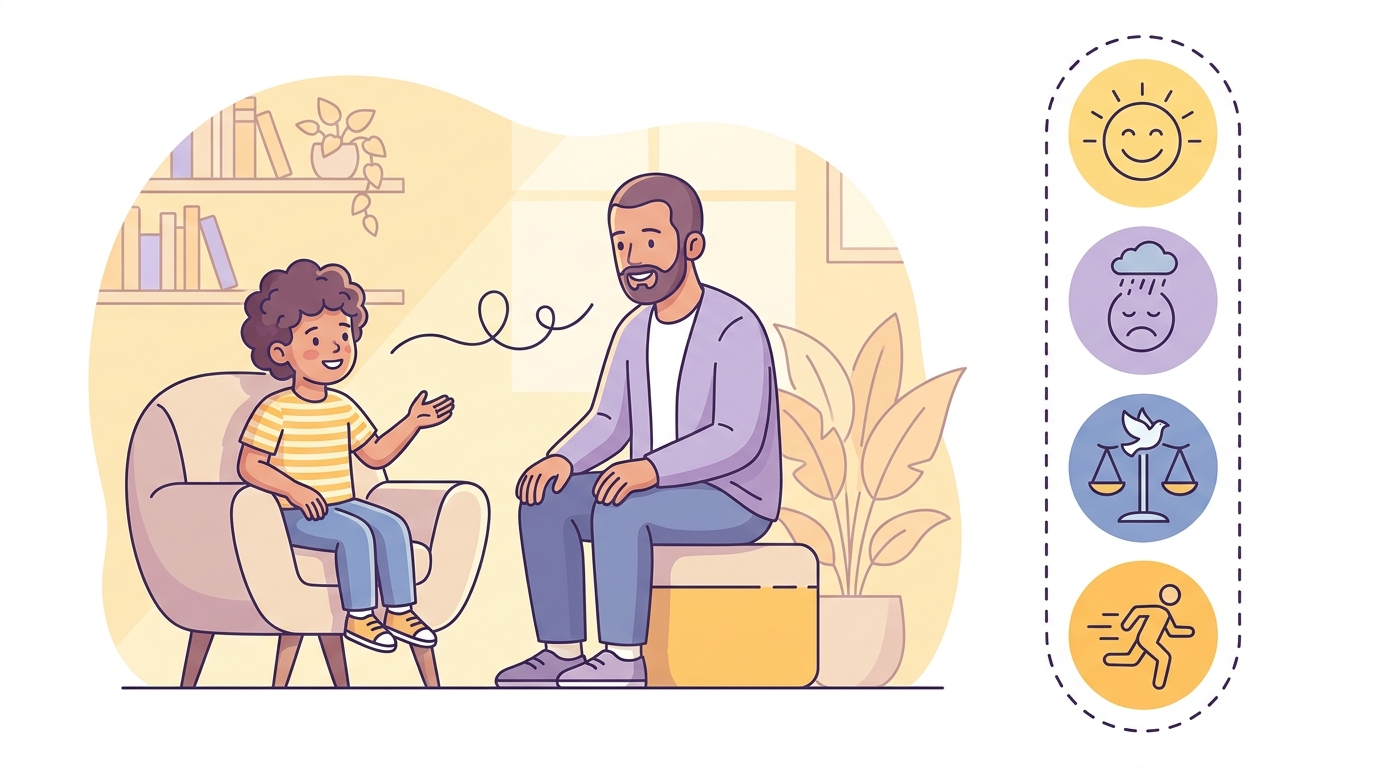
Loneliness in children is more than just a fleeting moment of boredom. It is a deep emotional signal that deserves our attention and care. Understanding what causes this feeling and how social connections can help is one of the best gifts you can give your growing child.
Key Takeaways for Parents.
- Loneliness is a normal human feeling, but prolonged isolation can harm a child's mental and physical health.
- Digital screens and reduced face-to-face time have made modern children more vulnerable to feeling disconnected.
- Strong social connections provide a vital sense of belonging, love, and emotional safety.
- Parents can actively teach social skills and build daily bonding rituals to help children overcome loneliness.
What is Loneliness?
Loneliness is a feeling we all experience at different times in life. Simply put, it happens when we want closeness, love, and friendship from others, but instead feel left out, isolated, or detached.
Imagine your child sitting alone at school while other kids play together. That moment brings a sharp sense of hurt and emptiness. That painful feeling of not being included is what we call loneliness.
When Children and Teens Might Feel Lonely.
Children can experience loneliness for many different reasons throughout their daily lives. Here are some common situations where these feelings arise:
- Having no friends or feeling excluded by peers: When other children play together and leave your child out, it hurts deeply. They may think nobody cares about them or that they have no friends.
- Feeling like they do not belong: Sometimes kids feel they do not fit in with their classmates, friend groups, or even their own family members. This disconnect leads to intense loneliness.
- Believing their struggles are unique: When a child thinks they are the only one facing a problem, they pull away. They might feel nobody understands them or cares about their pain.
- having hurt after an argument: A minor disagreement with a parent, sibling, or close friend can leave a child feeling distant and emotionally isolated.
- Losing someone they love: Losing a family member, going through parental separation, or watching a best friend move to another school can trigger profound loneliness.
Why Do Children Feel Lonelier Today?
Today, kids of all ages report feeling lonely more often than in the past. One major reason is our fast-moving digital world. When everything happens through phones, computers, and tablets, children miss out on face-to-face interaction and eye-to-eye smiles.
Without real conversations, deep bonds fail to form properly. Strong friendships and family connections require sitting together and talking face to face. When that is missing, kids feel isolated. Even if a child has hundreds of online friends, they still feel lonely if they have no one to share their true feelings with in real life.
having loneliness for a long time is harmful to both mental and physical health. It affects not just a child's mood, but their entire well-being.
Fortunately, there is good news. You can help reduce this loneliness. The best solution is building strong social connections.
What is Social Connection?
Simply put, social connection means having feelings of warmth, closeness, and belonging with other people. It means feeling accepted and valued by your community. This is a basic human need, just like food, water, and sleep.
Just as going without food causes hunger, lacking social connections causes that empty feeling of loneliness. When a child enjoys healthy social connections, wonderful things happen:
- Feelings of loneliness decrease greatly, and children rarely feel entirely abandoned.
- If temporary loneliness occurs, children find it easier to cope and bounce back.
- Kids recover from emotional sadness faster and return to happy routines much quicker.
How Social Connections Reduce Loneliness.
Social connections benefit both mental and physical health. When a child has strong social ties, they experience specific reassuring feelings instead of loneliness:
- Feeling close to people in their lives: They sense a warm, supportive bond with parents, siblings, friends, and teachers.
- Knowing others care and listen: When a child shares a problem and hears a parent say, "Do not worry, I am here for you," they feel immediate relief.
- Feeling accepted without conditions: Instead of worrying about their appearance or flaws, they know people value them just as they are.
- Belonging to a group: Knowing they belong to a family, a school team, or a local community gives them a powerful anchor.
- Having trusted companions: Knowing someone is always there to share happy moments and difficult days brings immense strength.
- Being part of something larger: Engaging in nature or positive community service helps children realize they matter to the world.
How Parents Can Help Reduce Child Loneliness.
You might wonder how you can help your child escape loneliness and build these vital social connections. Parents have many wonderful ways to guide them.
Help Build Social Skills.
The most important step is teaching children the social skills they need to form connections.
- Teach kindness and helpfulness: Encourage small acts, such as sharing a spare pencil with a classmate or helping a neighbor. These actions help children gain acceptance.
- Guide them toward healthy friendships: Children do not need to be friends with everyone. Teach them to find supportive peers who treat them well while avoiding toxic relationships.
- Practice active listening and polite speaking: Teach your child to maintain eye contact, listen carefully when others speak, and express their thoughts clearly and politely.
- Encourage teamwork: Involve your child in school sports teams, scouting clubs, or group activities to build cooperation and respect for others.
Build Daily Bonding Habits.
Make time every single day to talk and spend quality time with your child. Even if you are busy, set aside fifteen to twenty minutes dedicated entirely to them.
"Mom and Dad make time for me, listen to what I say, and stand by me no matter what." This belief is a child's greatest source of emotional strength.
When you spend quiet time together talking about the day, your child feels comfortable sharing their joys and worries. This habit helps you notice if they feel lonely or need extra support. Simple activities like playing a game, reading a book, or cooking together strengthen your bond.
Strengthening your child's social connections today helps them throughout life. Children with strong family bonds succeed more easily in society.
Key Take-Home Points.
- Loneliness is normal and can happen to anyone. Never blame your child or feel ashamed.
- Watch closely for behavioral changes that indicate your child is feeling isolated.
- Social connections offer the best remedy for loneliness and protect mental health.
- Parents play a key role by teaching social skills and fostering a strong home bond.
- Set aside daily time to listen and reassure your child that you are always by their side.
If you suspect your child is struggling with persistent loneliness, talk to them with love and patience. If they struggle to find words, your gentle encouragement will help them open up. Do not hesitate to seek professional medical advice, speak with a school counselor, or consult a qualified mental health specialist when needed. Your child's happiness and mental well-being always come first.
When to Seek Emergency Help.
If your child expresses thoughts of self-harm, severe hopelessness, or deep depression, seek immediate help.
Call 911 (US/Canada), 999 (UK), or go to your nearest hospital Emergency Department (ER / A&E) right away.
Comparison: Healthy Social Habits vs. Isolation Risks.
| Approach. | Description. | Outcome for Child. |
|---|---|---|
| Active Daily Bonding. | Spending 15-20 minutes daily listening and talking with your child. | Builds trust, security, and open communication. |
| Social Skills Training. | Teaching empathy, teamwork, and how to build healthy friendships. | Enhances peer acceptance and reduces isolation. |
| Unchecked Screen Isolation. | Allowing excessive screen time with minimal face-to-face interaction. | Increases risk of severe loneliness and anxiety. |
A Note from Dr. Priya Sammani.
Child behavioral and mental development is just as important as physical health. Conditions like ADHD or anxiety, as well as everyday challenges like school bullying and loneliness, deeply impact a child's confidence. Instead of punishing behavioral issues, practice gentle discipline and seek professional guidance when needed. Your support makes all the difference.


💬 Comments (0)
No comments yet. Be the first to share your thoughts here.
Add Your Comment