
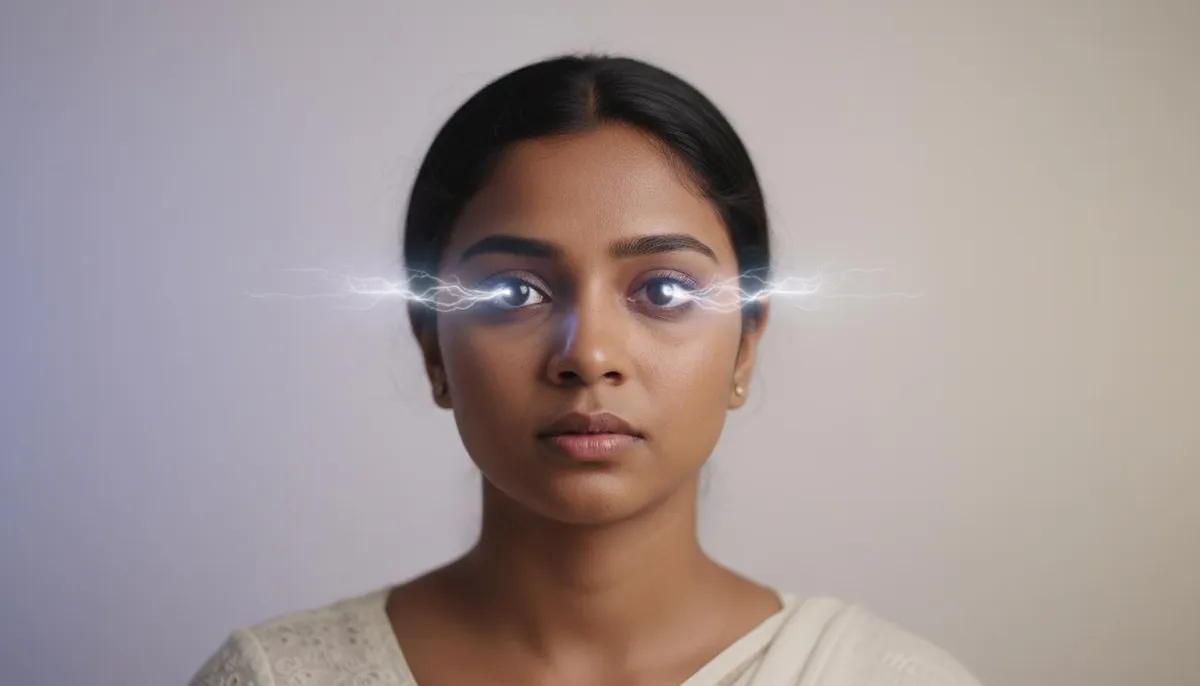
Hello there, and thank you for taking the time to step into our clinic today. Let me guess—have you recently noticed some strange bright spots, sparkles, or streaks of light dancing across your vision even when you are sitting in a completely dark room? It can feel a bit unsettling, can't it? As if someone is turning a flashlight on and off right in front of your face. Pretty surprising the first time it happens, right? Many of us experience this strange visual sensation at some point in our lives, whether we notice them more when first waking up in the morning or when moving our head quickly in a dim room. Let's sit down, grab a comfortable chair, and talk about what might be going on behind the scenes.
In medical terms, we doctors call these visual sensations photopsias. Simply put, photopsias happen when your eyes or brain perceive light signals even though no actual light is entering your eye. Have you ever wondered why this happens or what it means for your long-term eye health? Don't worry—we are going to break this down together so you feel completely informed and confident about what steps to take next.
📌 Key Takeaways
- Photopsias are brief flashes, sparks, or streaks of light that you see inside your eyes without any external light source.
- The most common physical cause is the natural aging process of the jelly-like substance inside your eye pulling gently on your retina.
- While many cases are completely harmless, sudden flashes can sometimes signal a serious medical emergency like a retinal tear or detachment.
- Always consult an eye care specialist—such as an optometrist or ophthalmologist—for a complete dilated eye exam if you notice new or changing flashes.
- Never ignore warning signs like a sudden shadow or dark curtain moving across your field of vision.
What Are Photopsias and Why Do You See Flashes of Light in Your Eyes?
Photopsias refer to perceived flashes of light, sparks, shimmering zigzags, or lightning streaks inside the eye caused by internal stimulation of the retina or visual pathways rather than actual external light. While often harmless due to normal age-related vitreous shifting, they require prompt evaluation to rule out serious retinal tears or detachments.
Just think about it for a second—how does your eye actually "see" light in the first place? Your retina, which is the delicate, light-sensitive tissue lining the back wall of your eye, acts much like the film in a camera or the digital sensor in your smartphone. It captures light rays and converts them into electrical signals that travel along your optic nerve straight to your brain, which translates them into the images you see every single day.
Now, here is the fascinating thing: your retina doesn't actually know the difference between real light coming in from the outside world and a mechanical tug or pull from inside your eye. If something gently rubs, pulls, or stimulates those light-sensing cells—whether it's the natural aging of your eye jelly, a sudden shift in blood flow, or electrical activity in your brain—your retina fires off an electrical signal anyway. Your brain interprets that signal as a flash of light, even if you are sitting in a pitch-black room with your eyes closed tight. Makes sense, right?
What Do These Eye Flashes Look Like?
The light flashes you see can look very different from person to person, and even different from day to day. Most people describe them as bright white or silvery flashes, but you might also notice faint colors, shimmering lines, or tiny sparks. Here are some of the most common ways people experience photopsias:
- Lightning streaks or jagged bolts: Quick, sharp bursts of bright light that flash across your side (peripheral) vision.
- Sparkles or pinpricks of light: Tiny glittering stars or static sparks, often seen when moving your eyes rapidly or blinking in a dim room.
- Shimmering zigzag lines: Waves of shimmering light that slowly expand across your field of vision, which many people experience right before a headache.
- Heat-wave distortions: A shimmering effect similar to hot air rising off a paved summer road.
Sometimes, these flashes happen at the exact same time you notice tiny dark specks, threads, or cobwebs floating across your vision. Doctors call these floating spots eye floaters, and their medical name is myodesopsias. Both flashes and floaters often share the same root cause inside the eye, which brings us to our next big question: why does this happen in the first place?
Why Does This Happen? What Are the Main Causes?
Seeing light flashes on rare occasions can be a normal part of life, especially as your eyes age and change over time. However, these flashes can also serve as an important warning sign of an underlying medical condition. Let's look at the primary reasons why you might experience photopsias:
- Posterior Vitreous Detachment (PVD): This is by far the most common physical cause of eye flashes. As you grow older, the clear, jelly-like fluid filling your eyeball—known medically as the vitreous humor—slowly liquefies and shrinks. As it pulls away from the sensitive retina at the back of your eye, it tugs gently on the tissue. This pulling action triggers your retina to send false light signals to your brain. It's a normal part of aging, but it definitely gives you a surprise when it happens!
- Migraine Headaches (Migraine with Aura): Many people experience flashing lights, shimmering zigzags, or temporary blind spots before a migraine headache even begins. Doctors refer to this specific pattern as a migraine with aura. Interestingly, some people experience these visual flashes without ever getting a headache afterward—a condition known as a silent migraine or ocular migraine.
- Retinal Tear or Detachment: This is the big one we always want to rule out. When that shrinking vitreous jelly pulls away, it can sometimes tug so hard on your retina that it tears the tissue or pulls it completely away from the back wall of your eye. If left untreated, this can cause permanent vision loss. That is why we take any new or sudden flashes so seriously!
- Optic Neuritis: This occurs when the main nerve carrying visual signals from your eye to your brain (the optic nerve) becomes inflamed or swollen. This can cause pain with eye movement along with unusual visual disturbances.
- Eye Trauma and Head Injuries: Direct physical injuries, sharp blows, or sudden blunt force to your eye—or even a concussion or traumatic brain injury—can disrupt how your eyes and brain process visual information, leading to persistent light flashes.
- Retinal Hemorrhage and Vascular Issues: Underlying systemic health conditions like poorly controlled diabetes or high blood pressure (hypertension) can affect the delicate blood vessels inside your eye, sometimes causing minor bleeding or restricted blood flow that triggers visual symptoms.
| Condition / Symptom Type | Clinical Explanation & What You Should Do |
|---|---|
| Posterior Vitreous Detachment (PVD) | Normal age-related shrinking of eye gel tugging on the retina. Produces brief flashes and floaters. Action: Schedule a routine dilated eye exam with your optometrist or ophthalmologist to confirm the retina is healthy. |
| Migraine with Aura | Temporary neurological electrical wave passing through the brain's visual cortex. Produces jagged lines or shimmering lights lasting 10 to 30 minutes. Action: Rest in a quiet, dark room; consult your family doctor if migraines are frequent. |
| Retinal Tear or Detachment | Severe mechanical pulling that rips or separates the retinal tissue. Produces a sudden shower of floaters, severe flashes, and a dark shadow/curtain. Action: Medical Emergency! Go to the nearest Hospital Emergency Department (ER / A&E) or call your local emergency number immediately. |
| Optic Neuritis | Inflammation of the optic nerve connecting the eye to the brain. Causes pain with eye movement and flashes. Action: See your primary care physician or eye specialist promptly for neurological evaluation. |
How Do You and Your Doctor Diagnose and Treat Photopsias?
When you come into our clinic or visit an eye doctor, how do we figure out what is causing your light flashes? We start with a detailed conversation about your symptoms, followed by a thorough physical examination of your eyes. Your eye doctor will typically use special dilating eye drops to widen your pupils. While the drops make your vision blurry for a few hours, they allow your doctor to look through a special microscope and lens to inspect every single square millimeter of your retina.
If your eye exam shows a simple posterior vitreous detachment or a migraine aura, treatment is usually reassuring observation or managing your underlying migraines. However, if your doctor spots a small retinal tear during your exam, they can often treat it right in the clinic using a quick, painless laser procedure (laser photocoagulation) or freezing therapy (cryotherapy) to seal the tissue down before it can develop into a full detachment. Pretty amazing what modern medicine can do, right?
Questions Your Doctor Might Ask You
When you visit a doctor to discuss your eye flashes, we will ask you several detailed questions to help narrow down the cause. Preparing for these questions in advance can help you give clear, accurate information:
- When did you first notice these light flashes starting?
- What do the flashes look like? Are they lightning bolts, sparks, shimmering zigzags, or faint colors?
- How often do these flashes happen? Do they occur multiple times a day, or just occasionally?
- Have you ever had previous eye surgeries, such as cataract surgery?
- Have you experienced any recent physical injuries, blows to your head, or sports accidents?
- Do you feel as though a dark curtain, veil, or shadow is moving across your field of vision?
- Do you notice any sudden new dark spots, webs, or floaters drifting in your vision?
- Do you have any underlying medical conditions such as diabetes, high blood pressure, or frequent headaches?
✔️ Do's and ❌ Don'ts
- DO schedule an urgent dilated eye exam with your optometrist or ophthalmologist if you notice brand-new or rapidly increasing flashes.
- DO keep your blood pressure and blood sugar levels well-controlled if you have hypertension or diabetes.
- DO wear protective safety eyewear when playing contact sports, doing home renovations, or working with industrial tools.
- DON'T rub your eyes aggressively if you feel irritation or see flashes, as physical pressure can worsen retinal stress.
- DON'T wait and hope sudden vision changes or dark curtains will disappear on their own—time is critical when protecting your sight.
What Can You Do at Home? Can You Prevent It?
In many cases, harmless photopsias linked to normal aging require no special home treatment. However, you should never try to diagnose yourself or guess the cause on your own. Always let a qualified eye doctor examine your eyes first to make sure everything is safe.
While you cannot completely prevent natural age-related changes inside your eyes, you can adopt healthy lifestyle habits to protect your overall eye health and lower your risks. Try incorporating nutrient-packed foods like leafy greens (spinach, kale), colorful berries, whole-grain toast, and healthy fats (such as those found in olive oil and salmon) into your daily meals. Stay well-hydrated throughout the day, wear UV-blocking sunglasses when stepping outside into bright sunlight, and quit smoking if you currently use tobacco products, as smoking significantly harms the delicate blood vessels in your eyes.
🚨 When to Seek Emergency Care (Red Flags)
If you notice any of these warning signs, don't wait—call your local emergency number right away (911 in the US/Canada, 999 in the UK, 112 in Europe, or 000 in Australia) or go to the nearest hospital Emergency Department (ER / A&E):
- A sudden, dramatic increase in the frequency or brightness of light flashes you see.
- A sudden eruption of numerous new dark floating spots, webs, or specks in your field of vision (often described as a "shower" of floaters).
- The sensation that a dark curtain, veil, or shadow is sliding across a portion of your upper, lower, or side vision.
- A sudden, severe decrease in your ability to see clearly or a total loss of vision in one eye.
- Severe, intense pain inside or around your eye accompanied by redness and blurred vision.
💡 Take-Home Message
- Seeing occasional flashes of light is very common and often harmless, but it should never be automatically brushed aside without a professional check.
- Understanding the difference between a normal vitreous shift and an emergency retinal tear can save your sight.
- Your primary care doctor, local optometrist, and ophthalmologist are your best partners in keeping your vision crystal clear for years to come.





No comments yet. Be the first to share your question or experience below.