

Picture this: you are resting at home when a sudden, sharp pain strikes your lower left chest. The pain feels like a knife stabbing into your ribs, and every time you try to take a deep breath, it gets worse. Naturally, your mind races, and you wonder if you are having a heart attack. This scary experience happens to many people who develop a condition called pleurodynia.
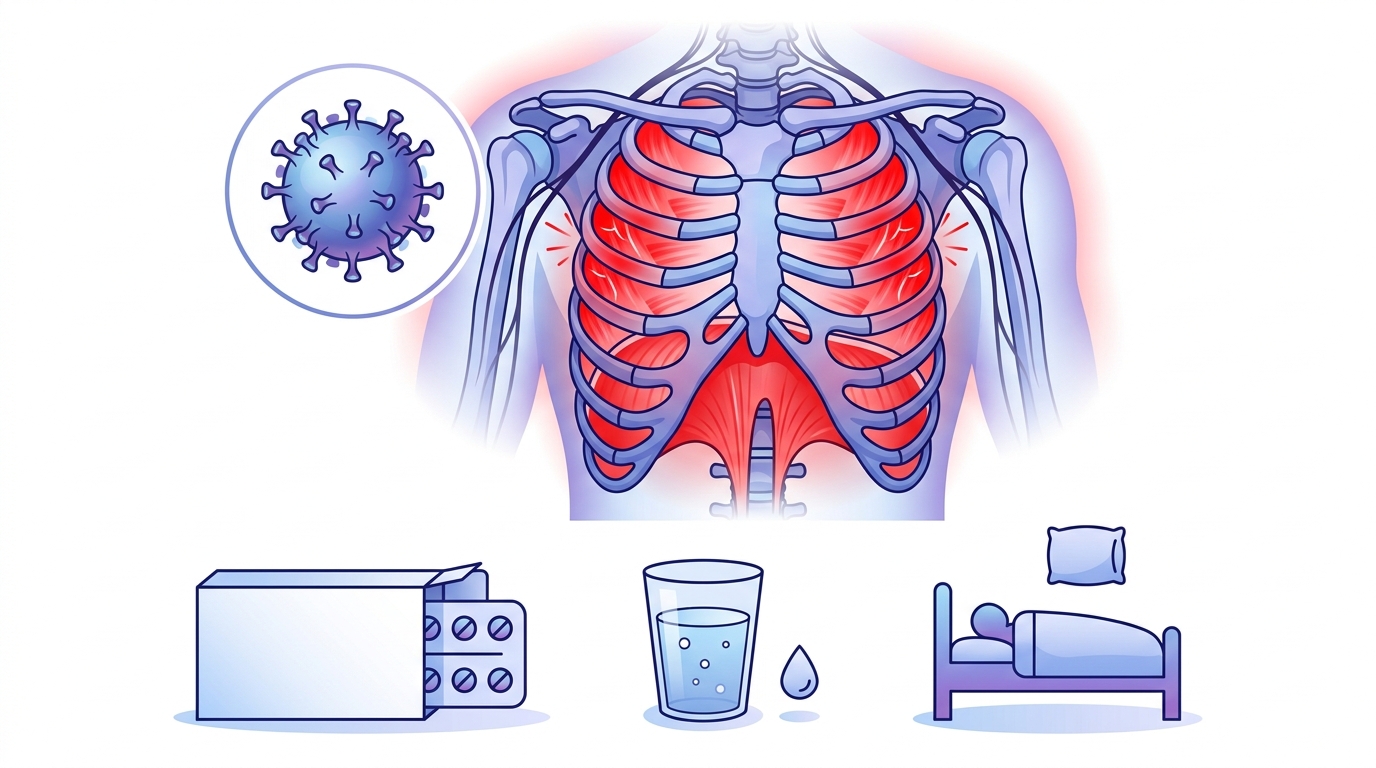
Chest pain is always alarming because we right away associate it with heart problems. However, not all sharp chest pain originates in the heart. Sometimes, a common virus attacks the small muscles between your ribs, causing intense aches. Understanding what causes this condition helps you stay calm and seek the right medical care quickly.
In this complete guide, we will explore everything you need to know about pleurodynia in simple, clear language. We will look at how it starts, what symptoms to watch for, and how you can manage recovery safely at home. Let us dive into the details so you can protect your health and peace of mind.
Key Takeaways About Pleurodynia.
- Pleurodynia is a viral infection caused most often by the Coxsackie B virus.
- It causes sudden, sharp chest or upper stomach pain that worsens when breathing deeply.
- The condition is usually temporary and gets better on its own within a few days.
- Always see a doctor to rule out serious heart or lung issues before assuming it is muscle pain.
- Simple rest, hydration, and anti-inflammatory medicine help manage your recovery at home.
What Is Pleurodynia?
Pleurodynia is also known as Bornholm disease or the devil's grip. It is a viral infection that targets specific muscle groups in your chest wall and upper belly. The main culprit behind this illness is a group of viruses called enteroviruses, specifically the Coxsackievirus group B.
When these viruses enter your body, they travel through your bloodstream and settle in your muscles. Specifically, they inflame the intercostal muscles located between your ribs and your diaphragm. Your diaphragm is the large dome-shaped muscle under your lungs that helps you breathe in and out.
Because these muscles move every time you breathe, cough, or twist your body, the inflammation causes sharp pain. Medical experts call this pleuritic chest pain. While the condition can sound frightening, it is generally harmless and goes away without leaving any lasting damage to your body.
Symptoms (Check If You Have It).
Recognizing the signs of pleurodynia helps you understand what is happening inside your body. The symptoms often start suddenly and can catch you completely off guard. Here are the most common signs to watch for:
- Sharp, stabbing pain in your lower chest or upper stomach that comes in sudden waves.
- Pain that intensifies greatly when you take a deep breath, cough, sneeze, or laugh.
- Associated viral symptoms such as a mild fever, headache, sore throat, and general body aches.
- Extreme tenderness when someone presses lightly on the muscles between your ribs.
- Feeling winded or anxious because taking a full breath hurts your chest wall.
These symptoms can mimic other medical issues, which is why a professional evaluation is so important. If you experience these signs, do not try to diagnose yourself at home. Let a medical professional examine you to ensure your heart and lungs are healthy.
Self-Care and Safety.
Managing pleurodynia at home requires patience, rest, and careful monitoring of your symptoms. Because your chest muscles need to heal, you must take steps to support your body's natural recovery process. Here is how you can care for yourself safely:
- Get a professional checkup first: Never assume sharp chest pain is just muscle soreness. A doctor must rule out serious heart or lung conditions before you treat it at home.
- Rest your body: Avoid strenuous physical activity, heavy lifting, or intense workouts while your chest muscles are inflamed and healing.
- Stay hydrated: Drink plenty of water, clear broths, and electrolyte solutions throughout the day to keep your body well-hydrated.
- Take anti-inflammatory medicine: Use over-the-counter pain relievers like ibuprofen as recommended by your doctor to reduce muscle inflammation and ease discomfort.
- Apply gentle warmth: A warm heating pad placed gently on the sore chest area can help relax tight, painful intercostal muscles.
When Should You See a Doctor?
Knowing when to seek professional medical help is critical whenever you experience chest discomfort. Never ignore new or worsening symptoms in your chest or upper stomach area.
See Your Doctor For:.
- Any sudden, sharp muscle pain in your chest or upper abdomen that makes breathing uncomfortable.
- Fever and body aches that accompany your chest wall soreness and do not improve after a day of rest.
- Persistent muscle tenderness between your ribs that interferes with your daily activities and sleep.
Warning Signs Requiring Emergency Care:.
If you experience any of the following severe symptoms, call 911 (US/Canada), 999 (UK), or go to the nearest emergency room right away:
- Sudden crushing chest pain combined with severe shortness of breath or trouble catching your breath.
- Pain that spreads outward to your left arm, shoulder, neck, jaw, or upper back.
- Sudden heavy sweating, pale skin, dizziness, lightheadedness, or fainting spells.
- A feeling of impending doom, confusion, or a rapid, irregular heartbeat.
| Condition Aspect. | Pleurodynia (Bornholm Disease). | Heart Attack (Myocardial Infarction). |
|---|---|---|
| Primary Cause. | Viral infection (Coxsackievirus B). | Blocked coronary artery to the heart. |
| Pain typical. | Sharp, stabbing, worsens with deep breath. | Pressure, squeezing, heavy weight on chest. |
| Associated Signs. | Fever, sore throat, rib wall tenderness. | Cold sweat, nausea, arm or jaw pain. |
| Typical Recovery. | Resolves fully in a few days. | Requires urgent hospital intervention. |
Diagnosis and Treatment.
Diagnosing pleurodynia involves a careful medical evaluation to rule out dangerous conditions. Because chest pain can signal heart or lung emergencies, your doctor will perform specific tests before confirming muscle inflammation.
- Clinical physical exam: Your doctor will gently press on your rib cage to check for localized muscle tenderness and check your breathing sounds.
- Electrocardiogram (ECG): This quick, painless test records your heart's electrical signals to prove your heart function is completely normal.
- Chest X-ray (CXR): An imaging scan that looks at your lungs and chest cavity to rule out pneumonia, fluid buildup, or collapsed lung tissue.
- Blood tests: Lab tests like troponin check for heart muscle injury to ensure you are not having a cardiac event.
Treatment focuses entirely on managing your symptoms while your immune system clears the virus naturally. Because it is a viral infection, antibiotics will not help cure it. Standard treatment approaches include:
- Nonsteroidal anti-inflammatory drugs (NSAIDs): medicines like ibuprofen help decrease muscle swelling and relieve sharp breathing pain.
- Good hygiene practices: Wash your hands often with soap and water to prevent spreading enteroviruses to family members and friends.
- Respiratory rest: Take calm, steady breaths and avoid sudden twisting movements until your rib muscles heal completely.
A Note from Nirogi Lanka.
having sharp chest pain when you breathe can be very unsettling. However, remember that pleurodynia is a benign viral condition. It does not cause permanent damage to your heart or lungs, and most people recover fully within a few days with simple rest and care.


💬 Comments (0)
No comments yet. Be the first to share your thoughts here.
Add Your Comment