
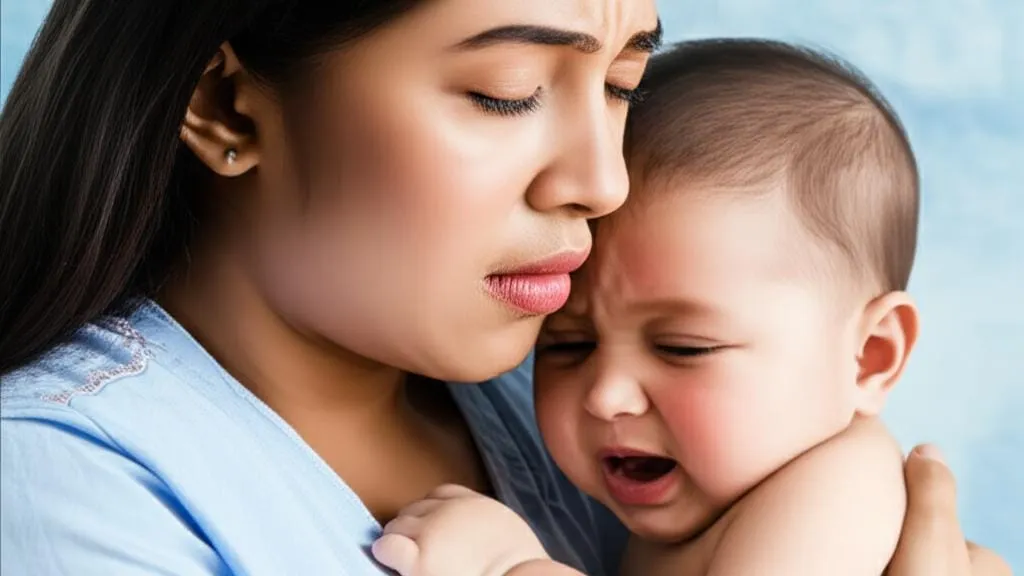
Do you notice your little baby often catching colds with a chest full of mucus? Or perhaps your elderly mother or father has a stubborn cough and trouble breathing. These scary health problems are sometimes signs of a serious lung illness called pneumonia. But you do not need to panic. There is a very successful and safe way to protect your beloved children and older family members from these dangerous illnesses. That important shield is the pneumococcal vaccine.
Today, we will explore everything you need to know about this life-saving medicine. We will look at what the vaccine does, the dangerous diseases it prevents, who should get it, and what side effects to expect. By understanding how vaccines protect your body, you can make the best health choices for your family.
Key Takeaways: Pneumococcal Vaccine
- The pneumococcal vaccine protects you against dangerous bacterial infections like pneumonia and meningitis.
- It is strongly recommended for babies starting at two months old and for all adults aged 50 and older.
- People with chronic health conditions like diabetes or heart disease need this protection regardless of age.
- Side effects are usually mild, such as slight arm soreness or a low fever, and go away in two days.
- Global health organizations like the WHO, CDC, and NHS fully support and recommend this safe vaccine.
Generate a personalized childhood vaccination schedule from your baby's date of birth (BCG, Pentavalent, OPV, fIPV, MMR, JE, DTP & HPV milestones).
What is the Pneumococcal Vaccine?
Simply put, this vaccine acts as a protective shield for your body. The vaccine protects you from a harmful type of bacteria called Streptococcus pneumoniae. Doctors and scientists often shorten this long name and call the germ the pneumococcus bacterium.
When this bacteria enters your body, it can cause severe health problems. Young children and older adults face the highest risk because their immune systems are weaker. The bacteria can trigger severe breathing problems and other dangerous medical complications.
Medical experts created special shots to train your body to fight these germs. These shots are known as conjugate vaccines. Conjugate means the vaccine is specially designed to boost your body's natural defense system so it can create strong antibodies.
There are several main types of pneumococcal conjugate vaccines available today. The most common versions include PCV13, PCV15, PCV20, and PCV21. The numbers in these vaccine names tell you how many different strains of the pneumococcus bacteria the shot protects against.
In addition to these conjugate options, doctors also use an older vaccine called PPSV23. This older version is typically given to children over two years old who have certain health risks, and to adults who already received PCV15.
What Diseases Does Pneumococcal Disease Cause?
When the pneumococcus bacterium enters your body, it can cause many different serious illnesses. Some people carry this bacteria in their throats without showing any signs of sickness. However, even without symptoms, those people can spread the germs to others through tiny droplets when they cough, sneeze, or talk.
The pneumococcal vaccine protects your body against several severe and life-threatening medical conditions. Let us look at these major illnesses in detail.
| Disease Name | Simple Explanation of the Illness |
|---|---|
| Bacterial Meningitis | An infection of the protective membranes covering your brain and spinal cord. It can cause confusion, coma, permanent brain damage, blindness, paralysis, or death. |
| Pneumonia | A dangerous infection in your lungs that fills air sacs with fluid or pus. This causes persistent coughing, high fever, chest pain, and severe breathing difficulty. |
| Middle Ear Infections (Otitis Media) | Painful swelling and fluid buildup behind the eardrum. It causes severe ear pain, fever, trouble sleeping, and frequent crying in young babies. |
| Bacteremia | A serious condition where bacteria enter your bloodstream and spread rapidly throughout your entire body, leading to dangerous systemic inflammation. |
| Sinus Infections | Painful inflammation and fluid blockage inside the air cavities located within your facial bones around your nose and eyes. |
Think about this: before doctors introduced this vaccine, countless children under age five tragically died from pneumonia worldwide. After health authorities started using this vaccine around the year 2000, the spread of these severe illnesses dropped dramatically among both children and adults.
Are These Vaccines Really Safe? Do They Have Side Effects?
Yes, absolutely. Both the conjugate vaccines (PCV) and the polysaccharide vaccines (PPSV) are extremely safe. Just like any medicine, there is a very tiny chance of having an allergic reaction. However, the risk of having serious harm or a severe reaction is exceptionally low.
Most side effects are mild and go away quickly on their own. Let us look at what you can expect after getting vaccinated.
For babies and young children receiving the PCV vaccine, common mild side effects include:
- Redness, slight tenderness, or swelling right where the doctor gave the shot.
- A mild, low-grade fever occurring in about one out of every three babies.
- A slightly higher fever occurring in about one out of every fifty babies.
- Temporary loss of appetite, fussiness, crying, or mild sleepiness for a day.
For older children and adults receiving the PPSV or PCV vaccines, common reactions include:
- Mild pain, redness, or soreness at the injection site in about half of all people.
- A mild fever or muscle aches in less than one percent of adults.
The most important thing to remember is that these side effects are very mild. They almost always disappear completely within two days without needing any special medical treatment.
Who Should Get This Vaccine and When?
Knowing who needs this vaccine and when to take it is essential for protecting your health. Let us review the recommended vaccination schedules for different age groups and health situations.
Babies and Young Children
Medical experts recommend that every baby under two years old receive a series of four doses. Doctors follow this specific schedule:
- First Dose: Given when the baby reaches two months of age.
- Second Dose: Given when the baby reaches four months of age.
- Third Dose: Given when the baby reaches six months of age.
- Booster Dose: Given between twelve and fifteen months of age.
If your child misses one of these scheduled appointments, do not worry. Talk to your family doctor right away. Your doctor will create a catch-up schedule based on your child's exact age.
Children Ages 2 to 18
Some older children did not receive the complete vaccine series when they were babies. Other children have specific medical conditions, such as chronic kidney disease or weak immune systems. These children can still receive catch-up doses. Your pediatrician will choose the correct vaccine type and schedule for your child.
Adults
Every healthy adult aged 50 and older should discuss this vaccine with their doctor. Adults can receive protection through one of several approved options:
- One single dose of the PCV15 vaccine, followed one year later by one dose of the PPSV23 vaccine.
- One single dose of the modern PCV20 vaccine.
- One single dose of the modern PCV21 vaccine.
People with Special Health Risks
Adults aged 18 to 49 who have health conditions that weaken their immune systems need special attention. This includes people living with diabetes, heart disease, lung conditions, cancer, or HIV/AIDS. People taking regular medicines like steroids or chemotherapy also fall into this high-risk group.
If you belong to one of these groups, you should receive the vaccine just like older adults. Your doctor will help you choose the best option to keep your immune system strong against dangerous bacteria.
You might think, 'I am over 50 years old and feel completely healthy, so do I really need this?' The answer is yes. Medical research proves that adults between 50 and 64 face the second-highest risk of catching severe pneumococcal disease.
If you are over 50, or if you live with a chronic illness like diabetes, asthma, or heart disease, you should talk to your doctor right away. Getting this vaccine gives your body a vital layer of protection. Remember that severe pneumonia and related infections cause a high number of hospitalizations and deaths among older adults every year.
When to See a Doctor / Emergency Red Flags
Most vaccine reactions are mild. However, if you or your child experience severe symptoms after an illness or vaccination, seek medical help right away. Call 911 (US/Canada) or 999 (UK), or go to your nearest Emergency Department (ER or A&E) if you notice:
- Severe trouble breathing, wheezing, or shortness of breath.
- Sudden swelling of the face, lips, tongue, or throat.
- High fever that does not go down with children's fever medicine.
- Extreme drowsiness, confusion, or difficulty waking up.
- A stiff neck, severe headache, or unusual sensitivity to bright lights.
💡 Take-Home Message
Protecting your respiratory health is one of the best investments you can make in your long-term wellbeing. Here are the core points to remember from our guide:
- The pneumococcal vaccine serves as a vital shield against dangerous bacterial illnesses like pneumonia and meningitis.
- Health authorities strongly recommend this vaccine for babies starting at two months old and for all adults aged 50 and older.
- Anyone with chronic medical issues like diabetes, heart disease, kidney problems, or cancer needs this vaccine regardless of age.
- Side effects are generally very mild and disappear within one or two days.
- If you have any questions about scheduling this vaccine for yourself or your child, talk to your family doctor today.






No comments yet. Be the first to share your question or experience below.