

When you're running at the gym, riding a bike, or even walking briskly around the garden, you feel tired, right? Some days you'll think, "Wow, I'm really tired today." Other days you'll feel, "Oh, I'm not that tired today." That's the level of exertion you feel, which we're simply going to talk about as `Rate of Perceived Exertion (RPE). Let's take a look at what it is, how it's measured, and who it matters to.
What exactly is RPE?
Simply put, RPE is a measure of how hard and how tired you feel when you do an exercise. This is a very personal thing. That means you don't feel the same fatigue as I do when doing the same exercise. Your RPE is the fatigue you feel.
The concept of RPE was first introduced in the 1960s by a Swedish researcher named Gunnar Borg. That's why it's sometimes called "Borg's rating of perceived exertion." No need for fancy words, let's just call it RPE.
What factors determine RPE?
There are several factors that determine whether an exercise feels "hard" or "easy." The main factors that determine the RPE value are:
- Your breathing rate: How hard you are breathing, whether you are having difficulty breathing, or whether you can breathe normally.
- Your heart rate: The rate at which your chest beats. Is it beating very fast or at a steady pace?
- Muscle fatigue: Do the muscles in your limbs hurt, become numb, or feel too tired to exercise anymore?
- How much you sweat: whether you sweat a lot, a little, or not at all.
All of this combined makes you feel like "I exercised a lot today" or "I didn't exercise enough today."
Who is it important to know about this RPE?
In fact, it's useful for anyone who exercises to be aware of RPE, but for some people it's especially important.
- For people with certain cardiovascular diseases: For example, people with conditions like high blood pressure who take medications that lower their heart rate can use RPE to help them see if they are exercising beyond their limits. Such people should not put too much strain on their bodies.
- For those new to exercise: If you're new to cycling, running, or swimming, RPE can help you understand how much your body can handle.
- For those training for a specific competition: This is important for someone training for a sport like running a marathon, cricket, or football to properly control the intensity of their training.
- For those trying to increase the intensity of their exercise: If you want to increase your body's stamina, or burn more calories, you can look at the RPE to gradually increase the intensity of your exercise.
- For those recovering from an injury or illness: Whether after an accident or major surgery, RPE helps keep the body at the right level without overexerting it.
- For those who have been advised by a doctor to stay in a certain heart rate range: Sometimes your doctor will tell you to keep your heart rate at this level while exercising. It is also important to be aware of RPE at that time.
Imagine you have a friend who has high blood pressure. The doctor has told him to walk a little bit every day, but not to push himself to the point of exhaustion. He can use this RPE method to adjust his walking speed based on how tired he feels.
What methods are there to measure RPE?
There are two main types of RPE scales to measure the intensity, or harshness, of your exercise. Both of these give you a number for how you feel when you exercise.
1. Borg RPE scale (`(Borg RPE scale)`)
This is the first scale introduced by the aforementioned Mr. `(Gunnar Borg). It has numbers from 6 to 20 .
- Number 6 means no effort, like you're sitting in a chair.
- The number 20 is maximum exertion. It means you are so tired that you can't do that exercise even a millimeter longer.
- A value between 12 and 14 is generally considered moderate, meaning it is a moderately difficult, tolerable level of exercise. This is the level most often recommended for a healthy adult.
Imagine, you're walking around the garden, talking to a friend. It might be around 9-11. You're walking a little fast, breathing a little hard, but you can talk. It might be 12-14. You're running, very tired, and can't say a word. It might be around 17-19.
This scale is designed to roughly correlate with your heart rate. For example, if you choose an RPE of 13, your heart rate might be around 130 beats per minute. However, this is not the same for everyone, and varies depending on age and health.
2. Modified Borg CR10 RPE scale (`(Modified Borg CR10 RPE scale)`)
This is a slightly modified version of the previous scale. It has numbers from 0 to 10 .
- The number 0 means no effort, like being at rest.
- The number 10 means maximum, maximum effort. It means using every last drop of energy in the body.
This CR10 scale is often used to determine RPE based on your breathing rate, or shortness of breath.
Now the question is, which of these two scales is better?
It really depends on the nature of your exercise.
- If you're doing cardio exercises, like running, jumping, or cycling, and want to keep an eye on your heart rate, it's best to use the old Borg RPE scale (6-20) .
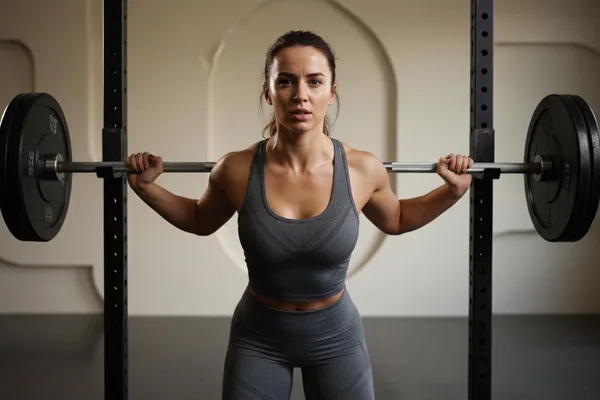
- If you are doing bodybuilding or strength training, such as lifting weights, the new ``Modified Borg CR10 RPE scale`` (0-10) is more suitable.
How to use the RPE scale?
It's very simple. While you're exercising, rate yourself on how you feel. Then choose the number on the appropriate scale (6-20 or 0-10) that best suits you. This will allow you to increase or decrease the intensity of your workout based on your goals.
For example, if your goal is to engage in moderate-intensity exercise (around 12-14 on the Borg RPE scale):
- If you feel that things like your breathing rate and muscle fatigue are very light (like less than 9 on the ``Borg RPE scale''), increase the speed or intensity of your exercise a little.
- If you are breathing very hard, sweating a lot, your heart is beating fast, or your muscles are very sore (like over 17 on the Borg RPE scale), reduce the intensity of your workout a little.
- If you feel exactly as tired as you thought you would, keep up the pace.
The most important thing is to listen to your body, and RPE is just a tool to help you do that.
How do doctors use the RPE scale?
Doctors and health professionals also use the RPE scale to assess the health of your heart and lungs, as well as your overall physical fitness.
For example, have you ever had an ``Exercise stress test''? It involves measuring your heart rate while you exercise on a treadmill or exercise bike. During that time, your doctor may ask you, "How hard are you feeling?" and record your RPE. This can help diagnose some heart conditions.
Healthcare professionals who use the RPE scale include:
- Cardiologists
- Cardiac rehab specialists
- Exercise physiologists
- Physical therapists
- Pulmonologists
- Pulmonary rehab specialists
How accurate is the RPE scale really?
This is a good question. Since RPE is a self-reported measure , sometimes you may not be accurately assessing yourself.
- A person who is new to exercise may feel like they are exerting themselves more than their heart rate or breathing rate indicates. Even a small amount of exertion can feel overwhelming.
- Also, a very fit, regularly exercising athlete may think, "This is normal for me," even when they are at their maximum RPE level.
So this doesn't work?
No. The RPE scale is a good way to get a good idea of physical exertion and effort. Your actual heart rate can vary depending on your age, overall fitness level, and any medications you take.
The important thing is, this is a great, simple way to listen to your body and control the intensity of your workout, even without a tech gadget like a fitness watch.
If you have any concerns about your heart rate or endurance, be sure to talk to your doctor.
The most important thing we want to take home from this story is
Okay, so I hope you now have a good idea about the RPE (Rate of Perceived Exertion) we talked about today.
- RPE is a simple way to measure how hard you feel when you exercise. It doesn't require any fancy equipment, it's just how you feel that matters.
- This allows you to improve your exercise program, maintain it at the same level, or even tone it down a bit if necessary.
- Your doctor may also tell you to use this RPE scale, especially if you have heart disease or respiratory problems.
- Both the Borg RPE scale (6-20) and the Modified Borg CR10 RPE scale (0-10) are generally accurate ways to help you assess how hard your body is working. Choose the scale that best suits your needs.
So, next time you exercise, listen to your body. How do you feel? The RPE will guide you!
` Exercise, fatigue, RPE, Borg scale, heart rate, fitness, health




💬 Comments (0)
No comments yet. Be the first to share your thoughts here.
Add Your Comment