
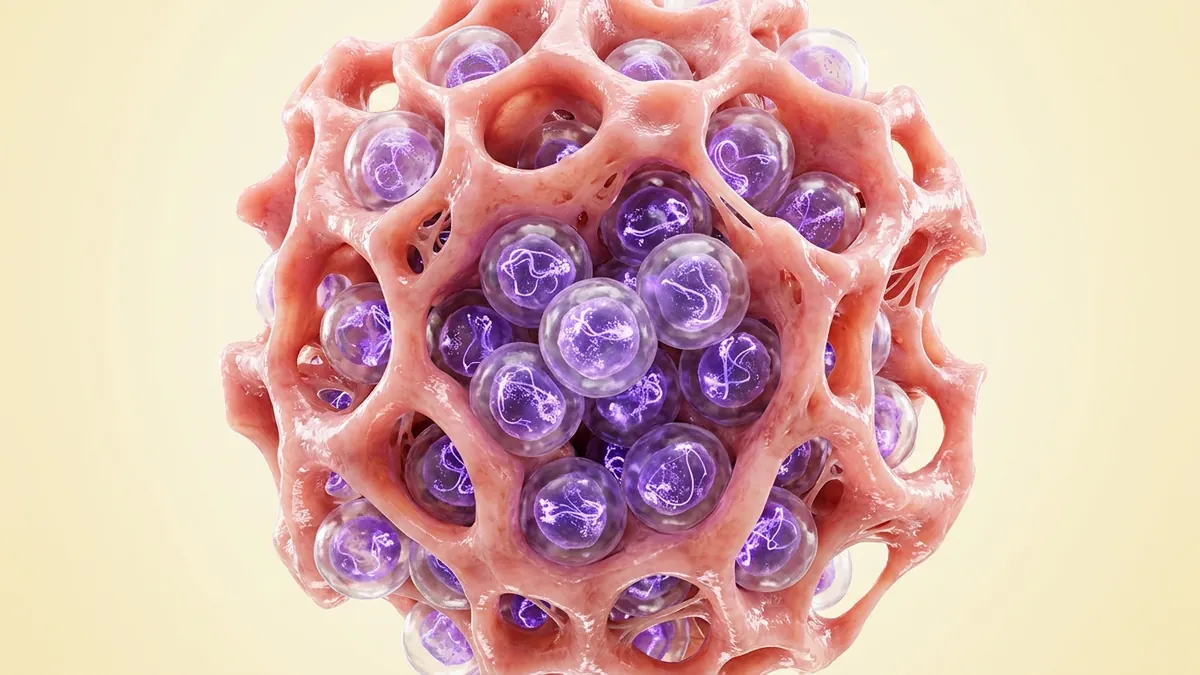
When your leukemia specialist brings up a targeted tablet — and you find yourself searching for a clear Revuforj (Revumenib) Oral Menin Inhibitor for Relapsed KMT2A-Rearranged Acute Leukemia: QTc & Differentiation Watch guide — it is completely natural to feel a mix of real hope and quiet anxiety. For decades, having acute leukemia return after treatment or stubbornly resist standard chemotherapy left patients with exhausting hospital stays and very few targeted options. Having an oral medication you can swallow at home feels like a breath of fresh air, doesn't it?
At the same time, just because a cancer medicine comes in a tablet bottle rather than an intravenous drip does not mean it is gentle or hands-off. Think about it for a second: any medicine powerful enough to unlock trapped leukemia cells inside your bone marrow also asks your heart and immune system to adjust quickly. That is why we doctors — both in your specialist hematology clinic and at your local Primary Care Physician (PCP) or family GP surgery — team up with you to watch two vital safety signals very closely.
Let's sit down together and walk through everything in plain, everyday English. We will look at how revumenib works inside your cells, why your daily antifungal pill or breakfast toast can change how your body absorbs it, and exactly which symptoms mean you need urgent medical help right away.
📌 Key Takeaways at a Glance
- First-in-Class Targeted Therapy: Revuforj (revumenib) is the first oral menin inhibitor approved for adults and children aged 1 year and older with relapsed or refractory acute leukemia carrying a KMT2A gene translocation.
- Unlocks Trapped Blood Cells: Instead of acting like traditional cell-killing chemotherapy, it blocks the menin-KMT2A protein bond so stuck, immature leukemia cells can finally mature and clear naturally.
- Strict Dosing & Food Rules: You take it twice daily either fasting or with a low-fat meal (under 400 calories and less than 25% fat), and your dose drops nearly in half if you take strong CYP3A4 antifungal medicines like posaconazole or voriconazole.
- Differentiation Syndrome Watch: Rapidly maturing white blood cells can trigger sudden fever, weight gain, fluid buildup, or shortness of breath — a treatable medical emergency requiring prompt intravenous steroid medicine.
- Heart Rhythm (QTc) Monitoring: Regular heart rhythm tracings (ECGs) and blood tests for potassium and magnesium keep your heart's electrical recharging time safely below critical cutoffs.
What Is Revuforj (Revumenib) Oral Menin Inhibitor for Relapsed KMT2A-Rearranged Acute Leukemia, and How Does It Work?
Revuforj (revumenib) is a first-in-class targeted oral menin inhibitor approved for adults and children aged one year and older with relapsed or refractory acute leukemia carrying a KMT2A gene translocation. Taken twice daily, it unlocks trapped immature leukemia cells while requiring close heart rhythm (QTc) and differentiation syndrome monitoring.
Have you ever wondered why some types of acute leukemia bounce back even after tough rounds of chemotherapy? Look closely at what happens inside the bone marrow when a KMT2A gene rearrangement — which older medical reports sometimes call an MLL rearrangement — is present. Normally, your bone marrow acts like a busy nursery that raises baby stem cells into mature, helpful red blood cells, platelets, and infection-fighting white blood cells.
In KMT2A-rearranged leukemia, a piece of chromosome 11 breaks off and fuses with another chromosome. That genetic mix-up creates an abnormal fusion protein that latches tightly onto a normal cellular helper protein called menin. Together, this menin-KMT2A pair flips on rogue growth switches (specifically genes called HOXA and MEIS1) that freeze young white blood cells — known as immature blood cells (leukemic blasts) — in an endless loop of dividing without ever growing up. Pretty frustrating when your own bone marrow gets stuck on repeat, right?
Revumenib slips directly into the binding pocket on the menin protein, acting like a safety cover over an electrical outlet so the abnormal KMT2A protein can no longer plug in. Once that bond breaks, those rogue switches turn off, and the trapped blasts finally mature into normal-acting cells that finish their natural life cycle and die off. Because KMT2A translocations appear across acute myeloid leukemia (AML), acute lymphoblastic leukemia (ALL), and mixed-phenotype acute leukemia (MPAL), your hematology specialist confirms this exact translocation using specialized bone marrow genetics before prescribing Revuforj. Researchers also study menin inhibitors in NPM1-mutated AML, which uses a remarkably similar menin pathway, though your oncology team will always verify your specific genetic subtype first.
How Do You Take Revuforj Safely? Dosing Schedules, Low-Fat Meal Rules & CYP3A4 Drug Interactions
When you bring Revuforj home from the specialty pharmacy, getting the daily routine right makes a huge difference in keeping drug levels steady and safe. Before you even swallow your first tablet, your hematology team checks your white blood cell (WBC) count and makes sure it sits below 25 × 10⁹/L (25,000 cells/mcL), often using a gentle cytoreductive capsule like hydroxyurea first so your bloodstream isn't overcrowded.
Have you ever noticed how some prescriptions barely care what else is in your medicine cabinet, while others are super sensitive? Revumenib is broken down in your liver by an enzyme system called CYP3A4. Many patients with acute leukemia take strong CYP3A4-blocking antifungal tablets — such as posaconazole, voriconazole, or itraconazole — or certain antibiotics like clarithromycin to prevent serious infections. Because those medicines slow down how fast your liver clears revumenib, taking a standard dose alongside them would cause revumenib levels in your blood to skyrocket! Makes sense why your doctors adjust the strength, doesn't it?
- Standard Dose WITHOUT a Strong CYP3A4 Inhibitor (Weight 40 kg / 88 lbs or more): Typically 270 mg orally twice daily, spaced roughly 12 hours apart. (For children and smaller patients under 40 kg, your specialist calculates the exact dose by body surface area at 160 mg/m² twice daily.)
- Reduced Dose WITH a Strong CYP3A4 Inhibitor (Weight 40 kg / 88 lbs or more): Dropped to 160 mg orally twice daily (or 95 mg/m² twice daily if under 40 kg). Never stop or start an antifungal pill without telling your leukemia clinic immediately!
- Drugs & Supplements to Strictly Avoid: Strong or moderate CYP3A4 inducers — including rifampin, carbamazepine, phenytoin, and herbal St. John's wort — flush revumenib out of your system far too fast and make the treatment fail.
Food timing matters just as much. You should take Revuforj either on an empty stomach (fasting) or with a low-fat meal — meaning under roughly 400 calories and less than 25% fat. Think of a simple bowl of plain oatmeal or porridge, two slices of toast with jam, a banana with low-fat yogurt, or steamed rice with plain grilled chicken breast, rather than bacon, buttered pastries, or a greasy takeaway breakfast. Swallow the tablets whole at the same times every morning and evening. If swallowing tablets is tough, they can be crushed and stirred into water following your pharmacist's exact instructions and taken within two hours. Missed a dose? Take it right away if you are within 6 hours of your usual time, as long as your next scheduled dose is still at least 12 hours away — never double up!
Why Does Revuforj Require a Strict QTc & Differentiation Watch? Stepwise ECG Cutoffs and Early Warning Signs
Remember how we talked at the very beginning about the two crucial safety watches built right into this treatment? Let's unpack both of them clearly so you never feel caught off guard when your specialist schedules extra blood draws or heart checks.
1. The Differentiation Syndrome Watch (Boxed Warning)
What do you think happens when millions of stuck leukemia cells suddenly wake up and mature into active white blood cells all at once? They release a rush of chemical messengers called cytokines into your bloodstream. We doctors call this rapid inflammatory reaction differentiation syndrome, and it occurs in roughly 1 out of every 3 to 4 patients taking revumenib. It can show up as early as Day 3 of treatment or even weeks to months later.
Ironically, differentiation syndrome is caused by the medicine actively unlocking leukemia cells — yet left untreated, fluid leaks out of blood vessels into your lungs, around your heart, and into your tissues, which can quickly become life-threatening. Early warning clues include a sudden unexplained fever of 38.0°C (100.4°F) or higher, gaining more than 2 kg (4 to 5 lbs) in just a couple of days, new shortness of breath or a dry cough, swelling in your ankles or hands, dizziness from low blood pressure, or decreased urination. When caught right away, hospital doctors treat it rapidly with intravenous steroid medicine — typically dexamethasone 10 mg IV every 12 hours in adults — often alongside hydroxyurea, and in many cases you don't even have to pause Revuforj unless symptoms stay stubborn beyond 48 hours!
2. The Heart Rhythm (QTc Interval) Watch
Every time your heart beats, its muscle cells electrically recharge for the next beat. On a standard heart rhythm tracing (electrocardiogram, or ECG/EKG), we measure that recharging window as the corrected QT interval (QTcF). Revumenib can stretch that recharging window out by a few milliseconds — especially if your blood potassium or magnesium runs low from nausea or diarrhea, or if you also take anti-nausea pills like ondansetron or azole antifungals.
- Before Day 1: Your specialist checks a baseline ECG and blood electrolytes. Revuforj is not started until your baseline QTcF is 450 milliseconds (msec) or less, and potassium and magnesium levels are topped up into a healthy mid-normal range.
- Routine ECG Schedule: You will have an ECG before starting, at least once a week for the first 4 weeks, and at least once a month thereafter.
- Action Cutoffs: If your QTcF climbs between 481 and 500 msec, your team temporarily holds Revuforj, replenishes electrolytes, and restarts once it drops back under 480 msec. If it rises above 500 msec, the drug is held immediately and restarted at a lower stepped-down dose once safe — or stopped permanently if serious heart rhythm symptoms occur.
How Can You Tell Common Side Effects Apart From Urgent Complications? Practical 2-Column Comparison Guide
When you are recovering at home between clinic appointments, a mild tummy ache feels very different from a medical alert — if you know what to look for. We rarely stop to think about sorting symptoms beforehand, do we? Use this straightforward two-column guide alongside your oncology team's instructions so you always know your exact next step.
| Symptom, Lab Finding, or Treatment Situation | What It Means in Your Body & What You Should Do |
|---|---|
| Unexplained Fever (≥38.0°C / 100.4°F), Rapid Weight Gain, or Shortness of Breath | These are hallmark early signs of differentiation syndrome (rapid cytokine inflammation from maturing white blood cells) or neutropenic infection, both of which can escalate within hours. What you should do: Contact your 24-hour hematology-oncology triage line immediately or go straight to the nearest hospital Emergency Room (ER / A&E), and tell the triage nurse right away that you take Revuforj and may need urgent IV dexamethasone. |
| Dizziness, Lightheadedness, Fainting, or Racing / Fluttering Heartbeats | These sensations can signal QTc interval prolongation on your heart rhythm or low blood electrolytes (especially low potassium or magnesium). What you should do: Sit or lie down safely, do not take your next tablet until evaluated, and seek urgent same-day medical evaluation or call emergency services for an immediate ECG and blood electrolyte check. |
| Mild Nausea, Loose Stools, or Reduced Appetite | Digestive upset is a common everyday side effect of oral menin inhibition, though ongoing vomiting or diarrhea can quietly drain your body's potassium and magnesium. What you should do: Sip clear fluids, electrolyte drinks, or light broth throughout the day, stick to bland low-fat meals, and call your PCP/GP or oncology clinic before taking over-the-counter or prescription anti-nausea pills so we verify they won't stretch your QTc interval. |
| Starting or Stopping an Antifungal or Antibiotic Prescription | Strong CYP3A4 inhibitors (like posaconazole, voriconazole, or clarithromycin) nearly double revumenib levels in your blood unless your tablet strength is adjusted. What you should do: Show every doctor — including your family GP, dentist, or local Urgent Care clinician — your medication list before filling any new prescription so your oncology pharmacist can adjust your Revuforj dose safely. |
| Mild Ankle Puffiness, Muscle Aches, or Tiredness | Gentle fatigue and joint or bone aches often reflect bone marrow recovery, whereas fast-spreading leg swelling can be an early fluid shift. What you should do: Weigh yourself every morning before breakfast on the same scale, keep a simple symptom notebook, and phone your leukemia care team the same day if you gain more than 1.5 to 2 kg (3 to 4 lbs) in a few days. |
How Can You Protect Yourself Day-to-Day at Home While Taking Revuforj?
See? Once you understand the "why" behind those weekly ECGs and blood tests, home care starts feeling far more manageable. While your hospital hematologist steers your leukemia treatment — and often uses Revuforj remission as a vital bridge toward a curative bone marrow or stem cell transplant (hematopoietic stem cell transplantation) — we doctors in your local Primary Care Physician (PCP) or family GP clinic love helping keep your day-to-day health steady.
Start a simple two-minute morning habit: check your temperature before drinking hot tea or coffee, step onto your bathroom scale in light clothing, and jot both numbers down on your phone or kitchen calendar. Keep potassium- and magnesium-friendly low-fat snacks at home (unless your specialist restricts potassium for kidney reasons), such as bananas, baked potatoes without heavy butter, plain oats, and plenty of water or oral rehydration sips.
Carry the Patient Wallet Card that comes inside every Revuforj box right behind your driver's license or health card. Why? Because if you walk into a local Urgent Care center or a smaller community hospital ER with a cough and fever, handing that card over immediately alerts the emergency physician to think "differentiation syndrome — start steroids early" instead of treating it like ordinary pneumonia! Finally, because revumenib can harm a developing baby, women who could become pregnant and men with female partners of childbearing potential must use effective contraception during treatment and for 4 months after the final dose, and breastfeeding should be paused during therapy and for 1 week afterward.
✔️ What You Should Do & ❌ What to Avoid
- ✔️ DO keep every weekly and monthly ECG and lab appointment: Catching a drifting QTc number or slightly low magnesium on a routine Tuesday blood draw prevents heart rhythm emergencies altogether.
- ✔️ DO pair doses with fasting or a genuine low-fat meal: Keep meal fat under 25% and calories under 400 around dosing times so revumenib absorbs smoothly and predictably.
- ✔️ DO carry your Revuforj Patient Alert Card everywhere: Show it to paramedics, ER/A&E staff, your family GP, and community pharmacists at every visit.
- ❌ DON'T start herbal remedies, grapefruit products, or new prescriptions blindly: Grapefruit, St. John's wort, certain acid-reflux or anti-sickness pills, and antifungals can dangerously alter revumenib levels or prolong your heart's QTc interval.
- ❌ DON'T ignore a "mild" fever or sudden tight shoes: Waiting over a weekend to report a fever or sudden fluid weight gain allows differentiation syndrome or bloodstream infections to gain ground quickly.
- ❌ DON'T double up if you forget a tablet: Follow the 6-hour/12-hour missed-dose rule and ask your specialty pharmacist whenever you are unsure.
🚨 When to Seek Immediate Emergency Care (Red-Flag Symptoms)
If you or someone near you develops any of these red-flag symptoms, do not wait — call 911 (or 999 in the UK / 000 in Australia) immediately or go straight to the nearest hospital Emergency Room (ER / A&E):
- Any temperature of 38.0°C (100.4°F) or higher, shaking chills, or feeling suddenly clammy and unwell.
- New trouble breathing, shortness of breath while resting or lying flat, fast shallow breathing, or a persistent new cough.
- Fainting (passing out), sudden severe dizziness, chest pain, or feeling your heart pounding, fluttering, or skipping beats rapidly.
- Rapid swelling in your legs, belly, neck, or face, or gaining several pounds/kilograms of fluid weight over 24 to 48 hours.
- Uncontrolled bleeding that won't stop, coughing up blood, black tarry stools, sudden confusion, or barely passing urine all day.
💡 Key Take-Home Message
- Revuforj (revumenib) gives adults and children (aged 1+) with relapsed or refractory KMT2A-rearranged acute leukemia a targeted oral way to switch off leukemia growth genes and help bone marrow cells mature again.
- Staying safe comes down to three everyday teamwork habits: matching your dose to any CYP3A4 antifungal medications, showing up for your scheduled ECGs and potassium/magnesium checks, and reporting fevers, breathlessness, or sudden weight gain the very hour they appear.




No comments yet. Be the first to share your question or experience below.