
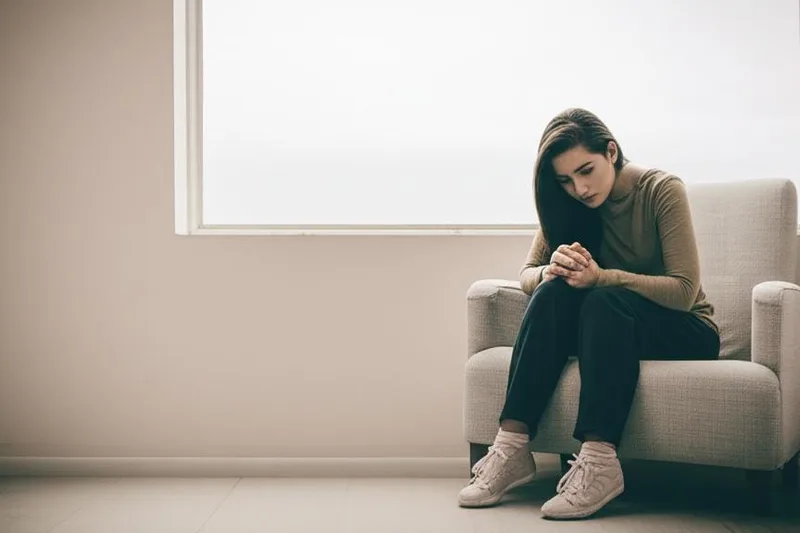
Does the weather make you less happy? Let's talk about Seasonal Affective Disorder (SAD)

Does the weather make you less happy? Let's talk about Seasonal Affective Disorder (SAD)

Do you sometimes feel down, bored, or sad, especially during the rainy, gloomy days? Do you feel like you're bored with everything? When the sun comes out and the weather gets nicer, that feeling fades away? Many people have had similar experiences. Today, we're going to talk about a mental disorder that occurs at certain times of the year. We call this seasonal affective disorder (SAD) .

What is seasonal affective disorder (SAD)?

Simply put, SAD is a type of depression that only occurs at the same time every year. It can affect your mood, thoughts, and behavior.

For many people, this condition begins during rainy, gloomy weather. When sunny, good weather arrives, these symptoms gradually subside. This condition is very common in countries where the winter season is severe. However, very rarely, some people can experience this type of depression even when the warm weather begins. We call it "Summer Depression".

Why is this happening? What are the reasons?

Although it is impossible to say exactly why this is the case, there are several main reasons that scientists believe.

The main reason is the lack of sunlight . Think about it, our brain has a chemical that controls feelings of happiness and calmness. This is called serotonin . When sunlight decreases, the production of this serotonin can decrease. That's when those feelings of sadness, boredom, and lifelessness come.

Also, as it gets darker, our bodies produce more of the sleep-inducing hormone melatonin . So this can make us feel sleepy and lethargic even during the day.

In countries like ours, where we have good sunlight all year round, this condition is less common than in Western countries. However, that does not mean that we do not develop it. Some people may experience these symptoms during periods of continuous rain and dark weather. This condition is quite common among women and young adults.

What are the symptoms of this condition?

A person with SAD exhibits many of the symptoms of general depression. However, these symptoms may vary slightly depending on the weather.

Symptoms that appear during winter/rainy season (Winter SAD) Symptoms that appear during summer/hot weather (Summer SAD)
Feeling sad and anxious most of the day Feeling constantly restless and irritable
Fatigue, feeling tired all the time Insomnia problems
Sleeping more than usual Anorexia and weight loss
Cravings for foods high in carbohydrates (starch), rice, bread, and sweets Aggressive behavior
Increased appetite and weight gain Agitation
A desire to be alone and away from society Loss of interest in things you used to enjoy

In any of these cases, if you have thoughts of harming yourself , it is a very serious situation. If you feel this way, it is essential to talk to someone you trust immediately and seek medical advice.

How do you know for sure if this is SAD?

If you have these symptoms, the best thing to do is to see your family doctor . He or she will ask you questions and, if necessary, perform a physical examination to make a diagnosis.

A doctor will usually pay attention to these things:

  • For the past two years, have you had these depressive symptoms at the same time each year, and did they go away by the end of that period?
  • Didn't you have these symptoms at other times?
  • Sometimes it can be confused with thyroid problems, low blood sugar (hypoglycemia), viral infections, or other mental illnesses. Therefore, the doctor may also do things like blood tests if necessary.

What are the treatments for this?

Fortunately, SAD is a manageable condition, and there are several treatment options.

Light Therapy

This is one of the most popular and effective treatments for SAD. It involves spending 15-30 minutes a day in front of a bright light similar to sunlight, coming from a specially designed lamp (Light Box/SAD Lamp). This light helps to balance the chemicals in our brain and reset our body's biological clock. Although these lamps can be purchased online, it is essential to ask your doctor if they are right for you and how long you should use them.

Psychotherapy

This involves identifying, managing, and confronting negative thoughts that come to your mind. We call this Cognitive Behavioral Therapy (CBT) . This can provide long-term relief.

Medication

In some cases, your doctor may prescribe antidepressants. These should only be used under the supervision and advice of a doctor.

What can you do to live with SAD?

In addition to treatment, there are many things you can do yourself.

  • Get outside every day: Even on a cloudy day, there is benefit in being outside. If it is difficult to go outside, stay near a window. Open the curtains on the windows of your home and let the light in.
  • Exercise: Do something like walking or running for at least 30 minutes a day. Exercise is a natural mood booster.
  • Eat a well-balanced diet: Even if you feel like eating starchy and sweet foods, eat more vegetables, fruits, and nutritious foods. This will give your body energy.
  • Connect with friends and family: Don't isolate yourself. Talk to someone you trust about what's on your mind. Social connections are very important for your mind.
  • Take care of your sleep: Try to go to bed and wake up at the same time every day.
  • Don't make big decisions: Avoid making big life decisions (like changing jobs) during stressful times.

Remember, this is not your fault. This is a treatable medical condition. So never be afraid to ask for help.

Take-Home Message

  • Seasonal affective disorder (SAD) is not just a 'feeling sad', it is a medical condition that requires treatment.
  • This is mainly related to weather changes, especially the decrease in sunlight.
  • If you feel sad, bored, or lifeless at the same time every year, talk to your doctor about it.
  • There are effective treatments such as light therapy, medication, and psychotherapy.
  • Lifestyle changes such as exercising, eating well, and being social go a long way in controlling this condition.

Seasonal Affective Disorder, SAD, mental health, depression, sadness, boredom, light therapy

⚠️ Important: The medical articles and information on Nirogi Lanka are for general awareness only, and are by no means a substitute for professional medical advice, diagnosis, or treatment. For any medical problem you have, consult a qualified physician immediately.

💬 Comments (0)

No comments yet. Be the first to share your thoughts here.

Add Your Comment

Please calculate: 3 + 9 =
Does the weather make you less happy? Let's talk about Seasonal Affective Disorder (SAD)

Does the weather make you less happy? Let's talk about Seasonal Affective Disorder (SAD)

Do you sometimes feel down, bored, or sad, especially during the rainy, gloomy days? Do you feel like you're bored with everything? When the sun comes out and the weather gets nicer, that feeling fades away? Many people have had similar experiences. Today, we're going to talk about a mental disorder that occurs at certain times of the year. We call this seasonal affective disorder (SAD) .

What is seasonal affective disorder (SAD)?

Simply put, SAD is a type of depression that only occurs at the same time every year. It can affect your mood, thoughts, and behavior.

For many people, this condition begins during rainy, gloomy weather. When sunny, good weather arrives, these symptoms gradually subside. This condition is very common in countries where the winter season is severe. However, very rarely, some people can experience this type of depression even when the warm weather begins. We call it "Summer Depression".

Why is this happening? What are the reasons?

Although it is impossible to say exactly why this is the case, there are several main reasons that scientists believe.

The main reason is the lack of sunlight . Think about it, our brain has a chemical that controls feelings of happiness and calmness. This is called serotonin . When sunlight decreases, the production of this serotonin can decrease. That's when those feelings of sadness, boredom, and lifelessness come.

Also, as it gets darker, our bodies produce more of the sleep-inducing hormone melatonin . So this can make us feel sleepy and lethargic even during the day.

In countries like ours, where we have good sunlight all year round, this condition is less common than in Western countries. However, that does not mean that we do not develop it. Some people may experience these symptoms during periods of continuous rain and dark weather. This condition is quite common among women and young adults.

What are the symptoms of this condition?

A person with SAD exhibits many of the symptoms of general depression. However, these symptoms may vary slightly depending on the weather.

Symptoms that appear during winter/rainy season (Winter SAD) Symptoms that appear during summer/hot weather (Summer SAD)
Feeling sad and anxious most of the day Feeling constantly restless and irritable
Fatigue, feeling tired all the time Insomnia problems
Sleeping more than usual Anorexia and weight loss
Cravings for foods high in carbohydrates (starch), rice, bread, and sweets Aggressive behavior
Increased appetite and weight gain Agitation
A desire to be alone and away from society Loss of interest in things you used to enjoy

In any of these cases, if you have thoughts of harming yourself , it is a very serious situation. If you feel this way, it is essential to talk to someone you trust immediately and seek medical advice.

How do you know for sure if this is SAD?

If you have these symptoms, the best thing to do is to see your family doctor . He or she will ask you questions and, if necessary, perform a physical examination to make a diagnosis.

A doctor will usually pay attention to these things:

  • For the past two years, have you had these depressive symptoms at the same time each year, and did they go away by the end of that period?
  • Didn't you have these symptoms at other times?
  • Sometimes it can be confused with thyroid problems, low blood sugar (hypoglycemia), viral infections, or other mental illnesses. Therefore, the doctor may also do things like blood tests if necessary.

What are the treatments for this?

Fortunately, SAD is a manageable condition, and there are several treatment options.

Light Therapy

This is one of the most popular and effective treatments for SAD. It involves spending 15-30 minutes a day in front of a bright light similar to sunlight, coming from a specially designed lamp (Light Box/SAD Lamp). This light helps to balance the chemicals in our brain and reset our body's biological clock. Although these lamps can be purchased online, it is essential to ask your doctor if they are right for you and how long you should use them.

Psychotherapy

This involves identifying, managing, and confronting negative thoughts that come to your mind. We call this Cognitive Behavioral Therapy (CBT) . This can provide long-term relief.

Medication

In some cases, your doctor may prescribe antidepressants. These should only be used under the supervision and advice of a doctor.

What can you do to live with SAD?

In addition to treatment, there are many things you can do yourself.

  • Get outside every day: Even on a cloudy day, there is benefit in being outside. If it is difficult to go outside, stay near a window. Open the curtains on the windows of your home and let the light in.
  • Exercise: Do something like walking or running for at least 30 minutes a day. Exercise is a natural mood booster.
  • Eat a well-balanced diet: Even if you feel like eating starchy and sweet foods, eat more vegetables, fruits, and nutritious foods. This will give your body energy.
  • Connect with friends and family: Don't isolate yourself. Talk to someone you trust about what's on your mind. Social connections are very important for your mind.
  • Take care of your sleep: Try to go to bed and wake up at the same time every day.
  • Don't make big decisions: Avoid making big life decisions (like changing jobs) during stressful times.

Remember, this is not your fault. This is a treatable medical condition. So never be afraid to ask for help.

Take-Home Message

  • Seasonal affective disorder (SAD) is not just a 'feeling sad', it is a medical condition that requires treatment.
  • This is mainly related to weather changes, especially the decrease in sunlight.
  • If you feel sad, bored, or lifeless at the same time every year, talk to your doctor about it.
  • There are effective treatments such as light therapy, medication, and psychotherapy.
  • Lifestyle changes such as exercising, eating well, and being social go a long way in controlling this condition.

Seasonal Affective Disorder, SAD, mental health, depression, sadness, boredom, light therapy

⚠️ Important: The medical articles and information on Nirogi Lanka are for general awareness only, and are by no means a substitute for professional medical advice, diagnosis, or treatment. For any medical problem you have, consult a qualified physician immediately.

💬 Comments (0)

No comments yet. Be the first to share your thoughts here.

Add Your Comment

Please calculate: 3 + 9 =