
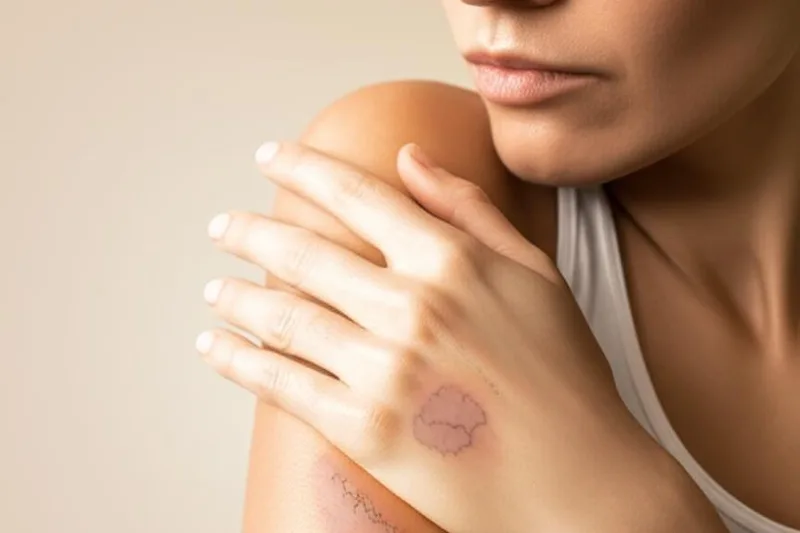
If you have diabetes, you need to think a little more about your blood sugar levels as well as your skin. Because diabetes is a condition that can cause various skin problems. But don't worry, by being aware of this in advance and seeing your doctor as soon as you notice any changes and getting treatment, you can control many of these things before they become big problems. So today, let's talk about these skin problems that are commonly seen with diabetes.
Skin conditions that can be caused by diabetes
Skin problems caused by diabetes vary. Some are directly related to diabetes, while others are associated with other complications caused by high blood sugar. Let's look at these one by one.
| Skin condition | Appearance and characteristics | Main things to do |
|---|---|---|
| Acanthosis Nigricans | Thickening of the skin, like velvet, in skin folds such as the neck, armpits, and groin, turning brown or black. A sign of insulin resistance that can occur even before diabetes. | Weight loss and blood sugar control. |
| Diabetic Dermopathy (Shin Spots) | Shiny, brown, round or oval spots on the front of the legs (shin area). Usually painless. | Treatment is usually not necessary, but blood sugar control is important. |
| Necrobiosis Lipoidica Diabeticorum (NLD) | Large, shiny, reddish-brown patches on the lower legs. May sometimes be ulcerated. | If the wound does not open, no treatment is necessary. If there is an injury, seek medical advice immediately. |
| Diabetic blisters (Bullosis Diabeticorum) | Blisters that look like they were burned on the hands, feet, and fingers. Usually not painful. | Control blood sugar levels. Blisters heal on their own. |
| Digital Sclerosis | The skin on the fingers and toes becomes thick and waxy. It becomes difficult to bend the joints of the fingers. | Controlling sugar levels. Using a moisturizer to soften the skin. |
| Eruptive Xanthomatosis | When blood sugar is not controlled, fats (triglycerides) in the blood can become too high, causing small, yellow, bone-like bumps to appear on the skin. These may have a red ring around them and may also be itchy. | Blood sugar and fat levels should be controlled immediately. Medical advice is essential. |
Problems caused by decreased blood circulation
Diabetes can damage blood vessels over time. We call this condition ``Atherosclerosis.`` Simply put, fat deposits inside the blood vessels, thickening the walls of the vessels and narrowing the passage of blood. This reduces the oxygen and nutrients that reach the skin.
Think about it, our skin needs a good blood supply to stay healthy. It's from the blood that the skin gets the white blood cells that fight infections. So when blood flow is reduced, even a small wound takes a long time to heal.
The changes that can occur as a result of this are:
- Hair loss on the legs.
- The skin, especially on the front of the legs, becomes thin and shiny .
- Toenails thicken and change color.
- Skin feels colder to the touch than other areas.
Diabetes and Infections
If a person with diabetes has uncontrolled high blood sugar levels, it's like a party for germs. So the risk of bacterial and fungal infections is much higher.
Bacterial Infections
People with diabetes are more likely to get infections caused by bacteria such as Staphylococcus, and they can be more serious.
- Boils: Painful boils caused by infection of the hair follicles.
- Eyelid Infections (Styes): Infection of the glands in the eyelids.
- Nail infections.
For bacterial infections like these, a doctor usually prescribes antibiotics in the form of pills or ointments.
Fungal Infections
Candida albicans, a type of yeast, is a major cause of skin infections in people with diabetes. This fungus thrives in areas where the skin folds (such as the armpits, groin, under the breasts, and between the toes) where there is a lot of moisture and warmth.
- Vaginal yeast infections: Common among women.
- Angular Cheilitis: Small blisters appear at the corners of the mouth.
- Athlete's foot: Redness, itching, and peeling of the skin, especially between the toes.
- Ringworm: Itchy red patches that spread in a ring-like pattern.
If you notice a fungal infection like this, be sure to see your doctor for an appropriate antifungal medication. Applying any over-the-counter creams can make the condition worse.
What can we do to prevent these skin problems?
The best thing to do is to prevent these problems before they occur. There are some simple, but very important things you can do to do that.
1. Sugar control is the most important thing: Follow your doctor's instructions for diet, exercise, and medication to keep your blood sugar levels within the recommended range. This is the number one safety measure.
2. Keep your skin clean and dry: Wash your body daily. But remember, you need to moisturize and dry the areas where the skin folds (armpits, groin, between the fingers) after washing.
3. Prevent dry skin: Dry skin can cause itching. Also, dry skin cracks easily, making it more susceptible to germs. Therefore, apply a good moisturizer that suits your skin type daily.
4. Check your skin daily: especially your feet. Check your legs, feet, and toes daily for any cuts, scrapes, blisters, redness, or other unusual changes. Using a mirror can help with this.
5. Treat wounds promptly: Clean any cuts or scrapes with soap and water. Seek medical attention immediately if the wound is large or does not heal.
6. Wear loose, comfortable clothing and shoes: Clothes made of fabrics like cotton that allow the skin to breathe are best. Also, wear shoes that do not constrict your feet and fit well.
Take-Home Message
- Skin problems are common in diabetes, but early detection and proper management can prevent serious conditions.
- Never ignore any new spot, bump, blister, wound, or discoloration on your skin.
- The best thing you can do to maintain healthy skin is to keep your blood sugar levels under control.
- Do not try to pop or treat blisters or sores yourself. This increases the risk of infection.
- If you have any doubts or concerns about your skin, never hesitate to talk to your doctor about it.




💬 Comments (0)
No comments yet. Be the first to share your thoughts here.
Add Your Comment